

Did you know the average American spends over $1,200 annually on home furnishings? That staggering figure highlights our constant quest for beautiful, functional spaces. Yet store-bought furniture often comes with premium price tags and limited customization options.
Building your own furniture offers a refreshing alternative. You gain complete control over design, materials, and budget. This approach lets you create pieces that perfectly match your existing decor and personal taste.
Our comprehensive guide provides step-by-step plans for versatile accent tables. Whether you prefer modern minimalism or rustic charm, you’ll find designs suited to your skill level. Each project includes clear instructions, material lists, and visual guides.
These creative endeavors transform any space in your dwelling. From living areas to bedrooms, you can build functional surface solutions that serve real purposes. The satisfaction of creating something with your own hands adds unique value to your home environment.
Key Takeaways
- Custom furniture building saves significant money compared to retail purchases
- Step-by-step plans accommodate all experience levels from beginner to advanced
- You control the design aesthetic to match your existing decor perfectly
- Material lists and visual guides ensure project success
- Functional pieces can be created for any area of your living space
- Professional finishing techniques give your creations a polished look
- Building your own furniture provides lasting satisfaction and pride
Overview of DIY Side Table Projects
Personalized home furnishings offer more than just functionality – they become expressions of your individual style. Each building endeavor provides a unique opportunity to create pieces that reflect your personality.
What to Expect from Each Project
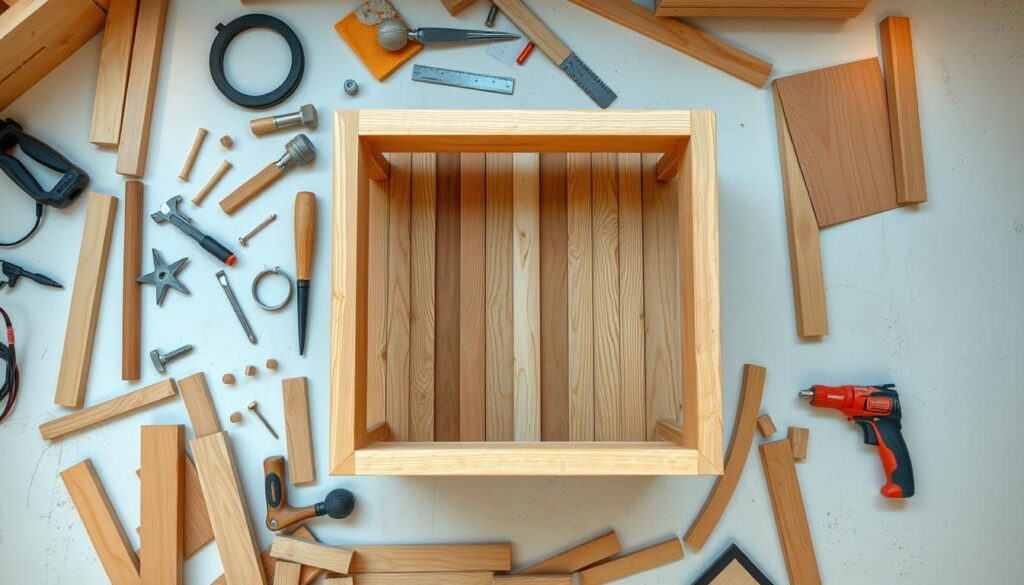
Every plan includes comprehensive guidance from start to finish. You’ll receive detailed photographs and diagrams that clarify each construction phase. Material lists specify exact quantities and dimensions to prevent mistakes.
The designs accommodate various skill levels with clear difficulty labels. Beginners can start with straightforward builds while experienced crafters tackle more complex creations. This flexibility allows you to modify dimensions and swap materials as needed.
Sources of Inspiration and Ideas
Your creative journey can draw from multiple sources. Repurposed items, natural materials, and industrial components offer unique starting points. Exploring different design philosophies helps develop your signature approach.
From Scandinavian simplicity to bohemian eclecticism, various aesthetics influence these builds. The creative process benefits from this diverse inspiration. You can transform ordinary objects into extraordinary functional pieces.
| Project Type | Skill Level | Key Features | Customization Options |
|---|---|---|---|
| Modern Minimalist | Beginner | Clean lines, simple construction | Color finishes, material swaps |
| Rustic Farmhouse | Intermediate | Distressed finishes, sturdy build | Wood stains, decorative elements |
| Industrial Chic | Advanced | Metal accents, mixed materials | Hardware choices, surface treatments |
| Repurposed Creative | All Levels | Unique foundations, eco-friendly | Base materials, decorative touches |
Choosing the Perfect Side Table for Every Room
Your choice of accent furniture significantly impacts the flow and utility of your home environment. These versatile pieces serve multiple functions across different areas of your dwelling.
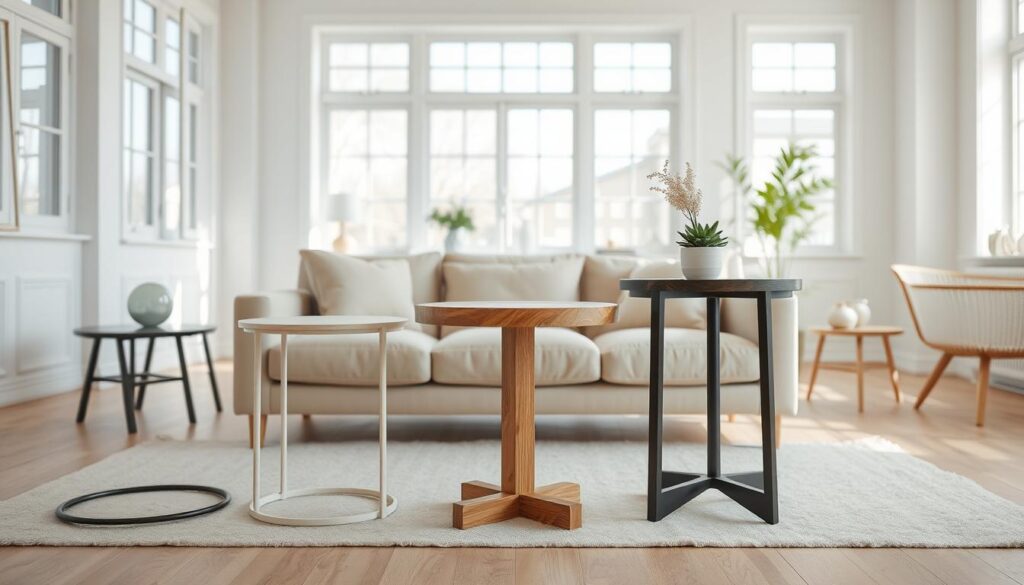
Consider the specific functions your surface solution will serve in each area. In the living room, accessibility for drinks and remotes takes priority. Bedroom surfaces focus more on lamp placement and storage needs.
Your available space directly influences size and footprint decisions. Compact areas benefit from narrow profiles or nesting designs that maximize floor area. Always measure adjacent furniture heights to ensure your new piece sits within two inches of sofa or chair arm height.
Traffic patterns affect placement decisions significantly. High-traffic zones require sturdy, stable designs while secluded spots can accommodate more delicate pieces. Your lifestyle habits also influence choices – households with children or pets benefit from rounded edges and durable finishes.
The existing color palette and design style of each room should guide your material selections. This ensures your new side table complements rather than clashes with surrounding decor. Consider how much surface area you truly need to avoid overwhelming small spaces.
Materials and Finishes for Stunning DIY Tables
Choosing the right combination of materials and finishes can transform a simple build into a stunning centerpiece. Your selections influence both visual appeal and practical functionality. The color and texture choices create harmony with your existing decor.
Working with Wood and Natural Elements
Wood serves as an excellent primary material for your diy project. You can select from pine, oak, cedar, or reclaimed lumber based on your budget and skill level. Each wood type offers distinct grain patterns and durability characteristics.
Natural elements like tree stumps or live-edge slabs add organic character. These materials bring outdoor textures into interior spaces. Proper surface preparation ensures professional results with your chosen paint or stain.
Incorporating Metal, Concrete, and Acrylic Accents
Combining contrasting materials creates visual interest in your design. Warm wood paired with cool metal achieves sophisticated contrast. Concrete elements add industrial edge while offering surprising durability.
Acrylic components introduce transparency and lightness to your creation. This material helps small spaces feel less cluttered. A protective top coat seals your finish and extends the lifespan of your table.
| Material Type | Key Characteristics | Skill Level | Finishing Options |
|---|---|---|---|
| Wood | Warm, natural, versatile | Beginner to Advanced | Stain, paint, varnish |
| Metal | Durable, industrial, modern | Intermediate | Powder coating, patina |
| Concrete | Heavy, textured, contemporary | Advanced | Sealers, wax, color additives |
| Acrylic | Light, transparent, floating effect | Intermediate | Polishing, edge finishing |
Your finished piece reflects careful material selection and finishing techniques. These choices ensure both beauty and longevity for your custom creation.
DIY Side Table Ideas: Creative Projects for Every Room
Discover how simple household items can become stunning functional accents for your living space. These projects showcase the incredible versatility of accessible materials.
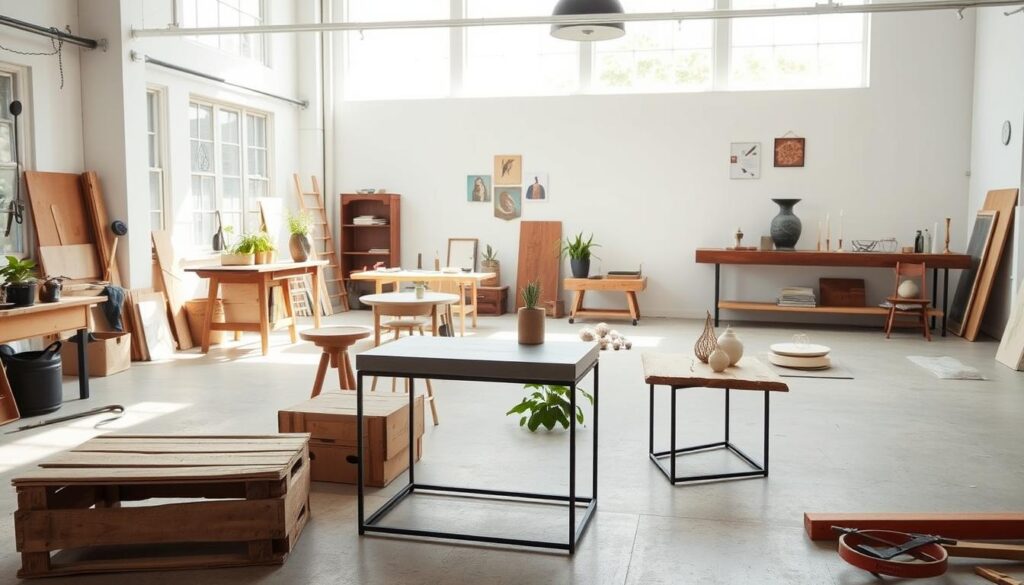
Transform a natural tree stump into a striking side table by adding geometric stud details. This approach blends organic textures with modern precision. Your chosen paint color creates a personalized finish.
IKEA furniture hacks offer instant customization opportunities. Adding legs to storage units converts them into versatile table solutions with built-in organization. This diy method maximizes functionality.
Copper pipes and stained wood create industrial-chic laptop stands. These materials assemble without complex tools. The result is a practical piece that complements contemporary decor.
Transparent acrylic combined with brass accents achieves sophisticated modern style. Old TV tray bases find new life as elegant side surfaces. This project demonstrates creative repurposing.
Space-saving designs include wooden sofa arm tables. These slide over armrests to provide surface area without floor space consumption. They’re perfect for compact living areas.
Budget-friendly options like concrete stools cost approximately fifteen dollars. Quick-setting materials and simple forms yield sturdy indoor-outdoor pieces. Vintage record stands celebrate music culture affordably.
Creative Repurposing Ideas for Unique Table Designs
Transforming unused household items into practical surface solutions offers both aesthetic appeal and sustainable benefits. This approach lets you create distinctive furniture pieces while reducing consumption and waste.
Transforming Ladders and Ottomans
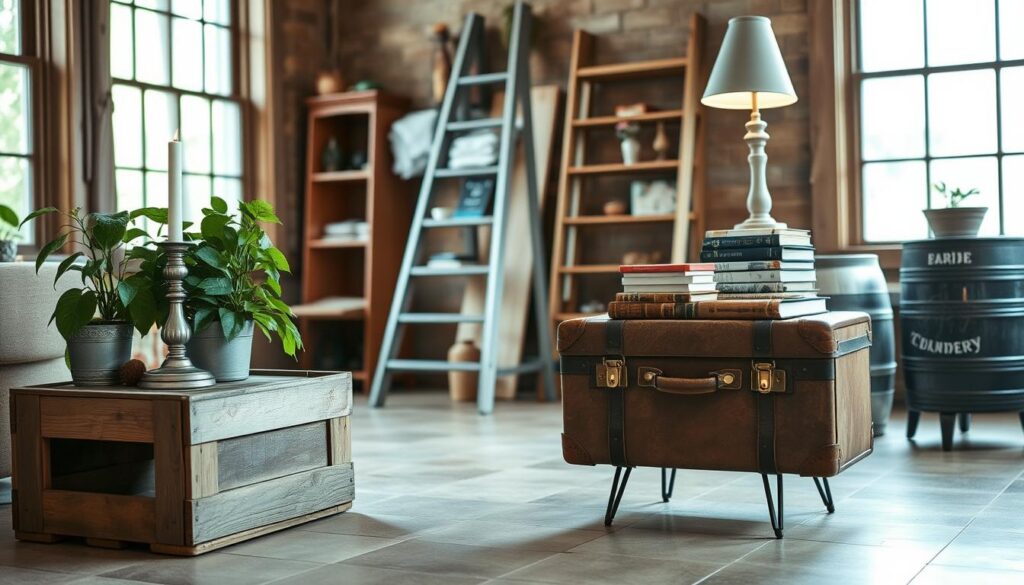
Your old ladder becomes a multi-functional side piece when positioned against a wall. The broad steps serve as shelving for books, plants, or decorative objects, creating vertical storage without floor space consumption.
An ottoman gains new purpose when topped with a sturdy tray. This versatile furniture item provides cushioned seating while offering stable surface area for drinks and essentials. The dual functionality maximizes your room’s utility.
Upcycling Baskets and Stools
Repurposed baskets create unique storage solutions with textural interest. You can invert them to use the flat bottom as a table surface or place material slabs across the top opening. Both methods yield distinctive decorative pieces.
Vintage stools with solid seats make excellent side tables. Their open bases allow for minimal decor display while providing stable surfaces. Bar carts repurposed as mobile units offer multi-tiered organization for various room needs.
These creative approaches extend product lifecycles while adding character to your interiors. Each repurposed piece tells a story and supports environmentally conscious decorating practices.
Step-by-Step DIY End Table Plans
Mastering the construction process begins with proper preparation and clear guidance. Your building endeavor becomes more manageable when you follow systematic instructions.
Essential Tools and Materials
Gather your essential equipment before starting. You’ll need a saw for cutting wood accurately. A drill helps create pilot holes and drive screws securely.
Your material list includes lumber for the frame and surface. Wood glue provides reinforcement for joints. Sandpaper ensures smooth edges on all components.
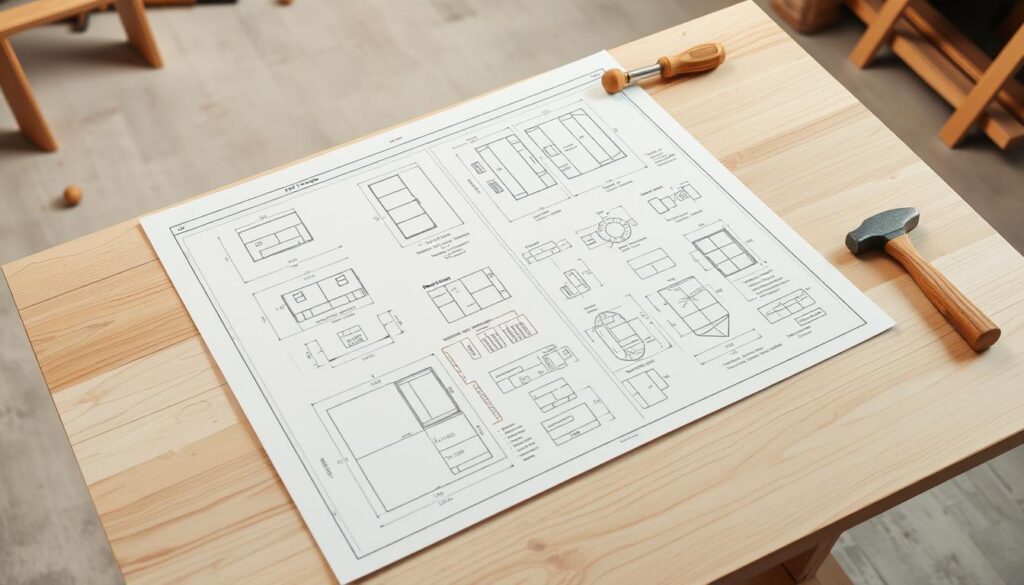
Clear Visual Guides and Diagrams
Visual references prevent errors during assembly. Diagrams show precise measurements and joint locations. They break complex construction into manageable phases.
Follow each step methodically for professional results. Allow adequate drying time for adhesives. Your finished piece reflects the care invested in following plans accurately.
The legs you construct determine stability and style. Options range from simple straight cuts to tapered designs. Your table top construction involves selecting appropriately sized boards.
Styling Your DIY Side Tables with Modern Flair
Modern interior styling emphasizes the relationship between your carefully crafted tables and the surrounding living environment. The right arrangement transforms functional pieces into cohesive design elements that enhance your entire space.
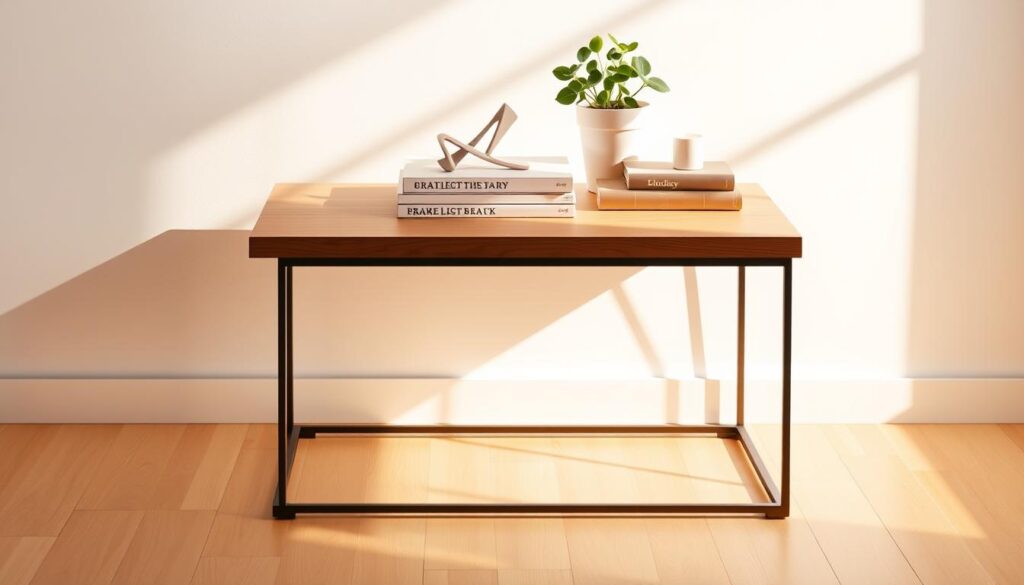
Embracing Minimalist Decor
You achieve minimalist style by carefully selecting items for your table surface. Limit displays to essential pieces like a single lamp or small plant. This approach creates visual breathing room and highlights each object’s significance.
Your living room design benefits when tables complement surrounding furniture. Use neutral colors and simple lines that support the overall aesthetic. Consider scale and proportion to ensure objects relate appropriately to the table size.
The modern look prioritizes clean geometry and functional beauty. Negative space becomes a design element itself. Lighting choices dramatically affect ambiance while serving as sculptural focal points.
Create cohesive living spaces by repeating materials or colors throughout the room. Your styling should reflect actual space usage, keeping frequently needed items accessible. This thoughtful approach results in both beautiful and practical environments.
Functional and Stylish Bar Carts as Side Tables
The versatility of a bar cart extends far beyond its traditional role, offering dynamic solutions for modern living spaces. You can transform this mobile piece into a highly functional accent that serves multiple purposes throughout your home.
Multi-Purpose Features and Uses
Your bar cart becomes a dedicated coffee station with space for a machine and supplies. It also functions perfectly as a mobile workstation or a stylish plant stand.
The open shelves provide excellent storage without making a room feel crowded. You can easily roll it to wherever you need an extra table surface.
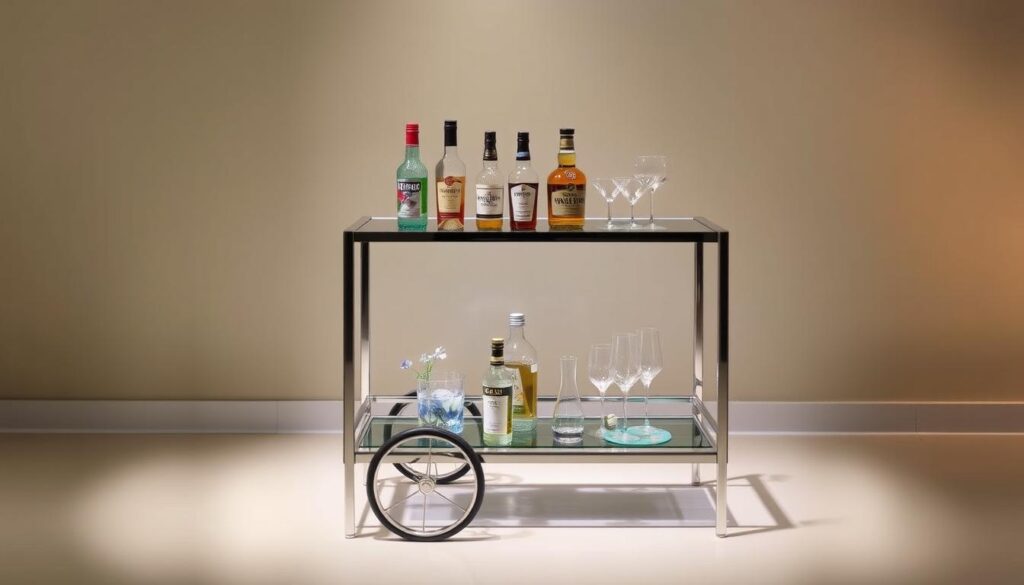
This mobility lets you reconfigure your space instantly. Use it beside a sofa for entertaining or next to a desk for home office organization.
Design Tips for Home Bars and Workspaces
When selecting a cart, prioritize sturdy wheels with locks for stability. This ensures safe use as a stationary side table when parked.
For a home bar setup, use the top shelf for glassware and bottles. Lower tiers can hold cocktail books or decorative accessories.
In a workspace, the cart holds a laptop and supplies. Its sleek design keeps your space organized and visually appealing.
Incorporating Innovative Storage Solutions
The most practical furniture solutions combine surface functionality with hidden organizational capabilities. Your storage needs determine which approach works best for each room in your home.
Living areas benefit from magazine racks or media compartments in your side table. Bedroom surfaces require space for books and charging cables. Each space has unique organizational requirements.
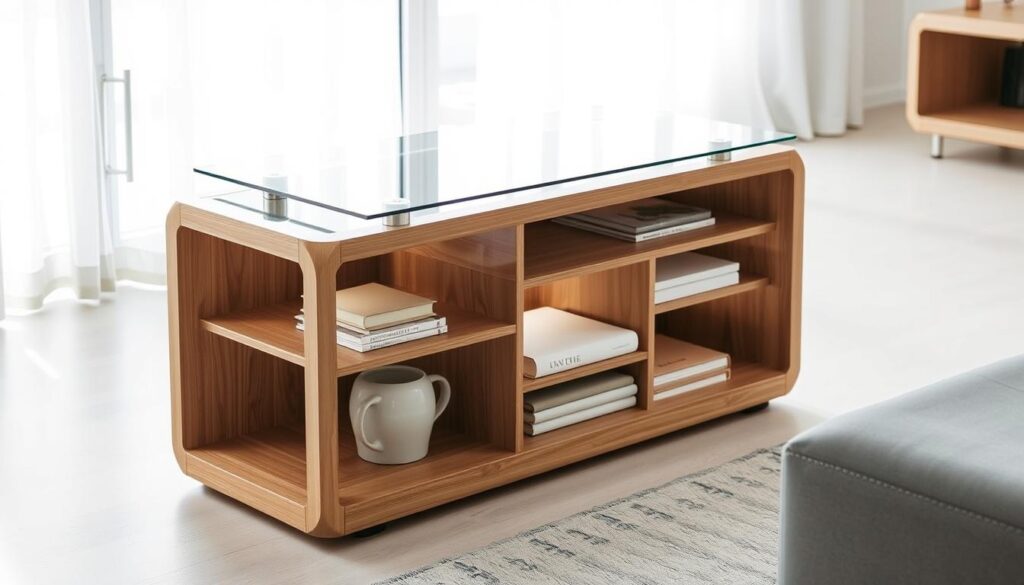
The IKEA shelving hack creates abundant storage within your furniture footprint. Middle cubby areas organize baskets and decorative boxes that conceal clutter effectively. This design approach maximizes limited square footage.
Vertical shelving using ladder-style designs provides multiple surfaces at different heights. This accommodates items of various sizes while consuming minimal floor area. Basket-based solutions offer concealed storage within their structure.
Plan storage features during your initial design phase rather than adding them later. This ensures proper structural support for shelves and adequate clearances. Headboard storage completely reimagines bedroom organization by incorporating table functionality directly into the bed frame.
Customizing Finishes with Color and Textures
Color and texture application represents the most personal phase of your furniture building journey. Your strategic paint selection can transform basic materials into stunning focal points. Choose bold hues for statement pieces or subtle tones that blend with existing decor.
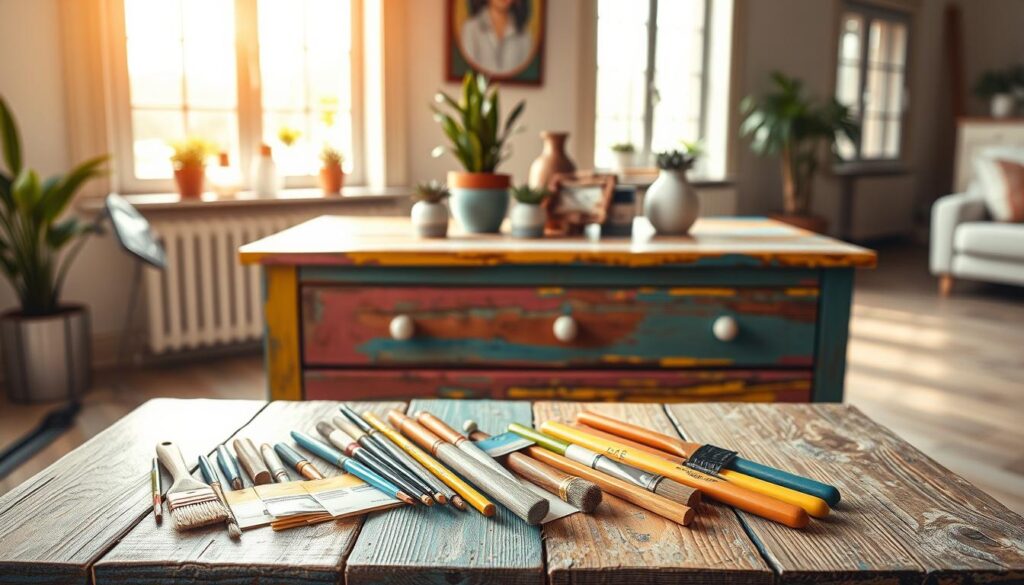
Proper surface preparation determines your finish quality. Thorough cleaning, sanding, and priming create smooth surfaces that accept color evenly. This foundation prevents chipping and ensures professional results.
Apply multiple thin paint coats rather than single thick applications. Allow adequate drying time between layers. Light sanding between coats creates the smoothest finish for your custom piece.
Consider both current trends and timeless appeal when selecting colors. Balance contemporary style with longevity to prevent your creation from appearing dated. Textural contrast adds sophisticated depth through combinations like smooth painted surfaces with natural wood grain.
Enhance your design with decorative elements like studs or hand-painted patterns. These details reflect your artistic sensibilities. Complete your project with protective top coats that seal the finish and resist daily wear.
Modern Home Decor Trends with DIY Creativity
Today’s most compelling home environments showcase how eco-friendly materials and mixed textures create distinctive character. Your approach to interior design now reflects deeper values beyond mere aesthetics.
Current trends emphasize thoughtful consumption and personal expression. This evolution transforms how we view our living spaces.
Emphasis on Sustainability and Eco-Friendly Materials
Your furniture choices now carry environmental significance. Reclaimed wood and recycled materials gain value through their history and reduced ecological impact.
This sustainable approach has remained relevant for years. It demonstrates that quality craftsmanship matters more than mass production.
Mixing Textures and Contrasting Colors
Successful contemporary interiors blend smooth surfaces with rough textures. Matte finishes contrast with glossy accents to create visual depth.
Your color combinations should reflect personal style while achieving balance. The way you layer different materials creates a cohesive look.
These design principles ensure your creations remain stylish for years. They prove that authentic character matters in creating meaningful living environments.
Conclusion
The confidence gained from completing your first build opens doors to increasingly ambitious home improvement endeavors. Your skills grow with each project, preparing you for more complex furniture creations throughout your home.
You now understand how material selection matters greatly for each piece. Whether choosing wood, concrete, or brass accents, your choices create unique combinations that store options cannot match. The perfect table for your living room differs from bedroom needs, considering lamp placement and storage requirements.
Store-bought alternatives pale beside custom creations that reflect your personal style. Building your own side table offers both creative satisfaction and functional utility. The way forward involves selecting a project that matches your skill level and beginning the rewarding process.
Each completed piece builds your confidence while adding beautiful, functional furniture to your space. Your living environment transforms as you incorporate pieces with perfect proportions and custom shelving. This journey empowers you to create exactly what your home needs.