
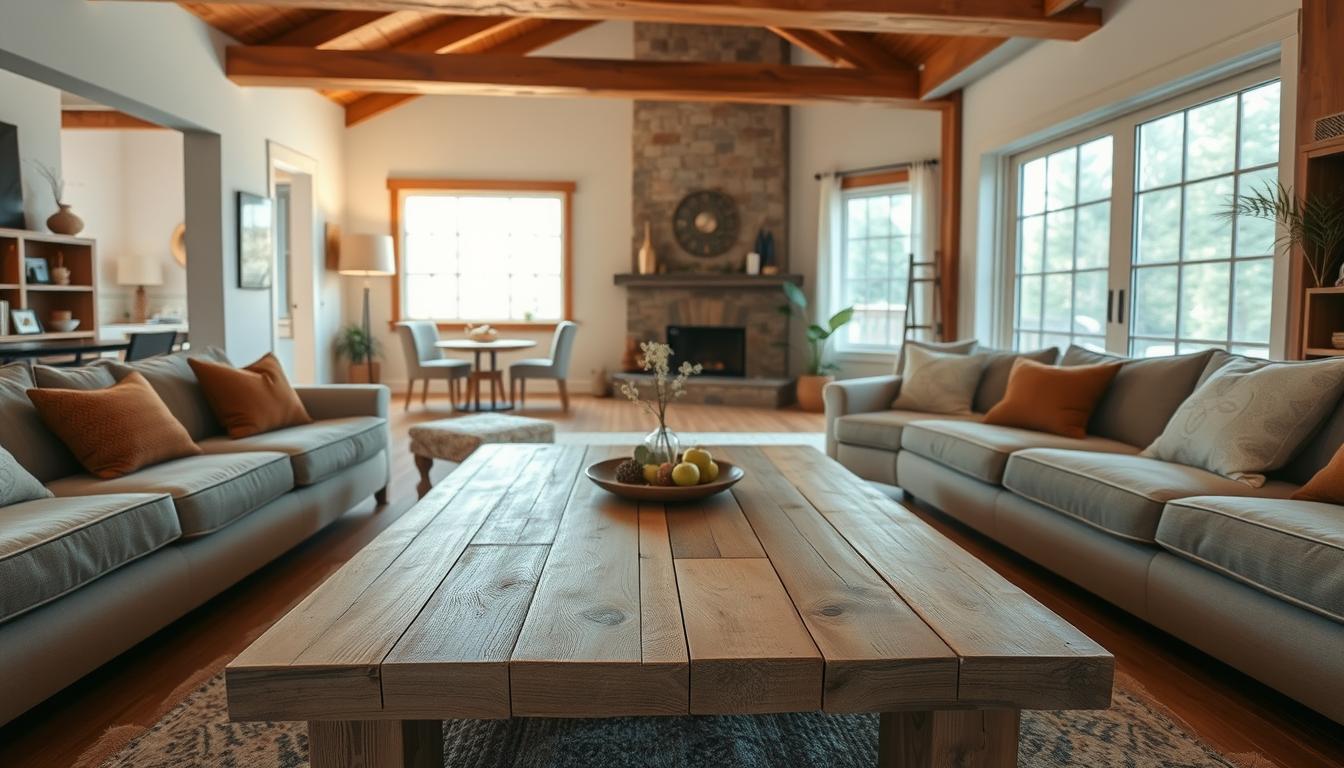
Did you know the average American spends over $1,200 annually on home furnishings? That’s a significant investment for pieces that might not perfectly fit your space or style. Building your own furniture offers a smarter alternative that puts you in complete control.
Creating a custom centerpiece for your living area provides both practical benefits and personal satisfaction. You gain the ability to design a piece that matches your exact dimensions and aesthetic preferences. This approach transforms a basic functional item into a statement piece that reflects your craftsmanship.
The financial advantages are substantial too. While store-bought options can cost hundreds more, building your own coffee table typically requires only basic materials. You can achieve professional results with minimal investment while creating exactly what your room needs.
This guide will show you how to create a stunning focal point that combines storage, style, and functionality. You’ll learn to build a piece that serves as both a practical surface and a conversation starter in your home.
Key Takeaways
- Building your own furniture saves significant money compared to retail prices
- Custom creation ensures perfect fit for your specific room dimensions
- DIY projects allow complete control over materials and design elements
- Handcrafted pieces become unique focal points that showcase personal style
- Additional storage solutions can be incorporated into the design
- Woodworking skills develop through practical, rewarding projects
- Finished pieces add both functionality and aesthetic value to your space
Introduction to DIY Coffee Table Projects
Custom furniture creation offers a unique blend of practical benefits and personal satisfaction that store-bought options simply can’t match. This approach lets you design pieces that perfectly fit your space while developing valuable woodworking skills.
Why Build Your Own Coffee Table?
Creating your own centerpiece demonstrates craftsmanship while saving substantial money. Retail furniture often costs hundreds more than materials for a custom build.
Personalization becomes your greatest advantage. You design exactly what you need rather than settling for pieces that don’t fit your style. The final result becomes a genuine conversation starter in your home.

Setting Your Project Goals
Begin by determining the appropriate size for your room. Consider how the furniture fits your lifestyle and daily patterns.
Select a design style that complements your existing interior. Establish a realistic budget based on your available resources.
Think about storage needs for items like remotes and blankets. Take time gathering ideas before starting construction to avoid rushed decisions.
Choosing the Right Materials and Tools
The quality of your finished piece hinges directly on your choices of wood and equipment. Proper selection ensures both construction efficiency and long-term durability.
Investing in the right implements from the start prevents frustration during assembly. It also guarantees professional-looking results that withstand daily use.
Essential Tools for the Job
You will need several key tools to build a sturdy coffee table. A table saw helps rip boards to consistent widths. A miter saw creates precise crosscuts for perfect joints.
For assembly, a drill and pocket hole jig create strong, hidden connections. An orbital sander delivers the smooth surface essential for quality finishing.

Material Selection: Wood, Stains, and Finishes
Your wood choice affects both appearance and durability. Pine boards offer affordability but show wear more easily. Hardwoods like oak or walnut provide superior resistance to dents.
For the tabletop, consider removing curved edges from boards. This creates seamless joints between pieces. The result is a professional, custom appearance.
| Wood Type | Durability | Cost | Best For |
|---|---|---|---|
| Pine | Medium | Low | Budget projects |
| Oak | High | Medium | Frequent use |
| Walnut | Very High | High | Premium finishes |
Stain selection dramatically influences your final look. Products like Dark Half from The Real Milk Paint Co. combine dark tung oil with citrus solvent. This creates a matte, food-safe finish that enhances wood grain.
Planning Your DIY Large Coffee Table Projects for Spacious Living Rooms
The success of your custom furniture piece begins long before you make the first cut, with careful consideration of your room’s layout. This planning phase ensures your creation enhances both function and flow in your home.
Measuring Your Living Space
Start by measuring the available area between your sofa and other furniture. Leave adequate walking space around the piece. This maintains comfortable traffic patterns.
Standard height falls between 16 and 18 inches. This range works well with most seating. Common dimensions include 43.5 inches long by 33 inches wide.

Plan the tabletop overhang carefully. It should extend 1 to 1.25 inches from the legs. This creates visual balance and structural integrity.
Design Considerations and Style Choices
Your design should complement the room’s existing aesthetic. Consider rustic farmhouse, modern minimalist, or industrial looks. The style must feel cohesive.
Dimensions can vary based on your needs. Compact 36×24-inch options suit smaller areas. Larger 28×54-inch surfaces work well in open spaces.
Your final choice should reflect both personal taste and practical requirements. This ensures the piece becomes a cherished part of your home.
Step-by-Step Construction Process
Your construction journey transforms raw materials into a functional centerpiece through precise assembly steps. This phase bridges your planning with tangible results.
The building sequence follows logical progression from foundation to finished surface. Each step builds upon the previous one for solid results.
Building the Table Frame
Begin by cutting your 2×4 boards to size for the frame. Accurate measurements ensure all pieces fit together properly. Use your pocket hole jig to create strong connection points.
Assemble the frame using 2.5-inch screws for maximum stability. The base structure must support the entire weight of your finished piece. Proper frame construction prevents wobbling and ensures longevity.
Assembling the Tabletop
Prepare your tabletop boards by cutting them to the desired width. For a seamless appearance, consider removing curved edges from 2×10 boards. This creates a professional look for your surface.
Connect the boards using pocket holes spaced approximately every 12 inches. Place holes on both sides of each seam for balanced strength. Use 2-inch screws to join the tabletop pieces together.
Utilizing Pocket Hole Joinery
This joinery method creates hidden connections that maintain clean lines. The technique allows screws to enter at angles for superior holding power. Your pocket hole joints remain invisible in the final product.
Sand the completed tabletop before attaching it to the base. This separate sanding process ensures smooth results across the entire surface. Finally, secure the tabletop to the frame with angled screws.
The overhang should extend 1 to 1.25 inches beyond the legs. This detail creates visual balance while providing structural support. Your construction process yields a sturdy, attractive piece ready for finishing.
Finishing Techniques: Staining and Sanding
Proper finishing techniques can elevate your handmade piece from basic to professional quality. The final steps determine both the visual appeal and durability of your work.

Achieving a Smooth, Matte Finish
Begin by using an orbital sander to smooth all surfaces. Pay special attention to areas where boards meet and any rough edges. This creates a uniform surface across the entire top.
Apply Dark Half oil stain with an old rag, rubbing it into the wood. Allow it to penetrate for about 10 minutes before wiping off excess. The rich color develops beautifully with this method.
| Staining Step | Time Required | Result |
|---|---|---|
| First Coat Application | 10 minutes + drying | Initial color saturation |
| Second Coat | Several hours later | Deeper color penetration |
| Optional Hand Sanding | After stain dries | Glass-like smoothness |
| Final Light Coat | About one week later | Matte, protected surface |
Tips for a Long-Lasting Surface
Repeat the staining process after the first coat dries. This ensures the wood absorbs sufficient oil for proper protection. Your efforts will result in a durable finish.
For an exceptional feel, hand sand with 320-grit sandpaper after the stain dries. This optional step creates an almost glass-like texture. You may apply another light coat of oil stain afterward.
About a week later, apply a final light coat so thin that wiping excess isn’t necessary. The matte finish is water-resistant and allows easy touch-ups of any scratches with more oil.
Incorporating Storage and Functionality
Transform your furniture from merely decorative to genuinely functional with integrated storage solutions. These features help maintain organization while keeping essential items conveniently accessible.
Your design can include various storage methods that suit your specific needs. Simple lower shelves between legs offer easy access for magazines and decorative pieces. This approach maintains visual appeal while adding practical utility.
Adding Hidden Compartments
Consider building a flip-top mechanism for concealed storage within the tabletop itself. This innovative feature creates hidden space perfect for remotes, books, and small blankets. The compartment helps minimize living room clutter effectively.
For substantial hidden storage, increase the height to approximately 24 inches instead of standard dimensions. The extra interior space accommodates larger items while maintaining proportional aesthetics.
| Storage Type | Best For | Complexity Level |
|---|---|---|
| Lower Shelf | Magazines, decorative items | Beginner |
| Flip-Top Compartment | Remotes, books, blankets | Intermediate |
| Custom Dividers | Board games, puzzles | Advanced |
| Modular Design | Bedding, seasonal items | Expert |
Your storage solutions can include custom compartments sized for specific belongings. Create dividers for board game pieces or puzzle storage. Modular designs provide space for guest bedding and extra pillows.
These functional additions integrate seamlessly into various design styles from farmhouse to modern. Your finished piece becomes both an organizational asset and aesthetic centerpiece.
Customization and Decor Ideas for Your Living Room
Personalizing your handmade centerpiece offers endless opportunities to make it uniquely yours through thoughtful design choices. This final stage transforms your functional piece into a signature element that enhances your entire space.
Mixing Styles to Complement Your Interior
You can blend different design aesthetics to create a versatile look. Consider combining rustic traditional features with clean contemporary lines. This approach creates a modern farmhouse style that works well in various settings.
Your options include minimalist designs with timeless appeal or industrial looks featuring X-leg constructions. Classic styles with curved edges soften the overall appearance. Each choice should harmonize with your existing interior decor.
Creative Finishing Touches
Explore unique finishing techniques to add character to your piece. Staining in custom colors or painting to match your decor palette creates cohesive results. Artistic elements like tile mosaics provide distinctive visual interest.
Consider sophisticated contrasts such as pairing a natural wood surface with a black base. Diamond-shaped wood patterns create dimensional effects that draw attention. These creative ideas elevate your furniture from basic to exceptional.
Your placement should account for the relationship with your sofa and other furnishings. Warm wall colors can enhance the ambiance, making your custom piece stand out as a focal point in the room.
Budgeting and Cost Considerations
Understanding material costs before you begin ensures your project stays within budget. Proper financial planning makes your furniture construction both affordable and rewarding.
Understanding Material Costs
Based on 2023 pricing in Mid-Coast Maine, a 28×54 inch piece requires approximately $233.88 in materials. The legs represent your largest investment at around $150. This cost provides distinctive aesthetic appeal and sturdy support.
Lumber costs remain relatively affordable. Two 2x4x8 boards for the frame cost about $5.96. Four 2x10x8 boards for the top total approximately $67.92.
Your total expense may be lower if you already own essential tools. Detailed plans from sources like Etsy range from $2.99 to $24.98. These prevent costly mistakes during construction.
The DIY approach saves substantial money compared to retail furniture. Similar quality pieces often cost hundreds more. Your custom creation offers both financial savings and personal satisfaction.
Remember to account for finishing materials in your budget. Products like Dark Half oil stain work across multiple projects. This reduces your per-project costs over time.
Conclusion
The final result of your woodworking efforts becomes a testament to your growing skills and personal style. Your handcrafted centerpiece offers significant financial savings while providing complete control over dimensions and aesthetic choices.
Through careful construction using pocket hole joinery and proper finishing techniques, you’ve created a professional-quality item. The durable finish resists damage and allows easy maintenance over years of use. Your investment of time pays lasting dividends.
Customization options let you incorporate storage solutions that fit your lifestyle. The finished piece becomes more than furniture—it’s a conversation starter that showcases your craftsmanship. This project builds confidence for future creative endeavors.
Your successful completion demonstrates that with proper planning and quality materials, anyone can transform their living space. The skills gained open doors to additional home improvement projects that personalize your environment.