
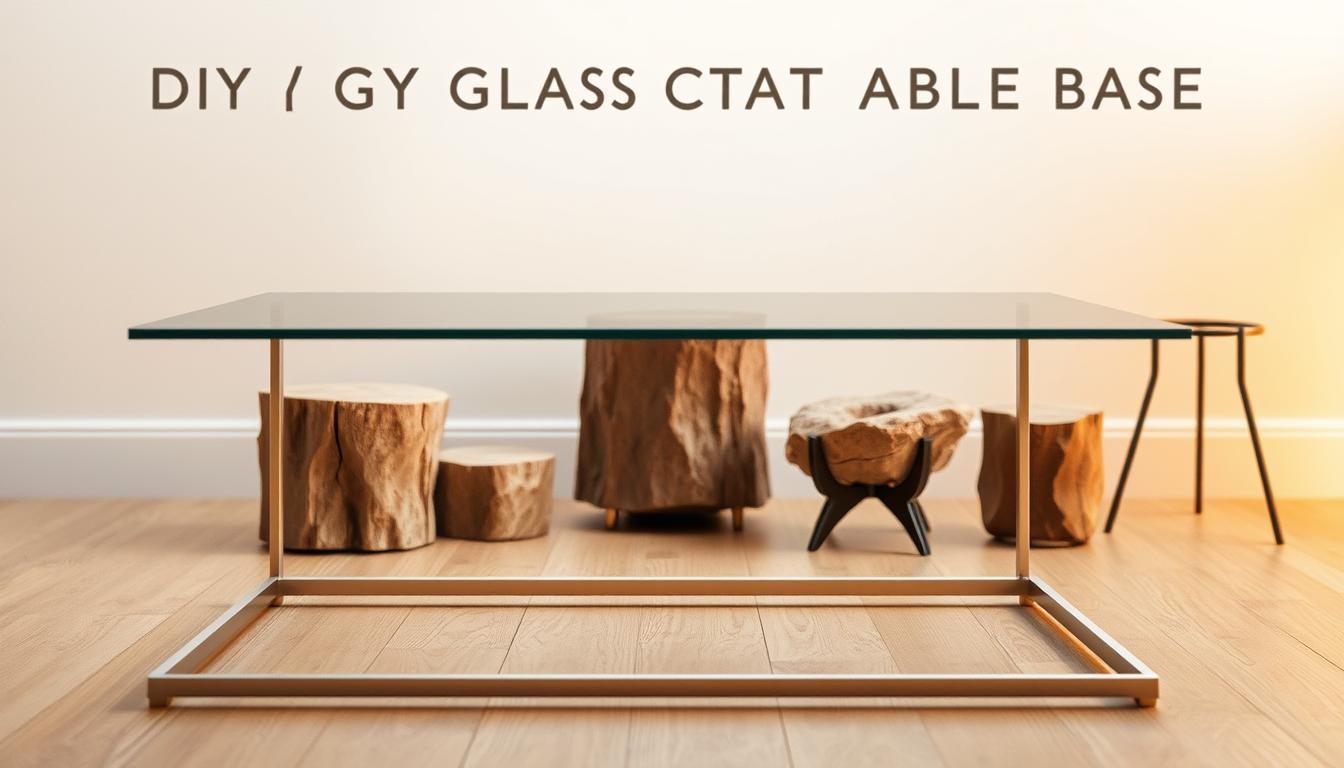
Surprising fact: more than 60% of homeowners say a clear top makes a small living room feel twice as open, letting sculptural supports become the real focal point.
You can pair a clear surface with driftwood, metal, or stone to highlight texture without crowding sightlines. Driftwood brings rustic, nautical charm that varies by species and weathering. Metal options like aluminum and stainless add lightweight or industrial strength with finishes from brushed to blackened.
Stone and concrete lend sculptural weight while pedestal styles work best with 3/8″–1/2″ thick tops. If kids or pets share the room, choose tempered glass and safer edge polishes such as beveled or pencil to reduce chips and sharpness.
In this guide you’ll get a clear roadmap to match material, thickness, and finish to your interior style and safety needs so the base shines and the space stays open.
Key Takeaways
- Use clear tops to showcase sculptural bases and keep sightlines open.
- Match thickness (3/8″–1/2″) and tempered safety to your household traffic.
- Choose materials by style and durability: driftwood, aluminum, steel, or stone.
- Edge finishes affect both look and safety; pick beveled or pencil for busy rooms.
- Consider weight, finish, and recyclability when selecting metal supports.
Start Here: How to Choose a Coffee Table Base for a Glass Top
Begin with measurements: measure your available footprint and preferred height so the center piece fits the room and leaves at least 18 inches of walkway around seating.
Match scale and style by picking a table base that reflects your living room aesthetic—rustic, modern, or glam—so the top elevates rather than competes with your decor.

For stability on pedestal-style supports, aim for 3/8″–1/2″ thickness. Thinner glass can shift when weight is applied, while thicker pieces resist tipping and feel solid in daily use.
Safety matters: choose tempered glass in family rooms and high-traffic areas for its shatter resistance. Annealed glass can be used in lower-risk zones but lacks the same safety benefit.
Quick selection checklist
- Match top size to the base to avoid excessive overhang that reduces stability.
- Choose edge work—flat, pencil, or beveled—based on look and perimeter feel.
- Use protective bumpers to prevent slipping and micro-scratches while keeping the join clean.
- Consider finishes that suit daily use—powder-coated metal hides marks; natural materials patina over time.
DIY Glass Coffee Table Base Ideas: Creative Supports For Glass Tops
Your choice of support sets the tone: organic trunks create warmth while metal frames deliver crisp minimalism.
Natural vs. minimalist: driftwood and stump wood bring irregular, sculptural forms that shine beneath a clear surface. Aluminum frames and X-shaped steel keep the top visually light and fit modern interiors.

Budget and tools matter. Carving or sanding wood needs saws and sanders. Simple metal frames often require only basic fasteners and a drill. Reclaimed barrels or machine parts can cut costs while adding character.
“Start simple: secure bumpers, test level, and confirm overhang limits before final placement.”
- Choose open frames to preserve sightlines in tight spaces.
- Pick heavier stone or cast bases when you want the piece to anchor a seating group.
- Use bumpers on irregular tops to protect the surface and stop micro-movement.
| Support Type | Look | Tools Needed | Typical Cost |
|---|---|---|---|
| Driftwood / Stump | Organic, warm | Saw, sander, sealant | Low–Medium |
| Aluminum / Steel Frame | Minimal, sleek | Drill, fasteners, welder (advanced) | Medium |
| Stone / Concrete | Sculptural, heavy | Carving tools or cast forms | Medium–High |
Plan your assembly steps, pick finishes early, and match the top shape to the support. That way, your project fits your skill level and complements your home interior.
Natural Materials That Shine Under Glass Tops
Natural materials bring tactile warmth under a clear surface and let sculptural wood forms take center stage. You can use driftwood, logs, or woven fibers to add character without closing off the room.
Driftwood bases for organic, nautical charm
Driftwood varies in shape, size, and color because of water and weather exposure. A clear glass table top preserves those knots and twists while keeping the look light.
Stabilize irregular pieces by creating flat contact points and adding clear bumpers so the top sits level and secure.

Tree stump or log pedestals for rustic warmth
Single-stump pedestals make a strong, rustic accent in your living space. Flatten and seal the contact surface to prevent moisture transfer to the glass.
Use 3/8″–1/2″ thick glass over compact pedestals to reduce tipping risk during everyday use of a coffee table.
Rattan and wicker bases for contemporary-rustic texture
Rattan and wicker add a tactile touch that works both indoors and on sheltered patios. Sizing can be tricky, so buy a premade base and order a custom-cut table top for a precise fit.
Keep proportions in mind: round tops soften chunky logs, while oval shapes ease traffic flow in tight spaces.
“Choose lighter-toned wood and open weaves in small rooms to keep the space airy.”
Sourcing tip: pick sustainably harvested wood and seal surfaces to resist stains and humidity. Pair natural fibers with light textiles and plants to amplify a biophilic feel without crowding the room.
Metal Bases for Strength, Durability, and Sleek Design
Metal frames turn a clear surface into a refined centerpiece while giving you long-lasting support. Pick the right material and geometry and your base will balance weight, style, and day-to-day use.

Aluminum options: lightweight and rust-resistant
Aluminum is light yet strong. It resists corrosion and comes in disc, tripod, X, and trumpet forms to suit round, square, or rectangular glass table tops.
Steel and stainless: industrial strength and sustainability
Choose steel when you need heavy-duty support across larger spans. Powder-coated, brushed, or blackened finishes hide marks and boost durability.
Stainless steel adds a polished, contemporary feel and is fully recyclable—good if you care about eco-friendly material choices.
Iron, brass, and gold-look legs for style
Iron pairs well with clear tops for a mid-century vibe. Brass or gold finishes deliver glam and sculptural appeal that a base glass surface highlights.
- Match geometry to the top: X-bases center weight under square and round shapes.
- Verify flat contact points and use clear bumpers to prevent abrasion.
- Pick softened profiles and pencil-polished edges in homes with kids.
Stone, Marble, and Concrete Bases That Ground Your Space
Natural and cast materials anchor a seating area with sculptural weight and long-lasting texture.
Marble, granite, and limestone offer a timeless, high-elegance statement that looks striking under a clear surface. A glass tabletop reveals veining and patterning, turning the support into a visual pedestal.
Tempered glass is best in active homes for added safety, though annealed options can work in low-traffic rooms. On pedestal-style supports, use 3/8″–1/2″ thickness to reduce tipping risk.
Concrete lends an urban, architectural edge. Cast tapered forms keep mass centered and stable. If you cast your own, build a rigid mold, vibrate to reduce bubbles, and embed felt pads where the top will sit.
- Limit overhangs with heavy stone to lower leverage forces.
- Seal stone and concrete to resist stains and keep contrast crisp beneath the clear top.
- Use furniture sliders to protect floors and allow micro-adjustments during setup.
| Material | Look | Stability Tip |
|---|---|---|
| Marble / Granite | Elegant, veined | Use tempered glass; keep overhang small |
| Limestone | Soft, warm texture | Seal surface; add felt contact pads |
| Cast Concrete | Industrial, sculptural | Taper form; vibrate mold; embed pads |
Repurposed and Upcycled Base Ideas That Look High-End
An old oak barrel or a found machine part can anchor your seating area with honest craftsmanship. These pieces bring texture and story without feeling fussy.
Barrel with cork detail: turn an oak barrel into a standout table base by hot-gluing wine corks to the top surface before placing clear glass table tops. Use clear bumpers to keep the top stable and to prevent scratches on curved contact points.

Industrial and reclaimed components
Gears, flywheels, and engine blocks read as bespoke pieces when cleaned and sealed. Refinish metal parts and add felt or rubber pads to protect floors and the tabletop.
Classic white pedestals that read modern
A painted white pedestal brightens a small home and keeps the area airy. Limit overhangs and use 3/8″–1/2″ tempered glass to reduce tipping on single-pedestal designs.
“Match contact points and confirm alignment from every angle so the final look feels intentional.”
| Repurpose Type | Look | Practical Tip |
|---|---|---|
| Oak barrel + cork | Warm, story-driven | Use clear bumpers; seal cork layer |
| Machine parts | Industrial, high-end | Refinish; add felt pads |
| White pedestal | Minimal, airy | Choose tempered glass; limit overhang |
Acrylic and Mixed-Material Concepts for an Open, Airy Look
Clear acrylic frames vanish visually, letting surrounding furnishings and light define the room. That quality makes them ideal when you want a minimal visual footprint in a small space.
Acrylic frames pair beautifully with a glass table top to preserve sightlines and highlight nearby decor. Use clear bumpers at contact points to prevent scratches and keep the surface looking pristine.
Acrylic frames that disappear beneath the glass
Acrylic is lightweight and nearly invisible, so it increases the sense of openness. It does scratch more easily than metal, so protect edges and avoid abrasive cleaners.
Wood-and-metal hybrids for balanced aesthetics and function
Combine aluminum or steel legs with a wooden shelf to add warmth without bulk. The metal gives strength; the wood adds texture and storage for remotes and books.
- Favor simple geometry—C-shapes, Parsons forms, or sled bases—to keep the look refined.
- Choose rounded corners on the top in tight areas to improve traffic flow.
- Repeat wood and metal tones elsewhere in the interior to unify the overall design.
| Concept | Best use | Care tip |
|---|---|---|
| Acrylic frame + glass table top | Small rooms; visual openness | Use clear bumpers; avoid abrasive cleaners |
| Metal frame + wood shelf | Warmth with function; storage | Match metal finish to lighting; seal wood |
| Slim metal legs + rounded top | Tight traffic zones; modern look | Limit overhang; use felt pads |
Sizing, Safety, and Stability: Glass Top to Base Best Practices
Prioritize contact area so the top sits confidently on its support. Match the table top footprint to the base so overhang looks balanced and does not reduce contact that prevents tipping.
How to size tops for balanced overhang
Keep overhang modest. Excessive overhang cuts the contact area and increases leverage. When in doubt, reduce size or increase the base footprint.
Thickness tips: why 3/8″–1/2″ is recommended on pedestals
Aim for 3/8″–1/2″ thickness on pedestal-style supports. This range resists point loads and lowers tipping risk during daily use of a coffee table.
Tempered vs. annealed: safety in active rooms
Choose tempered glass in family areas and busy pathways for added safety. Use annealed only in low-risk spots where impact is unlikely.
- Use clear bumpers at all contact points to prevent slipping and spread loads evenly.
- Verify the base is level and shim discreetly to avoid stress on the glass tabletop.
- Match edge work to use: pencil polish is kinder in homes with kids; beveled edges add shine.
- For multi-piece bases, ensure all contact points sit on the same plane to stop rocking.
| Issue | Quick fix | Benefit |
|---|---|---|
| Excess overhang | Reduce top or widen base | Improved stability |
| Uneven support | Shim or adjust contact pads | Prevents stress and cracks |
| High-traffic safety | Upgrade to tempered glass | Enhanced shard resistance |
Styling Your Glass Coffee Table: Finishes, Edges, and Color Accents
Fine finishes and edge profiles transform a clear surface into a curated focal point that ties a seating area together. Choose details that match your room’s overall style so the piece feels intentional and balanced.
Edge work options
Edge polish changes both feel and safety. Choose flat polish for a crisp, modern outline.
Pencil polish rounds the perimeter and offers a softer touch. Beveled edges add light-catching detail and a refined look.
For a single pedestal, pick glass thickness that suits load and use. Low-profile bumpers keep the top secure and level.
Metal finishes, wood tones, and stone colorways
Coordinate metal tones—brass for glam, brushed stainless for sleek modernity, or matte black for contrast. Match adjacent wood in shelves or seating so the table top reads integrated, not isolated.
Let marble veining and stone hues guide your textiles and accessories. In open plans, echo a finish in the dining area to unify the interior.
- Pair beveled edges with brass for a glam design; flat polish with blackened steel for minimal spaces.
- Keep trays and books low and varied in texture so the glass remains the hero.
- Clean with a microfiber cloth and non-ammonia cleaner to preserve clarity without streaks.
| Feature | Best use | Visual effect |
|---|---|---|
| Flat polish | Modern, minimal tops | Crisp, clean edge |
| Pencil polish | Homes with kids; softer touch | Rounded, subtle |
| Beveled edge | Glam or traditional settings | Reflective, detailed |
Conclusion
When proportion and finish align, a transparent surface reads as a refined extension of your interior. Choose a dominant material—metal, wood, or stone—and echo it in nearby furnishings so your piece feels intentional.
Metal options like aluminum, steel, and stainless give crisp lines and long life, while natural choices bring warmth and texture to the living room. Repurposed picks such as barrels or machine parts add character and lower material waste.
Keep safety front and center: use tempered glass and 3/8″–1/2″ thickness on pedestals, fit clear bumpers, and verify edge work and overhang before regular use. With careful proportioning and the right table base, your glass table can be both functional and gallery-ready.