
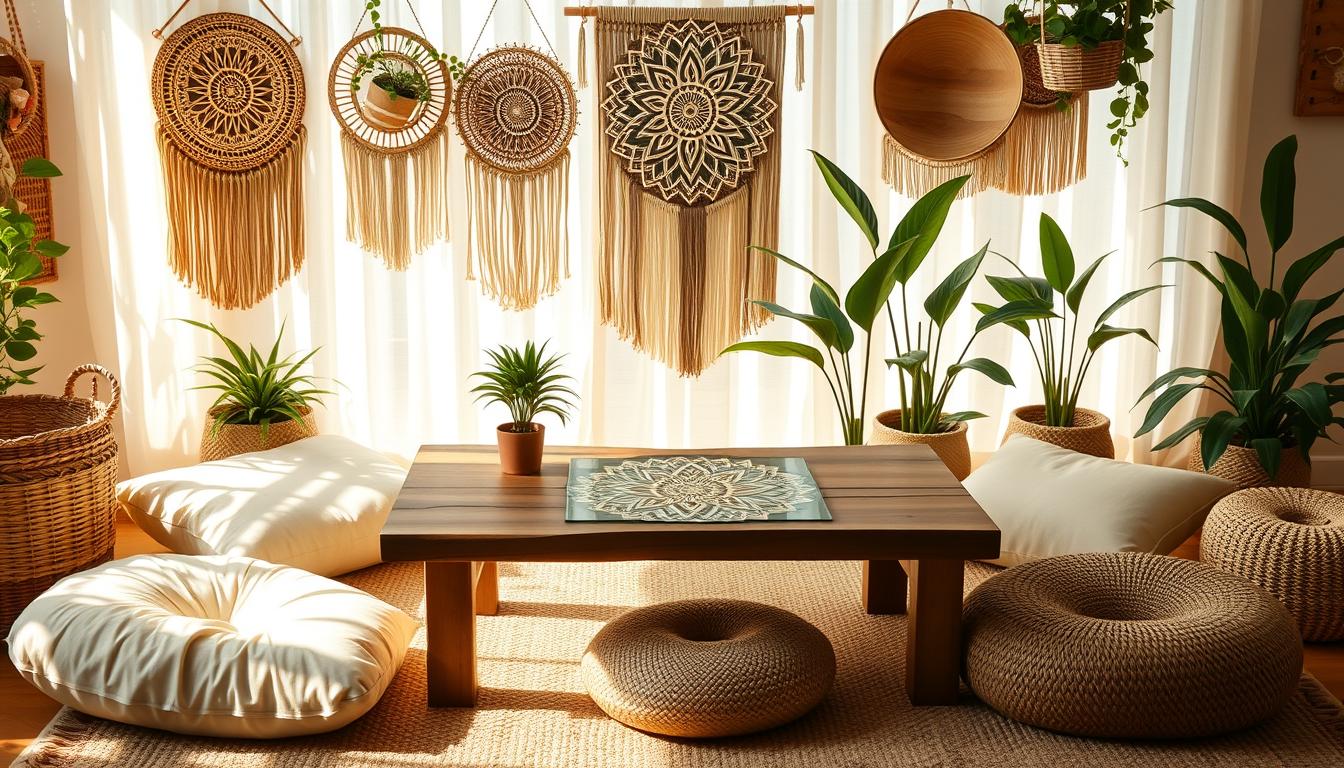
Did you know that the average household spends over $1,500 on living room furniture? Your central surface doesn’t have to be a major expense. You can craft a piece that is uniquely yours.
Creating your own centerpiece is a powerful form of personal expression. This approach to home styling connects your creativity directly to your environment. You build something that truly reflects your spirit.
These projects often blend natural elements with organic shapes. The result is a functional item with significant artistic flair. It supports a free-spirited lifestyle and enhances your room’s entire aesthetic.
Building your own furniture offers clear advantages. It is highly cost-effective and provides complete customization. You gain the deep satisfaction of creating a one-of-a-kind item that fits your area perfectly.
A well-crafted piece serves two key roles. It is a practical surface for daily life. It also acts as a foundational statement that anchors your room’s eclectic, comfortable vibe.
This guide will walk you through the entire process. We cover design inspiration, material choices, and clear project steps. You will learn how to style the perfect addition to your home.
Key Takeaways
- Creating your own furniture is a powerful way to express your personal style and save money.
- Using natural materials and organic shapes is key to achieving an artistic, free-spirited look.
- A custom-built piece ensures a perfect fit for your room’s dimensions and your aesthetic preferences.
- Your handmade table will function as both a daily-use surface and a central decorative statement.
- This guide provides a complete roadmap from initial inspiration to the final styling touches.
Introduction to Boho Living and DIY Design Essentials
At the heart of this design approach lies a celebration of individuality and comfort in your personal environment. The bohemian philosophy prioritizes authenticity above all else, creating areas that feel deeply personal yet welcoming. Your space becomes a reflection of your unique journey and values.
Natural elements form the foundation of this aesthetic. Wood, rattan, wicker, cotton, and linen work together to establish a warm, organic base for your room. These materials bring texture and life to your home, connecting you to nature’s beauty.
Modern interpretations embrace a “less is more” philosophy. This approach focuses on purposeful pieces rather than excessive decoration. Each item in your environment should carry meaning and contribute to the overall harmony.
Handcrafted elements provide the authentic texture that mass-produced items cannot replicate. When you undertake a DIY project, you create a tangible connection to craftsmanship. Embracing slight imperfections becomes part of the charm, making each piece truly one-of-a-kind.
Your creative projects allow you to infuse personal expression throughout your living area. This hands-on approach stays true to the free-spirited, eclectic nature of the style. You build furniture that perfectly matches both your aesthetic preferences and practical needs.
Design Inspiration for a Relaxed Living Space
The selection of hues dramatically influences the overall mood and character of your personal sanctuary. Establishing the right foundation ensures your environment feels both intentional and inviting.

Embracing Earth-Toned Palettes
Earth-inspired shades form the core of this aesthetic approach. Think terracotta, olive green, rust, and sand tones. These muted colors create a calm, welcoming atmosphere in your room.
Natural pigments provide the perfect backdrop for your furniture project. They allow organic materials and textures to shine without visual competition. Rich, saturated tones enhance the desired feel better than bright, garish alternatives.
Creating a Cozy Ambience
Thoughtful color selection builds warmth and depth throughout your living space. Layer warm neutrals as your base. Then add strategic pops of accent colors that reflect your personal style.
Your centerpiece’s finish can anchor the entire room’s palette. Choose stains or paints that complement your existing decor. This creates a cohesive, grounded environment that feels both comfortable and inspiring.
Embracing Organic Shapes & Textures
Curved lines and organic shapes bring a sense of harmony to any room. They reflect a free-spirited mindset that rejects rigid structures. This approach embraces natural imperfections found in handcrafted pieces.
Fluid forms create visual interest and soften your space’s overall look. Rounded corners and asymmetrical designs add character to your furniture. These elements make your living room feel more inviting.
Incorporating Curved and Fluid Lines
Varied textures add depth and personality to your pieces. Contrast rough-hewn wood with smooth, polished finishes. This tactile appeal creates a rich sensory experience.
Consider these organic shape options for your project:
| Shape Type | Examples | Visual Effect |
|---|---|---|
| Rounded Forms | Live-edge wood slabs, oval tops | Softens room edges |
| Irregular Bases | Natural branch legs, sculptural forms | Adds artistic flair |
| Fluid Lines | Curved contours, wave-like patterns | Creates movement |
These shapes complement other boho elements like rounded ottomans and flowing textiles. They help create a cohesive design scheme throughout your living room.
Avoid overly geometric designs that feel stiff or corporate. Instead, choose pieces that feel relaxed and natural. This better reflects the bohemian aesthetic you’re aiming for.
For your project, select wood with interesting grain patterns. Use creative cutting techniques to enhance natural curves. Repurposing naturally shaped materials can also achieve this organic look.
Choosing the Right Materials and Components
The quality of your finished piece depends heavily on the raw materials you choose to work with. Selecting components that align with your vision ensures both structural integrity and aesthetic appeal.
Wood, Rattan, and Natural Elements
Wood serves as the primary structural element due to its versatility and durability. Consider reclaimed lumber for character or sustainably harvested hardwoods for longevity.
Rattan and wicker elements add organic texture to your design. These natural fibers can function as woven inserts or decorative accents.
Explore these material options for your project:
| Material Type | Best Uses | Character Traits |
|---|---|---|
| Reclaimed Wood | Tabletop surfaces, legs | Weathered patina, history |
| Rattan/Wicker | Shelves, decorative panels | Lightweight, textured |
| Live-edge Slabs | Statement tabletops | Organic shapes, natural beauty |
| Stone Accents | Inlays, base details | Earthiness, durability |
Mixing Patterns and Textural Contrasts
Layering different textures creates visual depth in your design. Combine smooth finished surfaces with rough natural elements for interest.

Textural contrasts prevent your piece from appearing flat. Consider matte finishes alongside subtle sheens for balanced appeal.
Select materials that are both beautiful and practical. Ensure they suit your lifestyle and maintenance preferences for long-term satisfaction.
Step-by-Step DIY Coffee Table Projects
Starting your creative journey doesn’t require advanced skills, just a willingness to learn basic techniques. These accessible projects help you build confidence while creating beautiful, functional pieces.
Simple Project Ideas for Beginners
Stack wooden crates for an instant rustic table. Repurpose a vintage trunk for storage and style. Use hairpin legs with a simple wood slab for modern appeal.
Transform a basic pallet into a mobile piece with caster wheels. Sand it smooth and apply a natural stain. This creates a charming addition to your living area.
A round wood slice on simple legs makes an organic focal point. Live-edge slabs mounted on metal bases offer striking visual interest. Both options require minimal construction skills.
Essential Tools and Supplies
Gather measuring tape, a saw, drill, sandpaper, wood glue, and screws. These basic items handle most beginner projects effectively.
Add decorative hardware or woven inserts for extra character. Natural rope wrapped around legs enhances the boho aesthetic. Stencils help apply patterns to your table surface.
Always prioritize safety with sturdy construction. Your finished piece should be both beautiful and functional for daily use in your space.
Boho DIY Coffee Table Designs for a Relaxed Living Space
Transform your gathering space with creative furniture that tells a story. These eight distinctive concepts blend artistic expression with practical function.

The Rustic Live-Edge piece celebrates natural wood with organic edges. Simple hairpin legs let the raw material shine. This creates a striking focal point.
Moroccan-inspired designs feature intricate metalwork on folding trays. They offer portable elegance with exotic patterns. Your surface gains global character.
Woven rattan tops bring tropical texture to any arrangement. Lightweight frames support these airy creations. They add visual interest without heaviness.
Reclaimed wood options showcase eco-friendly charm. Salvaged pallets become chunky surfaces with visible history. Each piece tells its own story.
Macramé accents provide handcrafted detail on simple wooden bases. Artisanal touches elevate basic structures. This adds personalized texture.
Drum-style creations draw from African traditions. Carved patterns serve as both seating and surface. They offer versatile functionality.
Multi-level nesting sets provide flexible arrangements. Varying heights create dynamic visual layers. Your layout gains adaptability.
Storage-integrated models combine style with organization. Open shelving or woven baskets keep essentials nearby. This maximizes utility.
Each concept adapts to your room’s specific needs. You can modify dimensions, finishes, and details. Your final piece will reflect personal taste while maintaining authentic character.
Balancing Functionality and Style in Your Living Room
Thoughtful arrangement of furnishings creates an environment that feels both stylish and comfortable. Your central piece should serve daily needs while enhancing the overall aesthetic of your space.
Proper scale ensures your creation enhances rather than dominates the room. Measure your seating area to determine the ideal dimensions. Consider traffic flow and surrounding furniture proportions.
Optimizing Layout for Comfort
The perfect height typically ranges from 16 to 18 inches. This aligns with most seating for comfortable access. Your surface should feel natural to reach from any position.
Position your piece to facilitate conversation among guests. Allow adequate walkway space around the arrangement. This creates an inviting flow throughout your living room.
Low-profile furniture contributes to a grounded, informal atmosphere. These choices make your space more inviting for lounging. They encourage the laid-back lifestyle central to this aesthetic.
Consider practical needs like surface area for drinks and books. Storage options can hide remote controls and magazines. Durable materials withstand daily use with family and guests.
Your arrangement should maintain an open, breathable quality. Integrate your piece into a broader furniture layout. This encourages relaxation and conversation in your living space.
Incorporating Rattan, Wicker, and Natural Elements
The natural world offers a rich palette of materials that can transform your home’s atmosphere. Woven fibers like rattan and wicker introduce organic texture and visual warmth. These elements are essential for creating an authentic and inviting space.

Sustainable and Artisan Choices
Consider using rattan in your project. Woven panels make beautiful lower shelves. You can also wrap legs with rattan for a textured look. An entire rattan tabletop on a wooden frame creates a stunning focal point.
These materials are not just stylish; they are practical. Rattan furniture is lightweight yet durable. This makes it easy to rearrange your space. You can maintain a casual and relaxed feel.
Choosing natural wicker and rattan supports eco-friendly values. These sustainable materials align with conscious living. Look for ethically sourced options to support artisan communities. This ensures quality craftsmanship for your unique pieces.
Your rattan creation will complement other natural decor. Think woven wall hangings, jute rugs, and bamboo blinds. This connection builds a cohesive aesthetic throughout your home.
Wicker baskets and planters can echo your table’s texture. This creates a harmonious look. For care, dust gently and avoid high humidity. Proper maintenance preserves the natural beauty of these wonderful materials.
Mixing Patterns and Colors for a Cozy Ambience
Pattern mixing is the cornerstone of creating a dynamic and personal atmosphere. This approach brings an exciting, eclectic feeling into your home through intentional layering.
Mastering this art involves combining geometric prints, tribal motifs, and organic designs. The key is to maintain a cohesive color palette to avoid visual clutter. Select accent pieces that share common tones with your central furniture’s finish.
Accent Pieces to Complete Your Look
Throw pillows are the easiest way to infuse varied patterns, colors, and textures. Mix suzani embroidery, Moroccan kilims, and batik prints for a curated, well-traveled aesthetic.
On your surface, use patterned runners or decorative trays. These accent items add visual interest without overwhelming the space. Woven coasters can also introduce subtle texture.
Balance is essential. Pair bold, statement-making patterns with quieter, neutral tones. This ensures your living room feels vibrant yet harmonious, not chaotic.
Textural variety creates depth alongside your pattern play. Combine smooth ceramics, nubby textiles, and natural wood. This makes the entire room more visually engaging and complete.
Enhancing Your Space with Artistic and Handmade Touches
Handcrafted details elevate your furniture from mere functional items to meaningful expressions of personal taste. These artistic elements create a tangible connection to craftsmanship throughout your home.
Curated Accessories and Unique Details
Selecting the right decorative pieces transforms your area from simple to sophisticated. Choose items that reflect your individual story rather than generic formulas.
Style your surface with carefully chosen accents. Handmade ceramic bowls and artisan-crafted candle holders create visual interest. Vintage books and unique sculptural objects add personality.
Incorporate global textiles around your central piece. Moroccan blankets draped over seating add warmth. Indian kanthas work beautifully as table runners.
Mix vintage finds with contemporary elements for an eclectic aesthetic. This layered approach prevents your space from feeling cluttered. It maintains a curated rather than collected look.
Support artisan makers when selecting your decor pieces. This ensures your home reflects ethical values alongside beautiful style. Your choices become meaningful contributions to craftsmanship.
Setting the Mood with Ambient Lighting & Rugs
The final layer of atmosphere in your space comes from thoughtful lighting and floor coverings. These elements work together to create a cohesive environment that feels both inviting and personal.
Layered Rugs for Warmth
Natural fiber rugs anchor your seating arrangement beautifully. They define the conversation area while adding textural warmth underfoot.
Layering creates visual depth in your room. Place a smaller patterned piece over a larger neutral foundation. This technique adds interest without overwhelming the space.
| Base Rug Type | Top Layer Style | Visual Effect |
|---|---|---|
| Jute or Sisal | Tribal Pattern | Organic contrast |
| Wool Neutral | Kilim Design | Cultural richness |
| Seagrass Plain | Geometric Print | Modern earthy |
Soft Lighting Options for a Relaxed Feel
Ambient lighting transforms your living area into a cozy retreat. Avoid harsh overhead fixtures that create sterile environments.
Choose floor lamps with woven shades for gentle illumination. Table lamps with linen covers cast warm pools of light. These options create intimate pockets perfect for relaxation.
Your lighting choices should complement the natural life of your space. The right combination makes your room feel welcoming day and night.
Designing with a Global and Artisan Influence
Worldwide craftsmanship offers endless inspiration for creating a personalized room aesthetic. Your interior design gains sophistication when you incorporate authentic cultural elements. These influences bring depth and meaning to your living space.
Handcrafted Accents from Around the World
Artisan traditions provide unique details for your furniture projects. Consider Moroccan metal trays as elegant table toppers. Turkish kilim fragments make beautiful drawer fronts.
African mudcloth patterns can be painted directly onto surfaces. Japanese joinery techniques add structural beauty. Each method brings authentic cultural references to your design.
Fusing Cultures with DIY Flair
Blending multiple influences requires careful balance. Maintain consistent color palettes and materials throughout your room. This creates cohesion despite the eclectic mix.
Your personal life experiences should guide these choices. Incorporate regional materials and travel mementos. This ensures your space reflects your unique journey.
| Cultural Influence | Design Element | Room Integration |
|---|---|---|
| Moroccan | Carved patterns | Table legs, surface details |
| Japanese | Minimalist joinery | Structural simplicity |
| Scandinavian | Clean lines | Modern boho fusion |
Nature-inspired motifs connect to global artisan traditions. Carved leaf patterns and branch-inspired legs celebrate organic beauty. These elements honor cultural craftsmanship while personalizing your space.
Always approach international influences with respect and appreciation. Your finished pieces will showcase global sophistication while remaining authentically yours.
Conclusion
Your journey into crafting personalized furniture culminates in a piece that truly reflects your spirit. This creative process combines natural wood and materials with artistic expression to transform your home.
Embrace organic shapes, earth-toned color palettes, and natural texture when designing your centerpiece. These elements create furniture that feels connected to nature and authentically boho in style.
Successful interior design balances functionality with aesthetic appeal. Your creation should serve practical needs while enhancing the room‘s relaxed atmosphere. Consider appropriate height and sufficient surface area for daily life.
Personalize your project by incorporating global influences and handcrafted accents. Use unique ideas that reflect your individual living experiences. The right piece becomes more than furniture—it anchors your living room.
Surround your creation with complementary elements like layered rugs, ambient lighting, and throw pillows. Style with plants, books, and decorative items for a collected-over-time look. This approach creates a cozy feel throughout your space.
The true beauty lies in infinite possibilities for expressing your unique vision. Begin your project with confidence, creating a beautiful, functional centerpiece for your personal sanctuary.