

Did you know that the average American spends over $1,500 on living room furniture each year? Yet, many store-bought pieces lack the unique character and perfect fit that a custom piece offers.
Your central piece of furniture in the lounge area is more than just a surface. It anchors the space and reflects your personal style. Creating your own allows for complete control over the design, size, and materials.
This approach is not only cost-effective but also deeply rewarding. You gain the satisfaction of building something with your own hands. The final product will be a perfect match for your home’s aesthetic and your functional needs.
Whether you are a seasoned crafter or just starting out, there is a project suited for you. This guide will help you begin your journey toward a more personalized and inspiring space.
Key Takeaways
- Creating your own furniture can save a significant amount of money compared to retail prices.
- A custom-built piece ensures a perfect fit for your available space and specific lifestyle.
- The process helps you develop practical woodworking and crafting skills for future endeavors.
- You have full control over the design, materials, and finish to match your unique taste.
- A handmade item adds personal character and becomes a point of pride in your home.
- Projects are available for all skill levels, from simple builds to more advanced designs.
Introduction to DIY Coffee Table Transformations
Building your own furniture offers more than just cost savings—it’s a form of self-expression. Many people discover that creating a custom piece brings immense satisfaction and practical advantages.
Overview of DIY Benefits
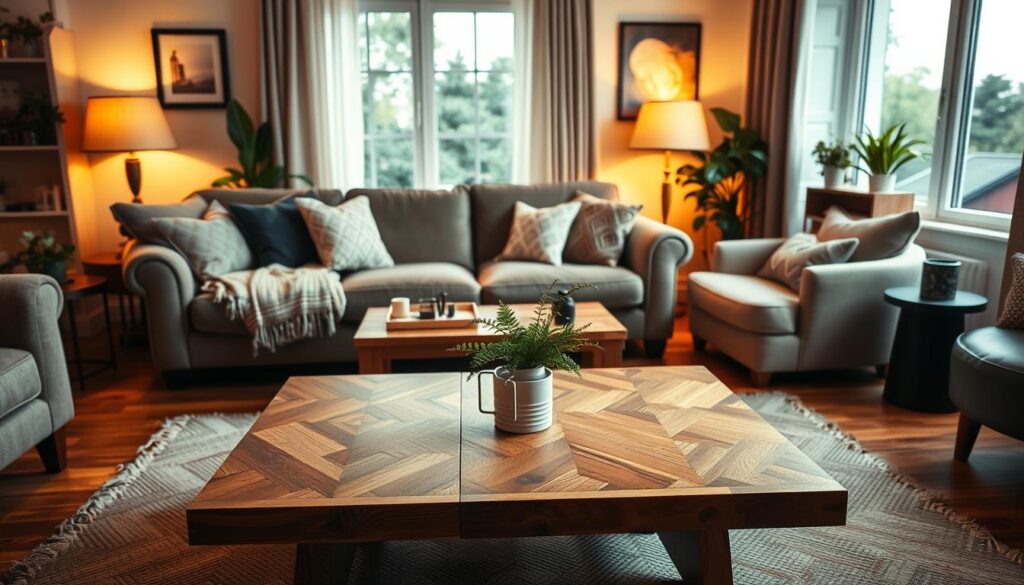
Creating your own centerpiece delivers significant financial benefits. You can achieve substantial savings while gaining complete control over materials and quality. The process also builds valuable skills that serve you in future home endeavors.
Working at your own pace allows for flexibility. Weekend projects fit easily into busy schedules. This hands-on approach teaches techniques like staining and finishing that have lasting value.
| Benefit Type | Financial Impact | Skill Development | Time Flexibility |
|---|---|---|---|
| Cost Savings | 50-75% less | Basic woodworking | Weekend projects |
| Material Control | Budget-friendly options | Finishing techniques | Evening work sessions |
| Quality Assurance | Custom quality | Problem-solving | Personal timeline |
Personalizing Your Living Room Aesthetic
Your space becomes uniquely yours through custom creation. Rather than settling for mass-produced items, you achieve perfect harmony with your existing decor. The result reflects your personal style and functional needs.
Creative expression flourishes when you experiment with different finishes and designs. Each choice adds character and meaning to your living area. The final piece stands as a testament to your vision and effort.
DIY Coffee Table Ideas to Transform Your Living Room
By focusing on distinctive styles and methods, you elevate a simple piece of furniture into a work of art. This approach allows for a high degree of personalization.
Embracing Unique Styles and Techniques
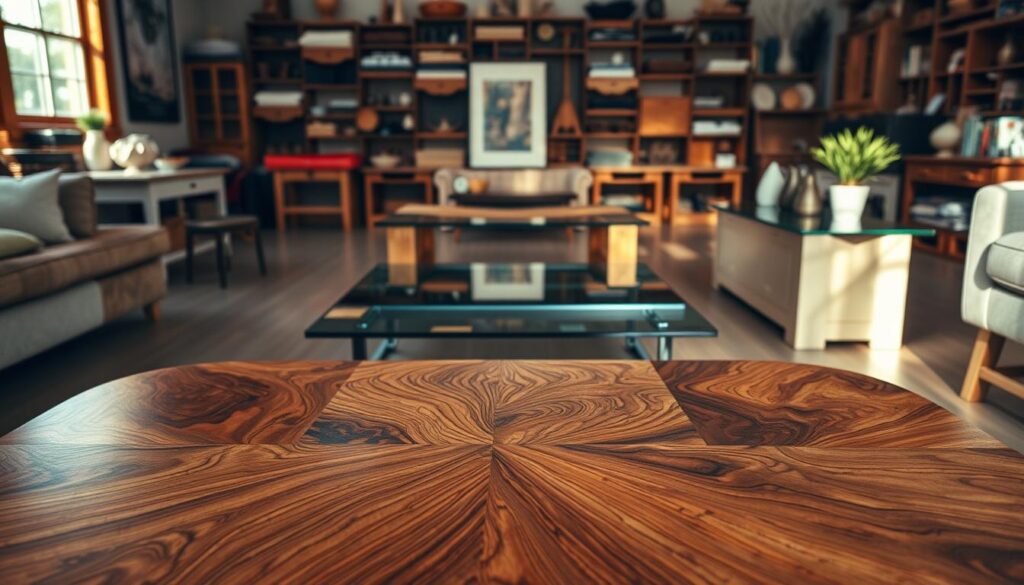
Your personal taste guides every decision. You might prefer the warmth of natural wood or the sleek look of metal and glass.
Mixing materials creates visual interest. A wooden base with a glass top is a popular design choice.
The range of available methods is vast. It includes simple staining and more complex processes like decoupage.
The beauty of a handmade piece is found in its imperfections and the story it tells.
This table outlines some popular combinations to inspire your project.
| Overall Style | Common Materials | Recommended Techniques |
|---|---|---|
| Rustic Farmhouse | Reclaimed Wood, Metal | Distressing, Chalk Paint |
| Modern Minimalist | Glass, Sleek Metal | Clean Finishes, Simple Lines |
| Industrial | Pipe Fittings, Concrete | Raw Finishes, Welding |
Creating a Focal Point in Your Home
A well-crafted centerpiece naturally draws attention. It becomes the focal point of your lounge.
Bold elements like a live-edge slab make a strong statement. Your coffee table can reflect your entire home aesthetic.
This intentional design creates a cohesive and inviting atmosphere.
Exploring Diverse Materials and Finishes
Material choices and finishing methods work together to define both the aesthetic appeal and functional durability of your creation. Understanding these elements helps you build furniture that reflects your vision while standing up to daily use.
Wood, Metal, and Glass Inspirations
Natural wood brings warmth and character to any piece. You can select from affordable pine or premium hardwoods like walnut. Each species offers unique grain patterns that enhance your design.
Metal components add structural strength and modern flair. Hairpin legs or industrial pipes create distinctive bases. These elements complement various styles from rustic to contemporary.
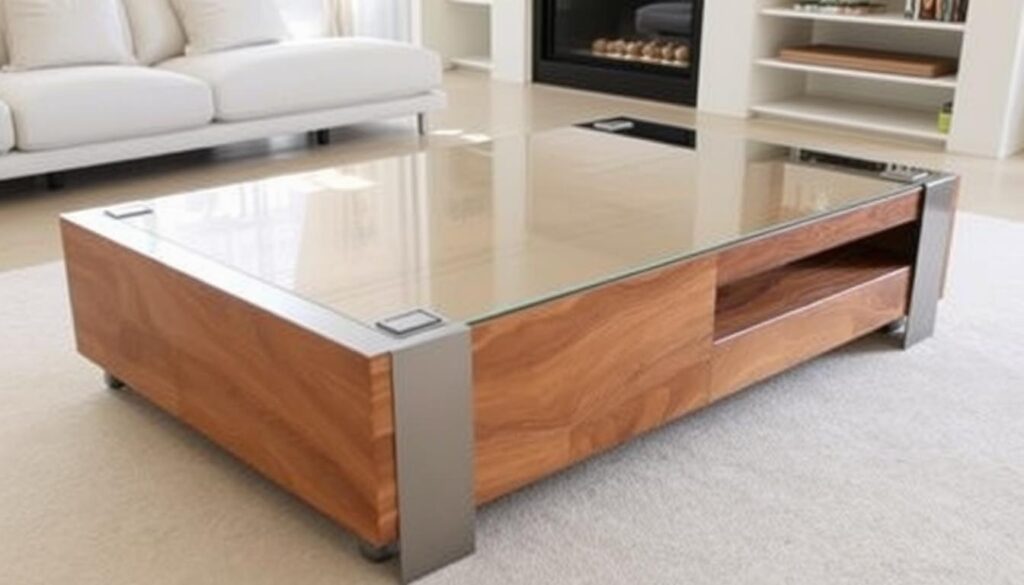
Glass tops provide visual lightness and showcase items below. Tempered glass ensures safety while maintaining elegance. This material creates an open, spacious feeling in your room.
| Material Type | Primary Benefits | Best Applications | Maintenance Level |
|---|---|---|---|
| Solid Wood | Natural beauty, durability | Table tops, bases | Moderate |
| Metal Framing | Strength, modern appeal | Legs, structural supports | Low |
| Glass Surface | Visual openness, safety | Tops, display shelves | High |
Choosing the Right Stain and Paint Techniques
Your stain selection dramatically affects the final look. Oil-based options enhance wood grain visibility. Gel stains provide more uniform color coverage across different materials.
Paint techniques offer creative flexibility. Chalk paint creates matte finishes with vintage charm. Spray applications deliver smooth, professional results on metal components.
Always protect your work with a clear finish like polyurethane. This sealing step safeguards the surface from moisture and scratches. Your table will maintain its beauty for years.
Rustic and Farmhouse Style Inspirations
Farmhouse style celebrates the beauty of imperfections and the stories that materials carry. This approach creates furniture with authentic character that feels collected over time rather than brand new.
Chalk Paint and Distressed Finishes
You achieve authentic farmhouse style through chalk paint applications. This material provides matte, velvety finishes without extensive surface preparation.
Your distressed technique involves painting your piece, then strategically sanding edges and corners. This reveals underlying layers that simulate natural aging. The result adds rustic charm to your coffee table.
Reclaimed Wood and Pallet Projects
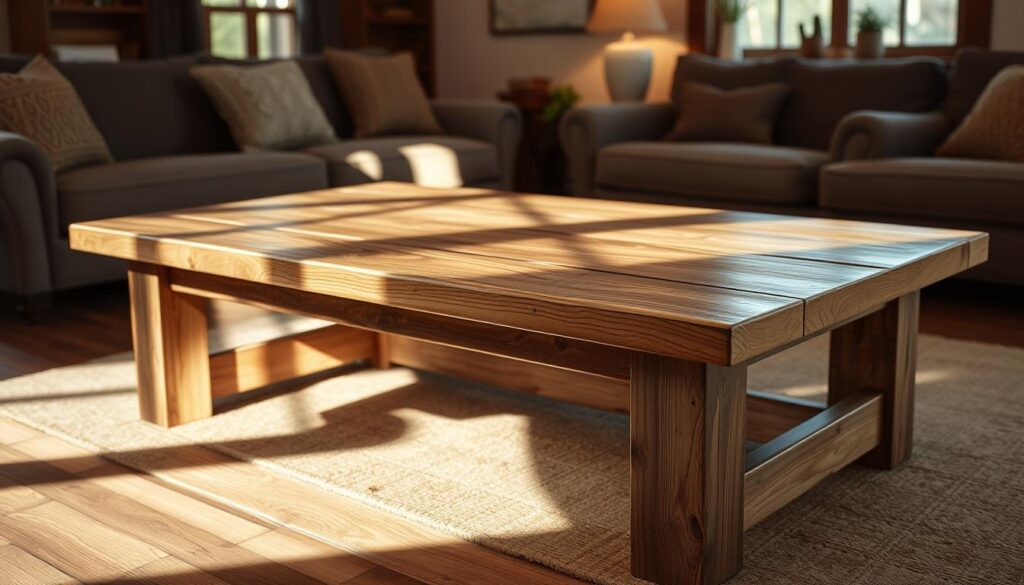
Reclaimed wood offers unmatched character for your projects. Weathered barn wood and salvaged materials provide rich patinas and unique grain patterns.
Your pallet project transforms inexpensive materials into functional furniture. Natural gaps between boards create perfect storage for remotes and magazines. This approach delivers authentic farmhouse appeal on a budget.
Embrace knots and cracks as they add to the lived-in aesthetic. Your finished piece will reflect the warm, welcoming atmosphere central to this design philosophy.
Modern and Industrial Coffee Table Designs
Modern and industrial furniture designs embrace raw materials and clean geometry to create striking centerpieces. These styles prioritize both function and visual impact.
Your project can achieve a sophisticated look through thoughtful material combinations. The interplay between warm and cool elements adds dimensional depth.
Concrete, Mirror, and Metallic Accents
Concrete surfaces offer unexpected sophistication for your table top. When properly polished and sealed, they provide extreme durability.
You can create custom shapes using simple melamine board molds. The result is a unique piece resistant to scratches and stains.
Mirror or metallic accents instantly elevate basic designs. These elements reflect light throughout your room.
Gold or silver spray paint on legs or trim adds glamorous touches. This approach creates visual interest without overwhelming the overall design.
Industrial Pipe and Minimalist Leg Options
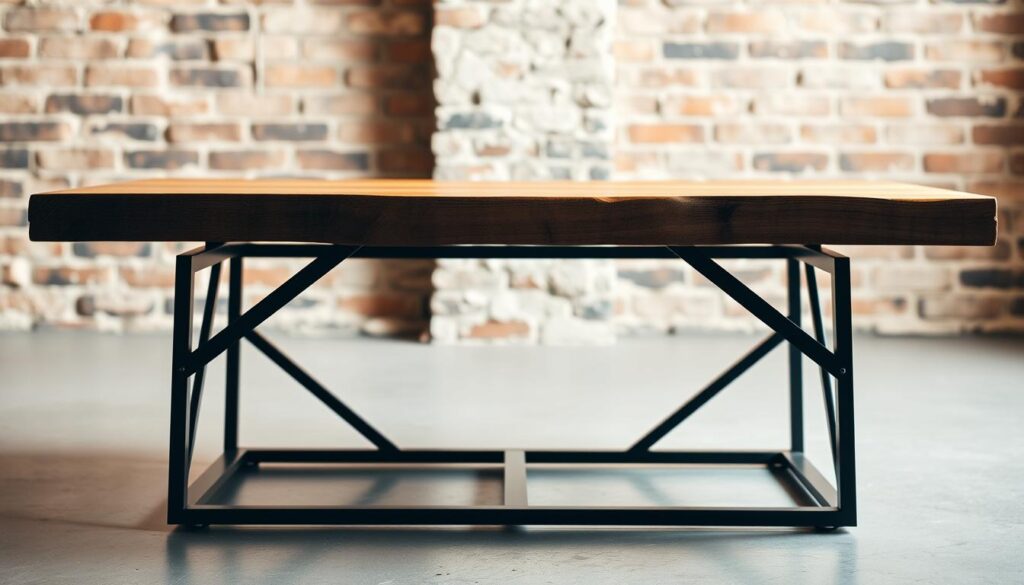
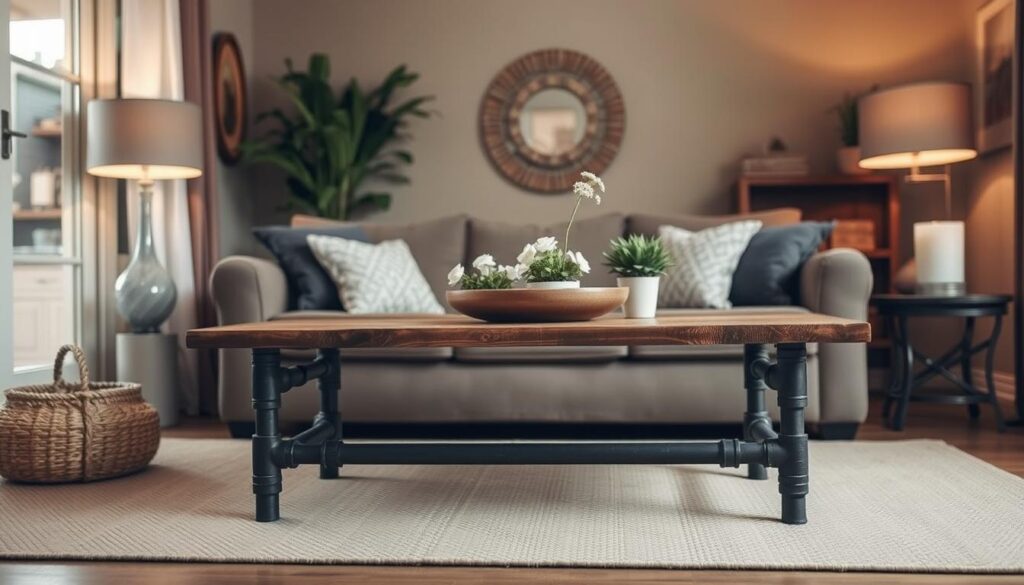
Industrial pipe construction uses readily available plumbing materials. You create sturdy frames from galvanized or black iron pipes.
These frames support wooden, glass, or concrete table surfaces. The exposed hardware provides authentic industrial character.
Hairpin legs represent popular minimalist options. These pre-made metal legs attach quickly to any flat surface.
Your choice of base significantly influences the final aesthetic. Simple supports keep focus on your coffee table top.
Creative Storage Solutions in Coffee Table Projects
Hidden compartments and creative storage options maximize your living space without sacrificing style. Your furniture can serve multiple functions while keeping your room organized and clutter-free.
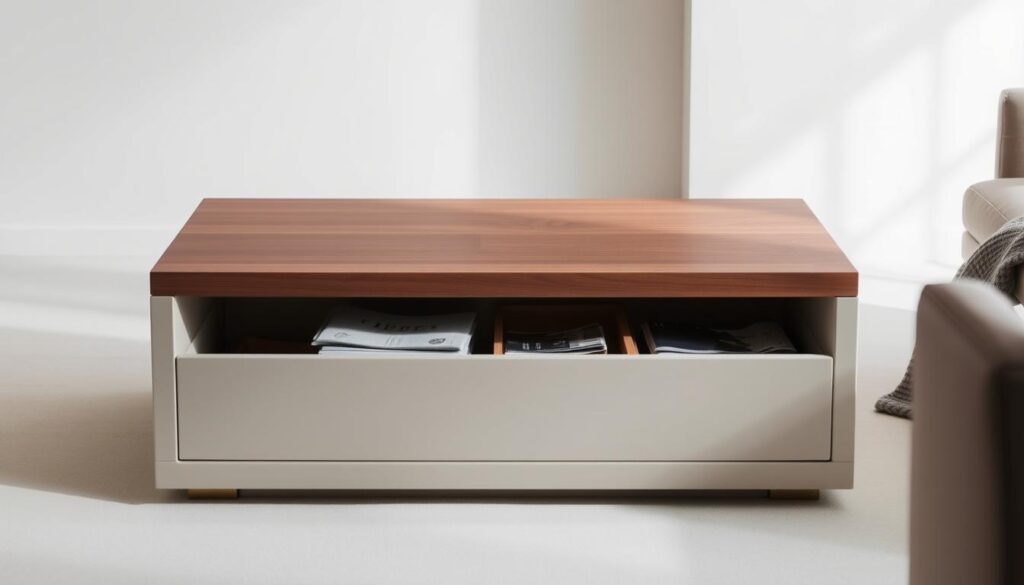
Smart design choices transform a simple surface into a hardworking piece. You gain both aesthetic appeal and practical organization in one furniture item.
Ottoman Tables with Hidden Storage
An ottoman coffee table offers triple functionality as a footrest, extra seating, and storage container. You build a simple wooden box frame with a hinged top for concealed space inside.
The interior becomes perfect for blankets, games, or items you want nearby but out of sight. Cover the top with foam padding and durable, stain-resistant fabric secured with a staple gun.
Wine crate arrangements create instant storage cubbies when positioned with openings facing outward. The stained wood surface provides space for drinks while the openings hold books or decorative items.
Natural gaps in pallet designs work perfectly for storing magazines and remote controls. Nested tables offer flexibility, allowing you to spread them out for entertaining or consolidate for daily use.
Your storage solutions should balance accessibility with clean aesthetics. Frequently used items remain within easy reach while maintaining an uncluttered appearance.
Innovative DIY Techniques and Surface Treatments
The true artistry in furniture creation emerges when you explore advanced surface treatments that transform ordinary pieces into extraordinary statements. These methods allow you to achieve professional-looking results without specialized equipment.
Stenciled Designs and Decoupage Delights
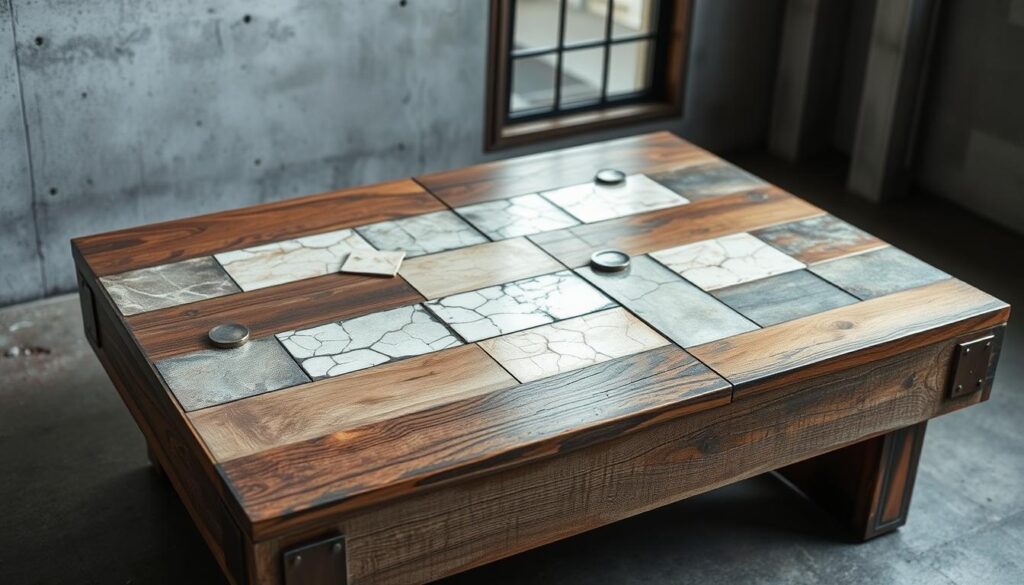
Stenciling offers a straightforward way to add intricate patterns to your furniture surface. You can use pre-made templates or create custom designs that reflect your personal style.
Decoupage allows you to permanently adhere decorative paper, fabric, or printed images to your furniture top. This technique creates unique artistic effects sealed beneath protective coatings.
Both methods work beautifully on various surface types. They let you coordinate your piece with existing decor elements throughout the room.
Faux Marble Effects and Wood Finishes
Faux marble techniques create luxurious appearances using layered paint applications. This approach mimics the veining and movement of natural stone at a fraction of the cost.
Specialized wood treatments like whitewashing or cerusing highlight grain patterns while lightening the overall look. These finish options work well for coastal or Scandinavian aesthetics.
Always protect your creative work with appropriate sealants. This ensures your decorative paint and paper applications withstand daily use while maintaining their beautiful look.
Budget-Friendly Projects and Practical Tips
Creating beautiful furniture doesn’t require a hefty price tag. With clever planning and resourceful material choices, you can achieve a high-end look for a fraction of the cost. This approach maximizes your savings while allowing for creative expression.
Your first step is smart sourcing. Visit thrift stores and online marketplaces for solid pieces needing only cosmetic updates. Salvaged wood from renovation projects or free pallets from local businesses provide excellent, inexpensive materials for your build.
Smart Materials and Cost-Saving Hacks
Paint is your most powerful, affordable tool for transformation. A single quart can refresh multiple items. Spray paint delivers a professional finish for minimal investment.
Consider material substitutions to reduce your project’s cost. Use affordable pine instead of expensive hardwoods. Choose plywood with a veneer for a similar look at a lower price.
Your tool requirements are often minimal. Basic hand tools and sandpaper are sufficient for many successful makeovers. This avoids the hefty price of specialized equipment.
| Budget Strategy | Potential Savings | Skill Level |
|---|---|---|
| Thrift Store Finds | Up to 90% off retail | Beginner |
| Pallet Wood Projects | Under $50 total | Intermediate |
| Paint & Contact Paper | Under $20 update | Beginner |
By focusing on creativity over cost, your final piece will rival store-bought furniture. The savings allow you to invest in other areas of your home.
Step-by-Step Guidance for Your DIY Project
Proper preparation lays the foundation for a successful build that meets both your aesthetic and practical needs. Following a structured approach ensures your creative vision becomes reality.
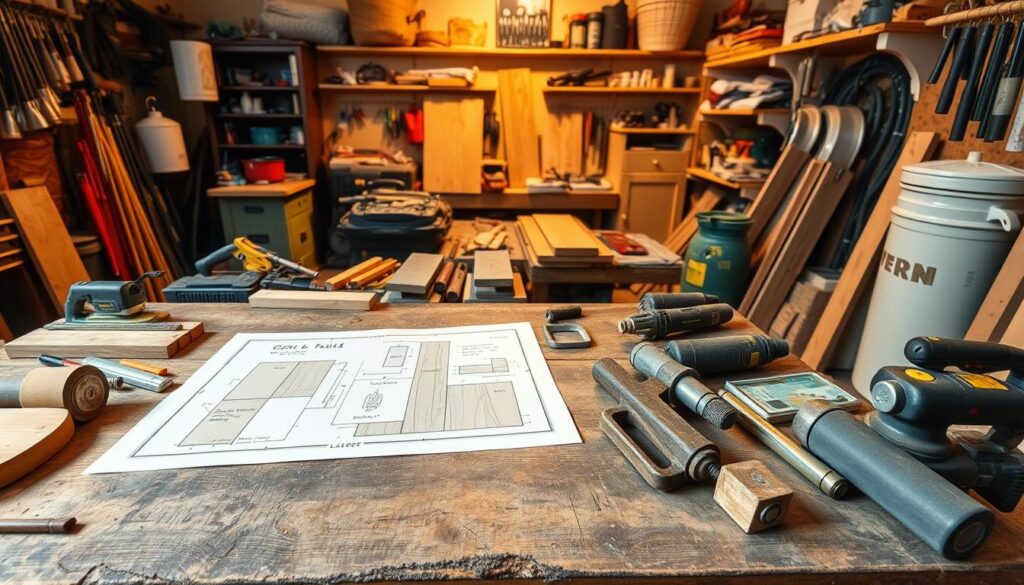
Planning and Materials Checklist
Begin your project with careful planning. Measure your space and sketch your design concept before purchasing materials.
Create a detailed checklist that includes lumber, fasteners, and finishing supplies. This prevents mid-project delays and ensures you have everything needed.
Essential Tools and Safety Tips
Gather appropriate tools for your specific construction. Basic equipment includes measuring tape, saw, drill, and sanding supplies.
Safety should always come first. Wear protective gear and ensure proper ventilation when working with chemicals.
| Project Type | Essential Tools | Estimated Time | Safety Considerations |
|---|---|---|---|
| Pallet Table | Sander, screws, wood glue | Weekend project | Dust mask, gloves |
| Hairpin Leg Table | Drill, mounting plates | Under 1 hour | Safety glasses |
| Concrete Top | Melamine molds, sealers | Multiple days | Ventilation, gloves |
Test finishing techniques on scrap wood first. This prevents unwanted results on your final piece.
Allow proper curing time before using your completed furniture. Follow manufacturer guidelines for best results.
Incorporating Your Personal Style and Home Decor
Your custom furniture becomes truly complete when it feels like an organic part of your room’s overall aesthetic. This integration transforms a standalone project into a cohesive element that enhances your entire space.
Harmonizing Your Coffee Table with Existing Decor
Begin by assessing your current room arrangement. Identify dominant colors, materials, and the prevailing style direction. This analysis helps your new centerpiece complement rather than compete with existing elements.
Your personal taste should guide every decision. Trust your instincts rather than following fleeting trends. Select finishes and design elements that genuinely reflect how you want to experience your space daily.
Coordinate wood tones to match other furniture pieces. Echo metallic finishes from hardware or light fixtures. Pull paint colors directly from your room’s palette for seamless visual flow.
Alternatively, use your coffee table as a contrasting statement piece. Introduce new colors or materials that refresh your room without complete redecorating. This approach adds visual interest while maintaining harmony.
Consider scale and proportion relative to surrounding furniture. Ensure appropriate height relationships with seating for both comfort and balance. Your piece should feel integrated rather than突兀.
Repeat design elements in accessories throughout the space. Matching finishes in picture frames or similar distressing techniques on other furniture creates unified cohesion. Your living area achieves intentional, polished appearance through thoughtful integration.
Conclusion
Every detail in your finished piece tells the story of your personal style and craftsmanship. The transformation of your living space becomes complete with a centerpiece that reflects your unique vision.
Your selection from these diverse ideas should match your skill level and available time. Even simple projects deliver impressive results when executed with care.
The process of creating your own furniture offers rewards beyond the final look. You gain practical skills, creative satisfaction, and the pride of handmade coffee table that perfectly suits your home.
Begin your diy journey this weekend by choosing one approach that inspires you. Your personalized table will become a daily reminder that beautiful living spaces start with your own creativity.