
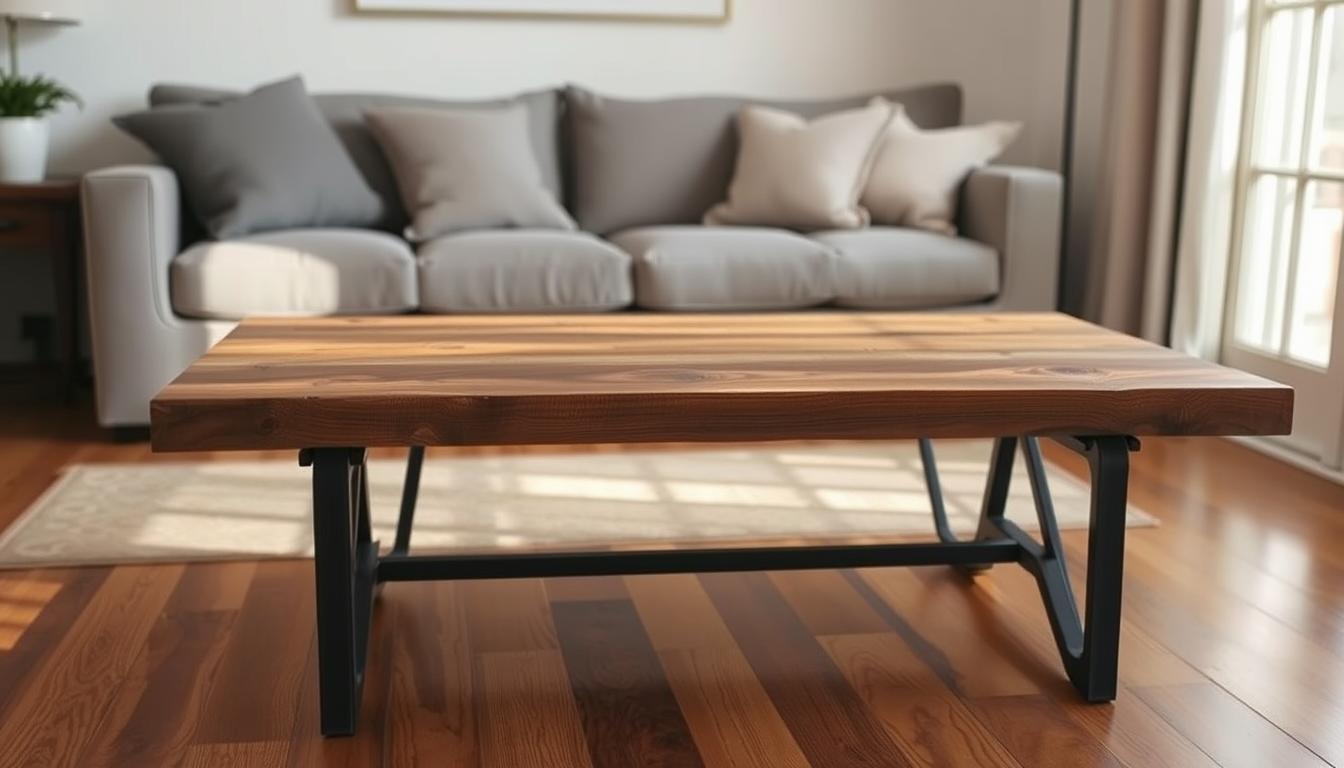
Did you know that the average cost of a new, store-bought industrial-style coffee table can exceed $500? Many people believe that achieving this popular look requires a hefty budget. However, creating your own custom piece is far more affordable and rewarding than you might imagine.
This guide will show you how to build a stunning centerpiece for your living room. You can create a unique piece of furniture that perfectly matches your personal style. The project gives you complete control over the final design, dimensions, and materials.
Whether you are a seasoned builder or just starting out, this project is accessible. You can choose to weld a custom metal frame or use pre-made leg systems for a simpler approach. The result is a high-quality, functional piece that rivals expensive catalog items.
By following this comprehensive walkthrough, you will save a significant amount of money. You will also gain the satisfaction of having built something beautiful with your own hands. Let’s begin the journey to creating your perfect living space accent.
Key Takeaways
- Building your own coffee table is significantly more affordable than buying one retail.
- You have full control over the final design, size, and materials used.
- The project is suitable for various skill levels, from beginner to expert.
- You can achieve a high-end, industrial aesthetic without the premium price tag.
- The finished piece will serve as a unique and personalized centerpiece for your room.
- Options range from simple assembly with pre-made parts to custom metalworking.
- Total project costs can be tailored to fit a budget between $50 and $200.
DIY Coffee Table Metal Legs: Industrial Style Made Simple
Transforming basic components into a stylish living space centerpiece is more achievable than most people realize. This approach to home furnishings combines practicality with creative expression.
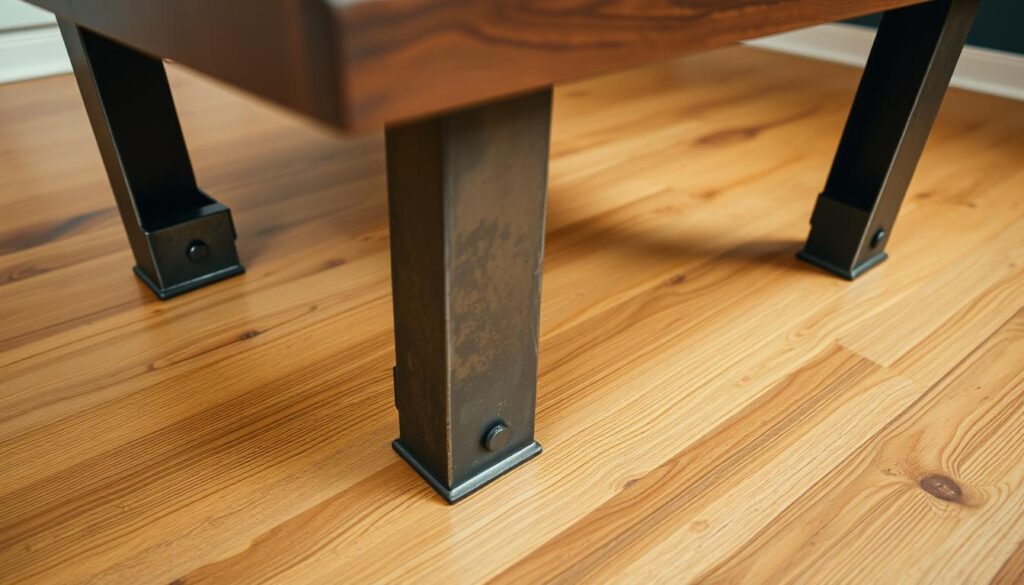
An Overview of the Project
This endeavor transforms raw elements into functional art for your home. The framework provides both structural support and visual appeal.
You’ll work with fundamental building blocks to create something unique. The process demonstrates how ordinary items can become extraordinary pieces.
The combination of different textures creates depth and character. This method celebrates the natural beauty of each component.
Why Choose an Industrial Look?
This aesthetic has gained popularity for its versatility and timeless quality. It blends seamlessly with various decorating schemes from modern to traditional.
The appeal lies in its honest approach to materials and construction. Functional elements become design features rather than hidden components.
As one designer noted, “The best designs celebrate their materials rather than conceal them.” This philosophy creates pieces with authentic character.
You’ll appreciate how this approach values durability and straightforward construction. The result is practical furnishings that showcase material integrity.
Planning Your Industrial Coffee Table Project
The difference between a frustrating experience and a rewarding one often lies in the initial planning phase. Proper preparation ensures your furniture building endeavor stays organized and efficient from start to finish.
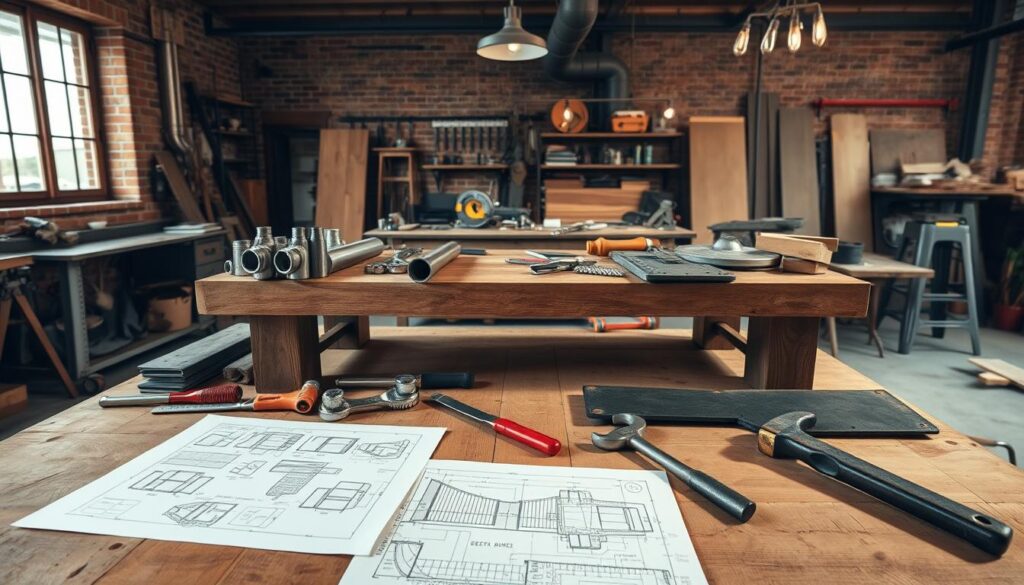
Thoughtful planning helps you avoid common pitfalls that can derail creative projects. You’ll establish clear goals and parameters before investing in materials.
Setting Your Budget and Timeline
Your financial investment for this type of furniture project can range from $50 to $200. The final cost depends heavily on your material selections and tool availability.
One detailed breakdown showed a total expense of $93 for all necessary components. This included steel pieces, cutting tools, hardware, and finishing supplies.
Your timeline should account for each phase of the construction process. Consider material acquisition, fabrication time, and final finishing stages.
Measure your living room space carefully to determine ideal dimensions. Standard heights typically range from 17 to 18 inches for comfortable use.
Strategic choices about where to allocate funds will impact your final result. You might prioritize premium wood for the surface or quality steel for the framework.
Essential Tools and Materials
Having the right equipment and supplies is the first critical step toward a successful build. This section provides a complete overview of what you need to gather before starting your project. Proper preparation with these items ensures a smooth and efficient construction process.
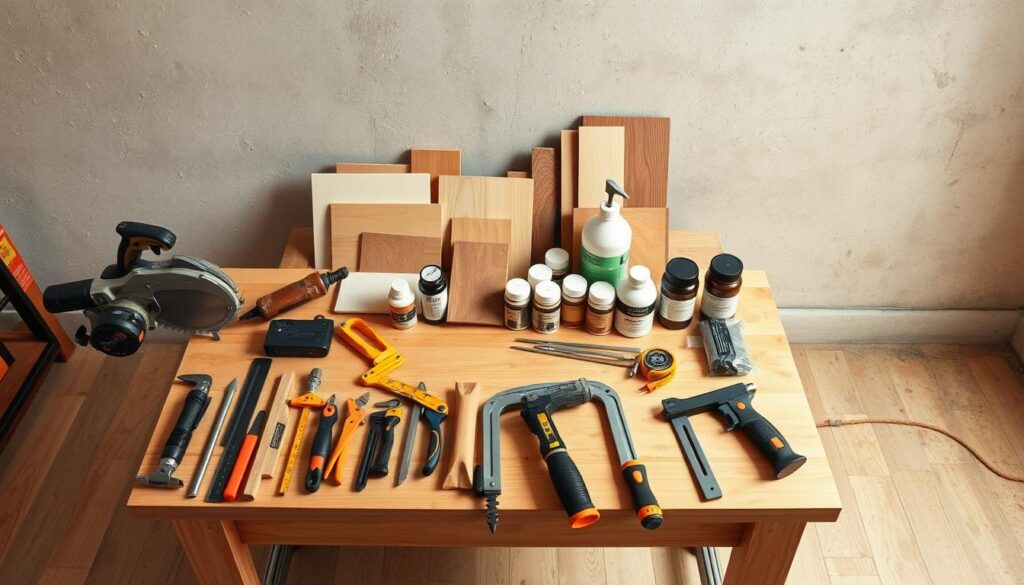
Tools: From Welders to Cutting Saws
Your choice of tools depends on your preferred assembly method. For a welded frame, a 110-volt MIG welder is a cost-effective option, often available for around $100.
You will also need a metal cutting saw. Options range from a basic hacksaw to a more precise hand-held band saw. An angle grinder, drill, and welding magnets are other essential pieces of equipment for fabrication.
If welding isn’t your approach, a bolted assembly requires fewer specialized tools. A drill, screwdrivers, and a saw for cutting wood are the primary needs.
Materials: Steel, Wood, and Finishing Supplies
The core materials for the frame are specific steel components. You will need approximately 16 feet of 1 1⁄2 x 1 1⁄2-inch square tubing for the main structure.
Additional steel pieces, like flat stock, are used for bracing and connecting the legs. For the table top, you have several choices.
Wood options include reclaimed planks, new hardwood, or even tongue-and-groove flooring. You will need about 12 feet of boards to create the tabletop surface.
Finally, hardware like T-nuts, leveling feet, and finishing supplies like primer and spray paint are crucial. These materials give your piece a professional look and lasting durability.
Preparing Your Workspace and Ensuring Safety
Before making the first cut or weld, proper workspace preparation can dramatically impact your project’s outcome and your personal safety. A thoughtfully arranged work area creates an environment where you can focus on craftsmanship rather than fighting against poor organization.
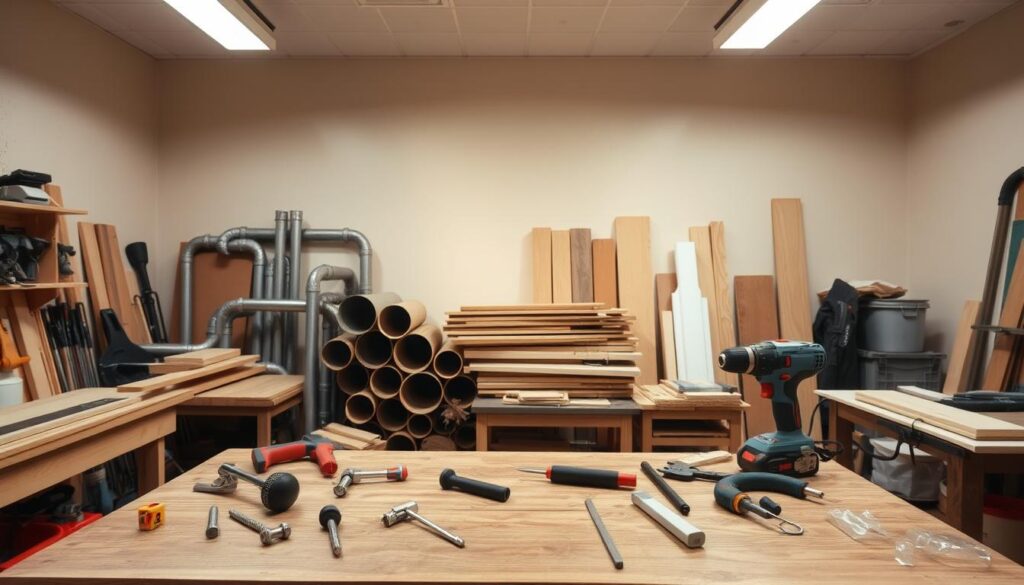
This foundation ensures every step flows smoothly from material preparation to final assembly. You’ll work more efficiently while minimizing risks.
Work Area Setup and Organization
Position your work tables a few feet apart to accommodate long steel pieces during cutting operations. Place the cutting mark close to table edges for maximum stability when clamping materials.
Designate separate zones for different tasks to maintain efficiency. Keep metal cutting and welding in one area, while finishing and painting occur in another space. This logical workflow reduces unnecessary movement of heavy components.
Use scrap wood under metal when drilling to protect your work surfaces. During painting stages, employ a dropcloth with scrap pieces to lift the frame, preventing wet paint from sticking.
Always wear safety goggles when cutting or grinding metal. Ensure proper ventilation for welding or painting activities. Maintaining a clean work area prevents accidents and keeps tools accessible.
Organize cut pieces and hardware systematically throughout the multi-step process. This approach helps you avoid confusion and errors that can compromise your final piece.
Cutting, Welding, and Constructing the Frame
Cutting and joining the steel components requires precision but follows straightforward techniques anyone can master. This phase transforms your materials into the structural foundation that will support your living room centerpiece.
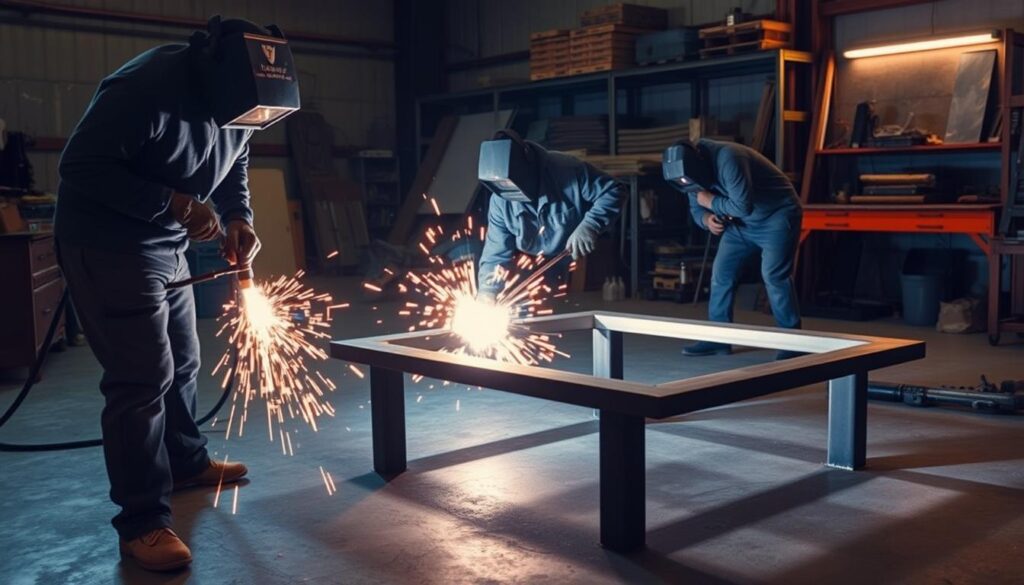
How to Cut Square Tubing and Angled Pieces
Begin by marking each steel piece with a sharpie where you want to make cuts. Secure the material across tables positioned a few feet apart. Place the cutting mark close to one table edge for maximum stability.
Use appropriate blades for your chosen cutting tool. Each cut takes less than a minute with the right equipment. For angled pieces, clamp with the angle enveloping a table edge.
Cut through the top edge, flip the piece over, and cut through the other side. You may not cut through the corner completely. At that point, you can easily bend and break the piece.
Welding Techniques for a Stable Frame
Practice on scrap metal first to develop your technique. MIG welding produces the cleanest results, but flux core and stick methods also work effectively.
Distribute heat evenly across your frame to prevent warping. Jump diagonally across your workpiece when tacking joints together. This approach maintains structural integrity.
Professional-looking welds aren’t critical for this project. An angle grinder can smooth any rough-looking joints. Focus on creating strong connections that will support your tabletop.
Building and Attaching the Coffee Table Top
The surface you choose defines the character of your entire project. This is where your personal style truly comes to life.
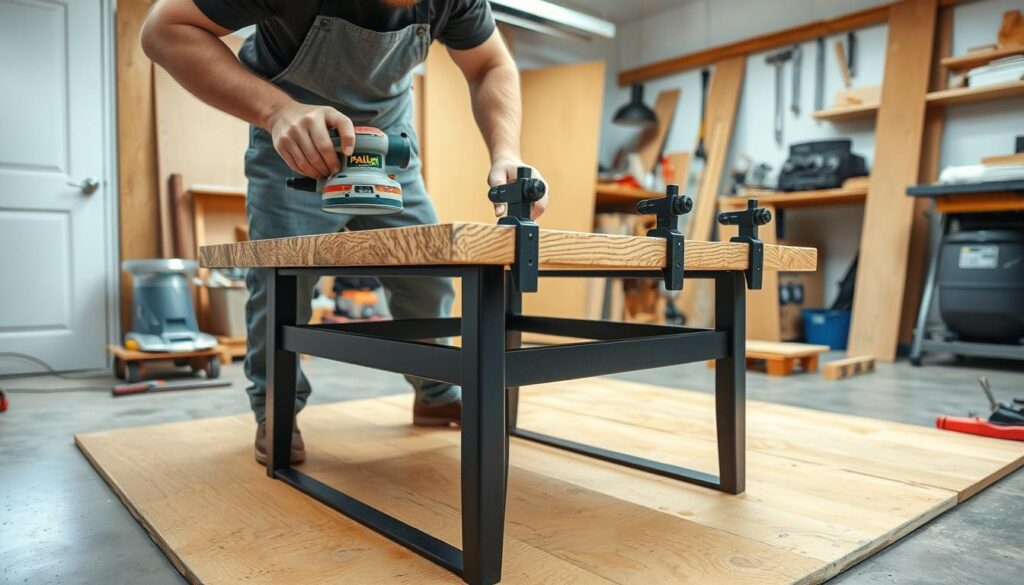
Your material choice is nearly limitless. You can use reclaimed century-old tongue-and-groove flooring, fresh oak from a lumber yard, or even granite remnants.
Each option brings a unique texture and history to your piece.
Selecting and Cutting the Tabletop Material
Consider the dimensions and thickness of your material carefully. Rectangular tops can measure up to 150×75 cm, while round tops can reach 100 cm in diameter.
A thickness of 20 to 40 mm provides the ideal balance of stability and weight. This range ensures your surface is substantial without overstressing the frame.
As one experienced builder noted, “The right thickness prevents wobble and guarantees longevity.” Avoid brittle materials like glass for safety and durability.
Cut your chosen material to fit perfectly atop your frame. Precision here ensures a professional-looking finish.
Methods for Securing the Tabletop to the Frame
Attachment methods depend on your frame type. Welded frames require angle brackets for a secure connection.
Use a scrap piece of your tabletop material as a spacer when positioning brackets. This technique guarantees the correct height.
Modular leg systems often use patented clamps that grip the edge. These systems support up to 70 kg.
Consider the number of supports needed. Round surfaces typically require three legs, while rectangular ones need four.
| Frame Type | Attachment Method | Key Consideration |
|---|---|---|
| Welded | Angle Brackets | Use material spacer for height |
| Modular | Patented Clamps | Grips the edge securely |
Painting and Finishing Touches
Applying the perfect finish elevates your creation from a basic structure to a professional-looking piece of furniture. This phase determines both the visual appeal and long-term durability of your centerpiece.
Preparing the Steel: Cleaning and Scrubbing Tips
Begin by sanding the frame with 220-grit sandpaper to remove any oxidation. Wipe everything down with denatured alcohol to eliminate oils that prevent proper adhesion.
Some steel arrives with a factory coating that flakes off. Soak smaller pieces in white vinegar overnight. The coating rubs off easily with a scouring pad after soaking.
For longer pieces, flip them the next morning for additional scrubbing. Use steel wool for tougher spots. Wash each piece thoroughly with water and dry completely before moving to the next step.
Effective Painting and Protective Coating Techniques
You have several finishing options for your metal frame. Leaving the steel raw allows a natural patina to develop over time. Alternatively, apply paint for color or a clear coat for protection while maintaining the metallic look.
The painting process follows a specific sequence for best results. Start with a primer coat, followed by two coats of your chosen color. Finish with a protective topcoat for durability against daily use in your living room.
Elevate your frame on scrap wood during painting to prevent wet paint from bonding to your dropcloth. This simple precaution ensures a clean, professional finish for your final piece.
Addressing Common DIY Challenges and Troubleshooting
Structural integrity is the foundation of any successful furniture project, and understanding common pitfalls ensures lasting results. Even experienced builders encounter issues that require quick thinking and practical solutions.
Preventing Warping and Racking
Racking occurs when your frame shifts out of square alignment during movement. This problem primarily affects bolted designs without diagonal cross-bracing.
To prevent warping during welding, distribute heat evenly across your workpiece. Jump diagonally when tacking rather than concentrating heat in one area. This technique maintains structural stability throughout the process.
Troubleshooting Welds and Misalignments
Don’t worry about imperfect welds affecting your final piece. Aesthetic imperfections can be ground smooth with an angle grinder. Structural strength matters more than appearance for functional furniture.
For drilling precision issues, clamp pieces together and drill through existing holes. This ensures perfect alignment between connecting components. Number and organize your drilled pieces to avoid confusion during assembly.
Remember that furniture construction doesn’t require professional-grade perfection. Focus on sufficient structural integrity for everyday use. Problem-solving is a normal part of the creative process, not a sign of failure.
Incorporating Modern Industrial Design Elements
The final aesthetic decisions transform your functional creation into a true centerpiece for your home. This is where your personal vision comes to life, blending raw materials with thoughtful details.
Your choices here determine how the piece interacts with your existing decor. It becomes a unique expression of your taste.
Mixing Wood and Metal Aesthetics
The core appeal of this look lies in the contrast between materials. Warm, natural wood grain against cool, sleek steel creates visual depth and character.
You can achieve different moods based on your selections. A dark stained top with black legs offers a modern, sleek feel.
Lighter woods paired with raw or galvanized metal evoke a more rustic or Scandinavian atmosphere. Consider the texture of each material as well. A rough-sawn plank offers a different feel than a smoothly sanded surface.
Personalizing Your Coffee Table with Unique Finishes
Your project does not need to follow a standard formula. Real-world examples show incredible diversity in approach.
Some builders use geometric patterns with staggered leg placement for a dynamic look. Others employ color blocking, using brightly painted supports against a neutral surface.
Unconventional materials like concrete, game boards, or repurposed shutters can form the top. Retaining natural bark edges or creating a mosaic pattern adds a one-of-a-kind touch.
The finish on the metal components dramatically alters the overall style. With several color options available, you can create a subtle piece or a bold statement that anchors your living space.
Conclusion
Building your own unique piece represents more than just cost savings—it’s an opportunity for personal expression. You now possess the comprehensive knowledge to transform raw materials into functional art for your living space.
The skills you’ve developed will serve you well in future creative projects. From initial planning to final finishing touches, each step builds confidence in your abilities. Challenges become learning opportunities rather than obstacles.
Your completed centerpiece will reflect your personal design aesthetic while providing practical function. This experience demonstrates that quality furniture creation is accessible to builders at all skill levels.
You’re now equipped to approach similar endeavors with greater assurance. The satisfaction of creating something with your own hands makes the journey worthwhile. Your living room will benefit from a piece that truly represents your vision and craftsmanship.