

Did you know that high-end furniture pieces with distinctive ball-shaped supports can cost over $2,000 from premium retailers? This staggering price tag has inspired countless homeowners to explore creative alternatives.
The trend of furniture featuring rounded, organic bases has exploded across social media platforms. Design enthusiasts are sharing their stunning creations on Instagram, TikTok, and Pinterest. This movement represents a significant shift toward modern aesthetics in home decor.
This comprehensive guide reveals how you can create your own stunning centerpiece using accessible materials. You’ll transform simple components like IKEA bamboo bowls into professional-looking furniture. The final piece measures approximately 6 feet by 4 feet, making it perfect for spacious family rooms.
This approach empowers you to customize every aspect of your creation. You control the dimensions, shape, color, and finish to ensure perfect harmony with your existing decor. The result rivals expensive retail options at a fraction of the cost.
Key Takeaways
- Ball leg furniture represents a modern design shift gaining massive social media traction
- Creating custom furniture allows for complete customization of size, shape, and finish
- This project uses affordable, accessible materials to achieve high-end results
- The final piece measures approximately 6×4 feet, ideal for larger living spaces
- DIY methods can save thousands compared to premium retail furniture prices
- Organic shapes and distinctive supports define contemporary furniture trends
- This approach teaches professional woodworking techniques applicable to future projects
Project Overview and Inspiration
Modern interior design is experiencing a shift toward organic forms and sculptural elements that redefine conventional furniture silhouettes. This movement embraces cleaner lines and geometric simplicity while maintaining connections to cultural design heritage.
Background and Creative Influences
The creative process for this piece began with collaboration between DIY enthusiasts. Maddy from The Essentials Club sought a custom centerpiece for her studio space. Her vision involved translating high-end designer looks into achievable projects.
Mood boarding and color selection played crucial roles in the planning phase. Reference images from premium retailers inspired the final aesthetic. The goal was creating furniture that complemented specific environments perfectly.
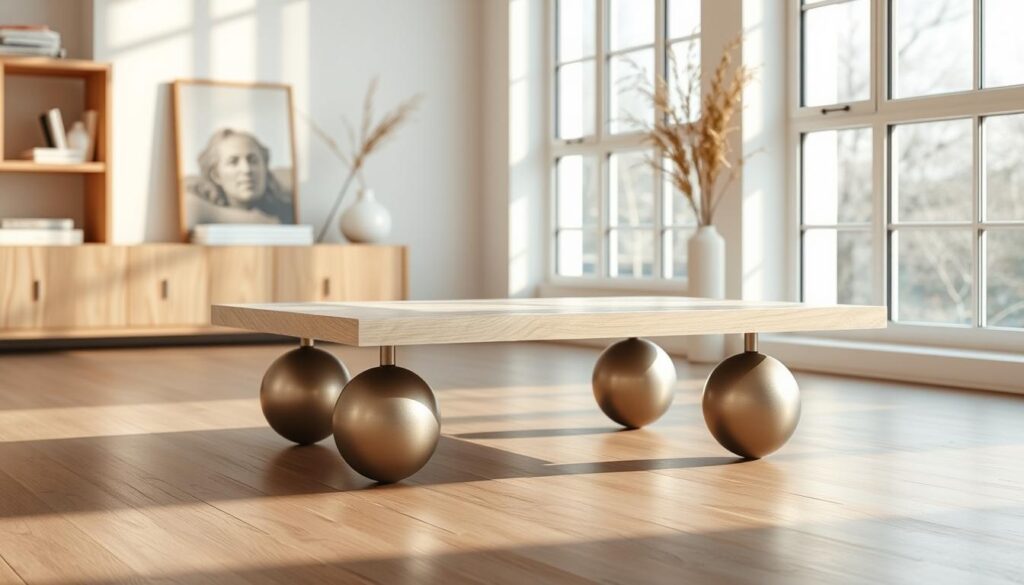
Exploring the Trend of Ball Legs in Modern Design
Social media platforms have accelerated this design trend’s popularity. Homeowners and professionals share interpretations across Instagram, TikTok, and Pinterest. These platforms showcase how organic shapes create visual interest.
Designer Greg Navage observed this shift firsthand. “After years of farmhouse trends, preferences moved toward modern looks while embracing cultural elements,” he noted. The ball foot aesthetic represents this evolution perfectly.
| Feature | Traditional Legs | Modern Ball Legs | Design Impact |
|---|---|---|---|
| Shape Profile | Turned wood details | Smooth spherical forms | Clean geometric statement |
| Visual Weight | Ornate and heavy | Minimal and balanced | Light, airy appearance |
| Style Compatibility | Rustic and farmhouse | Contemporary and modern | Versatile across decor styles |
| Focal Point | Support structure only | Signature design element | Conversation-starting feature |
This approach demonstrates how collaborative DIY culture brings dream pieces to life. The final projects become statement pieces worthy of design-focused spaces.
Materials, Tools, and Supplies
Before cutting your first board, assembling the correct workshop essentials makes construction smoother. Having everything organized in your storage area prevents interruptions during the building process. This preparation phase sets the foundation for a successful project.
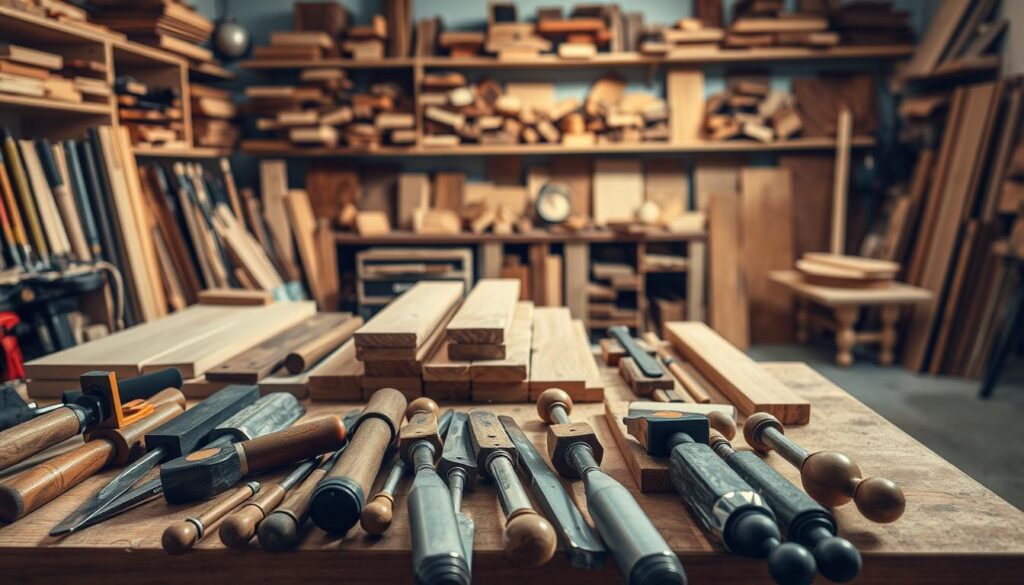
Essential Tools for Woodworking
Your tool selection directly impacts the quality of your finished piece. A random orbit sander provides efficient surface preparation for the wood components. This tool removes old finishes and creates smooth surfaces ready for staining.
For cutting organic curves in your tabletop, a jigsaw with a clean-cut blade is essential. Clamps secure laminated boards during glue-up, ensuring strong bonds. These basic tools handle most woodworking projects effectively.
| Tool Type | Primary Purpose | Key Features |
|---|---|---|
| Random Orbit Sander | Surface preparation | Dust collection, variable speed |
| Jigsaw | Curved cuts | Clean-cut blade, adjustable base |
| Clamps | Assembly support | Various sizes, quick-release |
| Portable Spindle Sander | Edge smoothing | Multiple sleeves, compact design |
Detailed Supplies List and Recommended Brands
Material selection determines both construction ease and final appearance. IKEA Blanda Matt bamboo bowls create distinctive ball supports for your furniture. These affordable components form the unique base structure.
For the main surface, two layers of 3/4 inch plywood create substantial thickness. DAP Weldwood adhesive provides strong bonds between wood pieces. Varathane Kona gel stain ensures even color absorption on bamboo materials.
Proper sandpaper selection ranges from 80 to 150 grit for different stages. Coarser grits help bamboo absorb stain more evenly. All materials remain accessible through major home improvement retailers.
Planning and Design Process
The design phase establishes the foundation for your entire furniture creation process. This critical stage ensures your final piece meets both aesthetic and functional requirements.
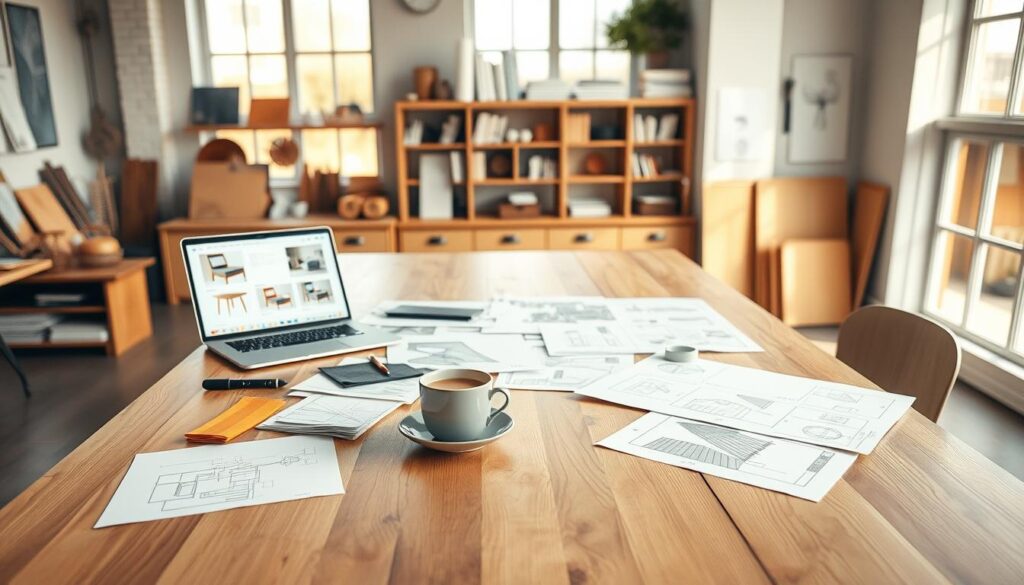
Sketching Your Layout and Freehand Curves
Begin your planning process by creating detailed mood boards. These visual guides incorporate reference images from retailers like Wayfair and color palette explorations.
The organic shape requires confidence in freehand drawing. You’ll sketch curves directly onto your clamped plywood boards, using inspiration from professional designs.
Remember that achieving perfectly symmetrical curves is less important than creating visually pleasing, flowing lines. Many DIY enthusiasts find their freehand results equal to or better than rigid template-based approaches.
Choosing Colors and Finishing Options
Your color selection process should account for how gel stains interact with different materials. Darker tones like Kona provide dramatic contrast while requiring proper surface preparation.
Consider structural elements including leg placement and riser height. Typically, 1.5 inches achieves standard height aligned with sofa cushions.
The design phase includes considerations for finishing techniques. Determine whether to use edge banding or leave exposed plywood edges based on your desired aesthetic.
Create detailed plans that account for material quantities and assembly sequences. This roadmap ensures a smooth process from initial concept through final installation.
Step-by-Step Construction Process
The actual assembly phase transforms your prepared materials into a functional furniture piece. This hands-on stage requires careful attention to detail for professional results.
Building the Tabletop and Assembling the Base
Begin by sanding the rims of six IKEA bamboo bowls with 150 grit sandpaper. This removes the factory finish and creates texture for strong adhesive bonding.
Apply DAP Weldwood instant wood adhesive to bowl rims and press pairs together firmly. These spherical forms cure to rock-solid strength within 20 minutes.
Fill visible seams on each ball with wood filler using a putty knife. After drying, use your random orbit sander to smooth the surface and prepare for stain absorption.
Your tabletop construction requires stacking two 3/4 inch plywood sheets. Secure them with clamps and draw your freehand organic shape directly onto the top surface.
Cut with a jigsaw fitted with a clean-cut blade for optimal results. Apply wood glue liberally across one face after cutting.
Carefully align both cut pieces and deploy every available clamp. This maintains perfectly closed edges throughout drying, creating a substantial 1.5-inch thick top.
Techniques for Attaching and Finishing Ball Legs
The leg attachment process involves cutting 1.5-inch risers from 2×4 lumber. Glue them to the top of each ball using instant wood adhesive to add height.
Secure these riser-topped assemblies to the underside of your completed tabletop. Position them strategically for optimal weight distribution.
The instant wood adhesive creates bonds strong enough to support the entire structure. This eliminates concerns about attachment failure while allowing quick assembly.
Your construction sequence ensures each component is properly prepared before final assembly. The modular approach lets you work on legs and tabletop simultaneously.
How to Build a DIY Coffee Table with Stylish Ball Legs
Proper surface treatment elevates your project from basic construction to refined craftsmanship. This final phase determines whether your piece appears homemade or professionally finished.
Staining, Sanding, and Sealing Tips
Bamboo requires unique staining considerations. Sand your ball supports only to 80 or 100 grit rather than progressing to finer sandpaper.
The rougher surface texture allows gel stain to penetrate more deeply. This approach reduces the blotchy appearance common with bamboo materials.
For your plywood surface, meticulous attention to mill marks is essential. These manufacturing streaks remain visible through multiple finish coats if not properly addressed.
| Sanding Grit | Surface Texture | Stain Absorption | Recommended Use |
|---|---|---|---|
| 80-100 Grit | Rough, textured | Maximum penetration | Bamboo components |
| 120-150 Grit | Medium smooth | Balanced absorption | Plywood surfaces |
| 180-220 Grit | Very smooth | Reduced penetration | Final polishing |
Apply Varathane Kona gel stain using stain gloves for complete coverage. The first coat often reveals uneven absorption that gets corrected with a second application.
Use a small folded rag saturated with stain to smooth out the final coat. This artistic approach covers any remaining imperfections for rich, consistent color.
Your finishing schedule should allow a couple days for proper drying between coats. Apply several coats of satin wipe-on polyurethane as the protective sealer.
Gel stain’s thicker consistency makes it ideal for building color depth through multiple applications. This patience during the finishing phase separates amateur results from professional-looking furniture.
Conclusion
Your completed project stands as a testament to your skills. This stunning centerpiece transforms your living room into a modern space. The piece combines organic shapes with practical design.
You have achieved a high-end look for your home at a fraction of the cost. The techniques you mastered are now valuable for future furniture projects. Your work rivals expensive retail options.
This creation proves that ambitious DIY builds can refresh an entire house. Your new furniture piece inspires confidence for more projects. It demonstrates the power of personalized design.
Your accomplishment highlights the satisfaction of custom craftsmanship. The final look elevates your room and showcases your abilities.