

Did you know the average cost of a new accent table can exceed $150? Many people believe stylish home furnishings require a hefty investment. But what if you could create a beautiful, functional piece for a fraction of that price?
This guide reveals how to assemble stunning furniture using accessible items. You can transform simple, affordable finds into elegant pieces that look high-end. The process is straightforward and requires no advanced skills.
We will explore several creative methods. Each project uses basic materials and clever assembly techniques. The goal is to help you achieve a custom look that perfectly suits your space and personal style.
Key Takeaways
- Create high-end looking furniture without a large financial investment.
- Utilize affordable items and basic crafting supplies for your project.
- Follow step-by-step instructions for three distinct assembly methods.
- Complete these projects with minimal tools and beginner-friendly techniques.
- Customize the final piece to match your existing home decor and personal taste.
- Enjoy versatile furniture suitable for various rooms and purposes.
- Save significantly compared to the cost of store-bought alternatives.
Overview and Materials for Your DIY Project
The foundation of any successful crafting endeavor begins with proper material preparation. You have three distinct approaches to choose from, each requiring specific components available at affordable retailers.
Gathering Dollar Store Finds and Budget Considerations
Your primary structural elements come from discount stores. The trash can method uses two matching containers joined at their bases. The laundry basket approach transforms two identical baskets with decorative marbles.
The punch bowl design stacks approximately twenty crystal-cut bowls to create elegant pedestal legs. Each project maintains a minimal budget, ranging from $5 to $25. This represents significant savings compared to retail alternatives.
Essential Supplies and Tools
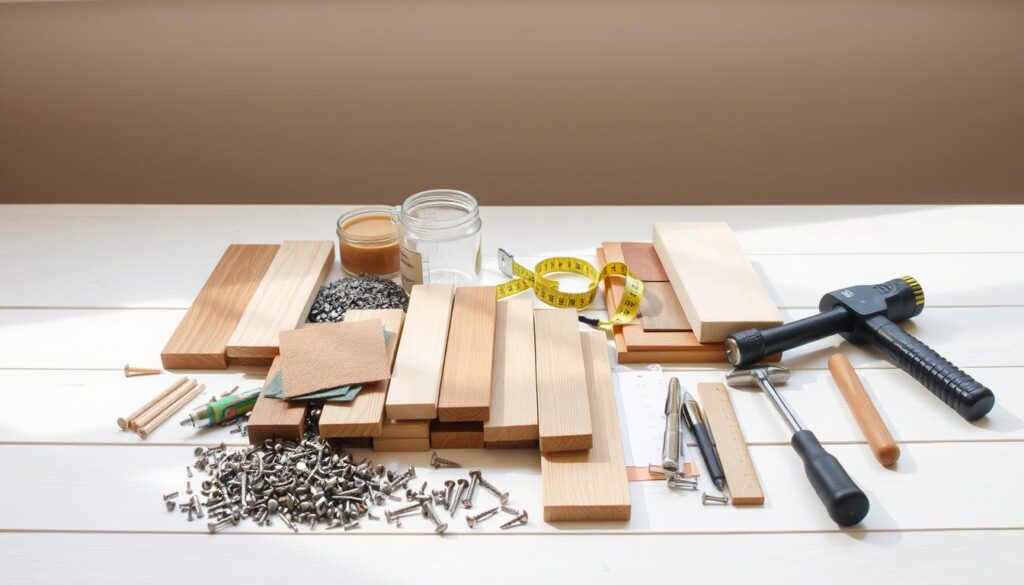
E6000 adhesive provides the strongest bond for structural elements that bear weight. This industrial-strength glue ensures your creation remains sturdy and permanent.
You’ll also need construction adhesive for decorative attachments. Additional materials include a jigsaw for cutting wood components, spackle for filling gaps, and finishing supplies like gold leaf or spray paint. Outdoor Mod Podge works well for fabric applications.
Weighting materials such as sand or sodium chloride add stability to the base. Painter’s tape helps achieve clean lines during the finishing process. These tools combine to create a professional-looking final piece.
DIY Side Table Dollar Tree Hack: Budget-Friendly Build – Step-by-Step Process
With your materials prepared, you’re ready to start the assembly process that brings your vision to life. This phase requires patience and careful attention to each step.
Building the Base Using Dollar Tree Components
Constructing a stable foundation is essential for your project’s success. For the trash can method, cut a circular wood disc to connect the containers. Use E6000 adhesive to bond each trash can bottom securely.
Add weight to the lower container using sand or similar materials. This creates better balance and prevents tipping. The laundry basket approach involves systematically applying marbles with a combination of adhesives.
Attaching the Tabletop with Secure Adhesives
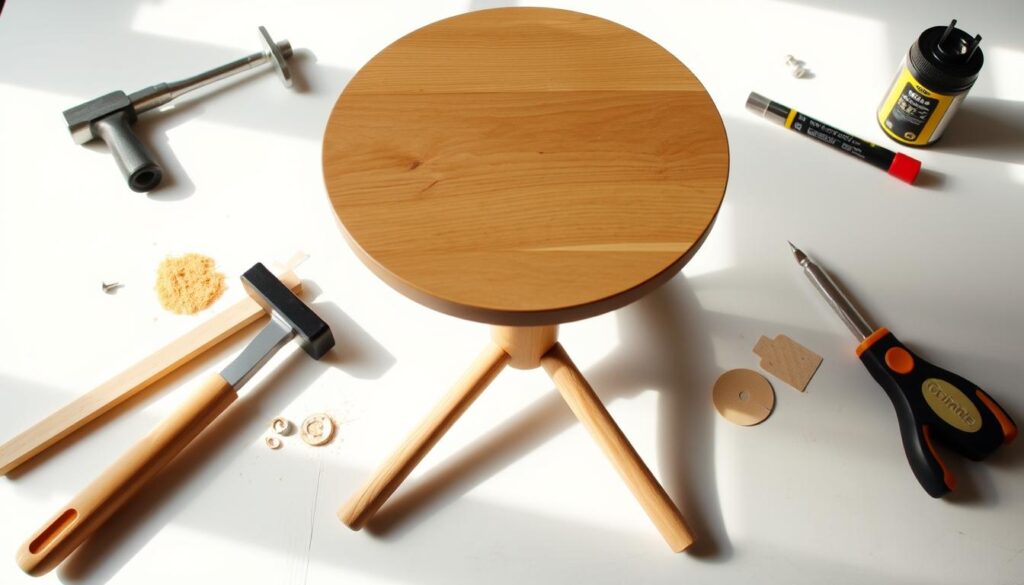
When connecting the surface to your base, apply E6000 glue generously. Place a heavy object on the top during drying to ensure a tight bond. This method creates permanent attachment that supports decorative items.
The punch bowl technique requires careful stacking of ten bowls per stand. Weight the bottom bowls with sodium chloride for stability. Measure carefully when adhering the plywood surface for even placement.
Finishing Techniques: Patterns, Spackling, and Gold Accents
Choose your decorative approach—spray painting, hand painting, or fabric application using Outdoor Mod Podge. Apply multiple coats with proper drying time between applications.
Fill gaps between components using craft foam tape first, then spackle in layers. Use painter’s tape for clean edges. Gold leaf accents add luxury when applied to edges or seams.
| Method | Base Construction | Adhesive Required | Finishing Options |
|---|---|---|---|
| Trash Can | Wood disc connector | E6000 glue | Paint, fabric, gold leaf |
| Laundry Basket | Marbled surface | Hot glue + E6000 | Spray paint, gold accents |
| Punch Bowl | Stacked glass bowls | Construction adhesive | Paint, decorative finishes |
Final sealing with acrylic spray eliminates tackiness from Mod Podge. Wait two weeks for complete curing before regular use. Handle your finished piece by gripping the upper portion to prevent damage.
Design Tips and Customization Ideas
Your new accent piece deserves a look that reflects your personal style and stands the test of time. These tips will help you customize the final product to fit perfectly within your space.
Choosing Patterns and Textures to Match Your Space
Select a color palette that complements your room. A white and gold scheme creates a glamorous feel. Earthy greens with neutral beiges offer a natural aesthetic.
For patterns, consider bold geometric designs. Applying fabric often works better than painting directly onto plastic materials. This way ensures a clean, professional finish.
Practical Tips for Durability and Aesthetic Appeal
Style your finished table with potted plants or a matching lamp. This adds visual interest and function. Remember not to overload the top, especially with glass designs.
For protection, use an acrylic sealer. It eliminates tackiness and adds a durable coat. Your versatile tables can serve as end tables or plant stands in any space.
Conclusion
Transforming ordinary items into extraordinary furniture has never been more achievable than with these approaches. You’ve discovered how accessible materials can become stunning pieces that enhance your living space.
The techniques shared provide a foundation for continued creativity. Your new skills enable you to craft items that reflect personal style while maintaining exceptional quality. The satisfaction of creating something unique is truly rewarding.
Remember that proper assembly and finishing ensure lasting durability. Your finished table will serve as both a functional surface and decorative accent. These methods prove that beautiful home furnishings don’t require large investments.
Continue exploring creative possibilities with confidence. Your journey into personalized home decor has just begun, offering endless opportunities for future projects.