

Did you know that over 70% of homeowners feel their living space lacks a true personal touch? The centerpiece of your living room is often the most overlooked opportunity to change that.
Creating your own living room centerpiece is a rewarding weekend project. It combines practical needs with creative expression. You get a custom piece of furniture that fits your space and style perfectly.
This approach to home furnishing saves you money. More importantly, it gives you complete control. You choose the materials, dimensions, and final finish.
Detailed instructions make the building process straightforward. Even with little experience, you can achieve a result that showcases your personal craftsmanship. The final product becomes a unique conversation piece.
Key Takeaways
- Building your own furniture adds a unique, personal touch to your home.
- This project can be completed over a weekend with the right guidance.
- Creating a custom piece allows for perfect sizing and material selection.
- It is a cost-effective way to acquire high-quality, custom furniture.
- Detailed plans make the construction process accessible for newcomers.
- A handmade piece serves as a focal point and reflects your personal style.
Introduction: The Appeal of a DIY Coffee Table
Your living area gains its true character from the furniture that fills it, with one central element standing out as both functional and expressive. This essential piece serves as the anchor of your seating arrangement, providing a versatile surface for daily use.
A well-chosen centerpiece transforms how you experience your living room. It holds your favorite beverages, books, and decorative accents. More importantly, it creates a focal point that ties your entire decor together.

Creating your own furniture offers unmatched customization. You control every aspect from dimensions to materials. This ensures your final product fits your space perfectly and matches your existing design aesthetic.
Consider the advantages of building versus buying:
| Aspect | Store-Bought | Custom-Built |
|---|---|---|
| Cost | Higher prices | 50-70% savings |
| Size Options | Limited selection | Perfect fit |
| Material Quality | Variable | Your choice |
| Personalization | Minimal | Complete control |
The financial benefits are significant. Building your own piece can save you hundreds of dollars compared to retail options. You also invest in lasting quality by selecting durable materials.
Beyond cost savings, you develop valuable skills. Each project builds your confidence with tools and techniques. These abilities transfer to future home improvement endeavors.
Sustainable practices become possible when you build yourself. Using reclaimed wood or repurposed materials reduces environmental impact. Your creation gains unique character while supporting eco-friendly choices.
Your handmade piece becomes a source of personal pride. It reflects your creativity and attention to detail. This functional artwork transforms your living space with meaning and personality.
Tools and Materials Needed for Your DIY Coffee Table Project
Successful furniture construction begins with proper preparation and the right equipment. Gathering your implements beforehand ensures a smooth workflow. This prevents interruptions during the building process.
Essential Tools for Beginners
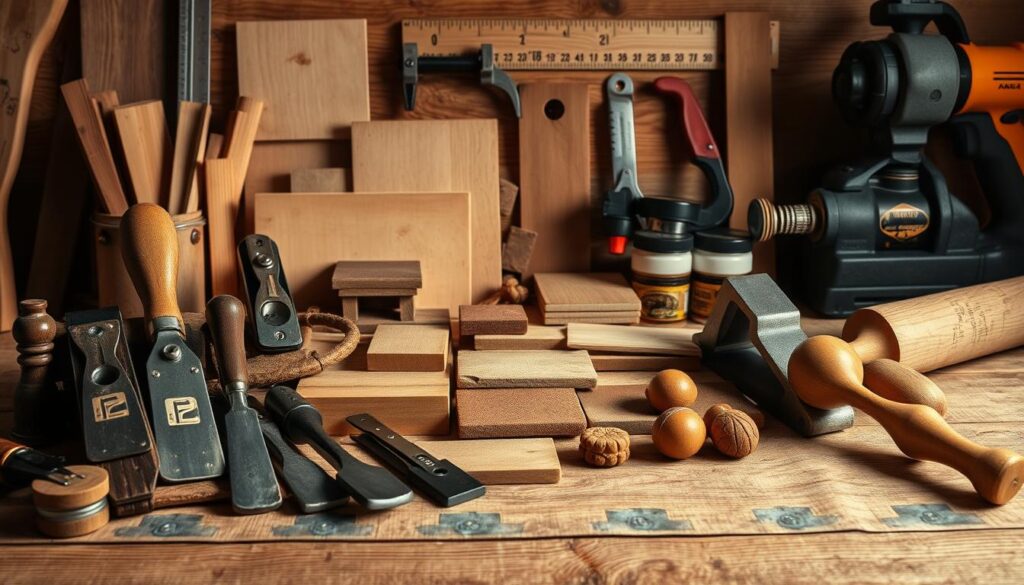
You need basic carpentry tools to complete this project. A saw cuts your wood to the correct dimensions. A drill creates holes and drives screws securely.
Clamps hold pieces together during assembly. Measuring tools like tape measures and squares ensure accuracy. Wood glue and screws provide strong joints.
Safety equipment protects you during construction. Wear safety glasses and cut-resistant gloves. Use a dust mask when creating fine particles.
Choosing the Right Materials for Durability and Style
Wood selection impacts your table’s appearance and longevity. Softwoods like pine are beginner-friendly. They cut easily and are affordable.
Hardwoods like oak offer superior durability. They provide a polished, high-end look. Reclaimed wood adds character and sustainability.
Plywood works well for budget-conscious projects. It provides a smooth, modern design. Consider your desired style when selecting materials.
Many hardware stores offer cutting services. This helps if you lack certain tools. Pre-cut boards make the project more accessible.
Planning Your Coffee Table Project
Thoughtful preparation transforms a simple idea into a functional masterpiece. This initial stage saves you significant time and resources later. A solid plan prevents errors and ensures a smooth construction process.

Defining Your Project Goals
Start by defining the primary purpose of your new piece of furniture. Will it be a decorative centerpiece or a hardworking surface? Your answer guides every subsequent decision.
Consider the style that best suits your living room. A rustic farmhouse design requires different materials than a sleek, modern look. Your choice impacts the complexity of your project.
Accurate measurements are non-negotiable. The standard height for this type of table ranges from 16 to 18 inches. Measure your sofa’s seat height for a perfect match.
Functionality is another critical factor. Do you need a simple top or integrated storage? These needs must be part of your initial blueprint.
| Planning Aspect | Key Consideration | Impact on Build |
|---|---|---|
| Style & Design | Rustic vs. Modern | Determines material choice and joinery techniques |
| Dimensions | Height, Width, Length | Ensures proportional fit within the room layout |
| Functionality | Storage, Mobility | Adds complexity but enhances utility |
| Budget | Material Cost | Guides selection from pine to premium hardwoods |
Finally, sketch your vision. A simple drawing helps visualize the final product. It allows you to spot potential challenges before the first cut.
Step-by-Step Coffee Table Construction Process
Now that your materials are prepared, it’s time to bring your vision to life through careful assembly. This phase transforms your plan into a tangible piece of furniture.

Cutting, Assembling, and Framing
Begin by making precise cuts for all your wood pieces. Measure each component twice before cutting to ensure accuracy. This first step establishes the foundation for your entire project.
Assemble the tabletop using strong wood glue between joints. Clamps hold everything securely while the adhesive sets. Reinforce these connections with screws or dowels for added stability.
Attach the legs and frame structure to complete the basic form. Use a level to verify that all four legs contact the floor evenly. This ensures your finished piece will stand perfectly straight.
Sanding and Applying the Finish
Smooth all surfaces starting with coarse grit sandpaper. Progress to finer grits for a polished result. Proper sanding removes rough edges and prepares the wood for finishing.
Choose your preferred finish based on the desired appearance. Natural oils protect while showcasing the wood grain. Stains add color depth, and paint offers complete customization.
Apply thin, even coats allowing proper drying time between applications. This final step protects your work and enhances its visual appeal. Your handmade creation is now ready for use.
DIY Coffee Table Plans: Step-by-Step Blueprints for Beginners
Detailed schematics eliminate uncertainty and guide your hands through each construction phase. Quality documents provide complete material lists with exact measurements. They include cutting diagrams that reduce waste and save money.

You will find options matching different experience levels. Simple rectangular designs work well for first attempts. More complex projects feature storage compartments and decorative patterns.
Specialized designs serve specific lifestyle needs. The Ultimate Gaming Table includes compartments for game pieces. This demonstrates how blueprints create furniture tailored to your requirements.
Budget-friendly options range from $2.99 to $16. This small investment provides guidance equivalent to years of experience. Following established plans dramatically increases your success rate.
Proper proportions and structural stability become guaranteed. You learn fundamental woodworking principles for future projects. Your finished piece will showcase professional results.
Creative Design Ideas for Unique Coffee Tables
The true artistry of furniture making emerges when you blend contrasting design philosophies into a cohesive whole. This approach allows you to create pieces that stand out while complementing your existing decor.

Mixing rustic charm with modern minimalism creates visually striking results. Reclaimed wood brings character while clean lines maintain contemporary appeal.
Incorporating Rustic and Modern Elements
Farmhouse style provides warmth through natural finishes and chunky proportions. Combine these elements with sleek metal accents for balanced contrast.
Industrial influences add structural interest to your creation. Exposed hardware and raw materials create authentic character. These details work well with both traditional and contemporary settings.
| Design Style | Key Features | Best For |
|---|---|---|
| Rustic Modern | Reclaimed wood, clean lines | Transitional spaces |
| Industrial Farmhouse | Metal legs, distressed tops | Urban lofts |
| Contemporary Classic | Curved edges, simple forms | Traditional rooms |
Customization Tips for Personalization
Your finishing choices dramatically impact the final look. Selective staining highlights natural wood grain patterns. Painting offers complete color coordination with your room.
Advanced techniques like chip carving add intricate surface details. Geometric patterns create visual texture without overwhelming the design. These personalized touches make your piece truly one-of-a-kind.
The most successful furniture designs balance originality with functionality, creating pieces that serve both practical and aesthetic purposes.
Consider functional enhancements like lower shelves or hidden compartments. These additions increase utility while maintaining clean lines. Your final creation should reflect both your needs and personal style.
Addressing Common Challenges in Coffee Table Builds
Even the most carefully planned projects can encounter unexpected obstacles during construction. Recognizing these potential issues beforehand prepares you to handle them effectively. This knowledge transforms setbacks into valuable learning experiences.

Troubleshooting Assembly Issues
Wobbly legs often result from uneven lengths or loose joints. Check each leg with a level to identify discrepancies. Trim minor differences carefully using a fine-toothed saw.
Gaps between wood pieces can compromise structural integrity. Apply sufficient clamping pressure when using adhesive. Wood filler provides an effective solution for minor spaces.
Misaligned joints require immediate attention during assembly. Dry-fitting components before applying glue prevents this problem. Adjustments become much easier without adhesive binding.
| Common Problem | Primary Cause | Recommended Solution |
|---|---|---|
| Uneven Table Surface | Leg length variation | Measure and trim legs precisely |
| Weak Joints | Insufficient glue application | Apply even adhesive coverage |
| Gaps in Framework | Inaccurate cutting | Use wood strips for filling |
Advice for Refinishing Mistakes
Uneven stain application creates blotchy surfaces. Light sanding with fine grit paper removes imperfections. Reapply finish using consistent, overlapping strokes.
Drips and runs in protective coatings need prompt correction. Sand affected areas smoothly before recoating. Thin applications prevent this issue altogether.
Surface scratches and dents respond well to steam treatment. Color-matched putty hides deeper imperfections. Always test repair methods on scrap wood first.
Budget-Friendly Tips for Selecting Materials and Tools
Building quality furniture doesn’t require breaking your budget when you apply smart sourcing strategies. Your material choices significantly impact both cost and final appearance. Strategic planning helps you achieve professional results while maintaining financial control.

Softwoods like pine offer excellent affordability for first-time builders. While softer surfaces may show minor wear, proper finishing techniques enhance durability. This approach keeps material costs low while producing attractive furniture.
Consider mixing material types for optimal value. Use quality hardwoods for visible surfaces that receive daily use. Less expensive options work well for structural components that remain hidden.
Many hardware stores provide cutting services for minimal fees. This eliminates the need for expensive saw purchases. Pre-cut materials save significant construction time while ensuring accuracy.
Reclaimed wood sources offer unique character at little or no cost. Check demolition sites, salvage yards, and online marketplaces. These materials add sustainability while reducing expenses.
Simple designs with straightforward joinery minimize both material waste and build time. Basic tool sets can achieve professional-looking results. Your finished piece will demonstrate that budget constraints don’t limit quality.
Comparing plan prices helps identify the best value options. Some detailed guides cost under five dollars yet provide comprehensive guidance. This small investment delivers expertise equivalent to years of experience.
Safety and Workspace Preparation for Woodworking
Safety should always be your primary consideration when working with wood. Proper preparation prevents accidents and ensures your project proceeds smoothly. Taking time to set up correctly protects both you and your work.

Essential Safety Gear and Workspace Setup
Always wear safety glasses to protect your eyes from flying debris. This is especially important when making precise cuts or drilling. Cut-resistant gloves shield your hands from splinters and sharp edges.
A dust mask or respirator is essential for lung protection. Fine wood particles can be harmful when inhaled. Hearing protection is wise when using loud power tools.
Choose proper footwear with closed toes and good traction. This prevents injuries from dropped tools or materials. A work apron keeps your clothing clean and provides storage.
Select a well-lit area with good ventilation for your workspace. Ensure you have enough room to move around your project safely. A sturdy work surface prevents accidents during assembly.
Keep your tools organized and within easy reach. A clean workspace reduces tripping hazards and improves efficiency. These simple precautions make your woodworking experience both safe and enjoyable.
Inspiring Coffee Table Styles from Popular Designs
Furniture aesthetics range from rustic warmth to minimalist sophistication, each offering unique appeal. Your choice reflects personal taste while complementing your room’s existing character. Understanding these styles helps you select the perfect look for your living space.
Farmhouse to Minimalist Trends
Farmhouse designs bring cozy charm with distressed finishes and simple storage shelves. These pieces work well indoors or on covered patio areas. They create a welcoming atmosphere in any home.
Minimalist styles emphasize clean lines and uncluttered surfaces. This timeless aesthetic adapts to changing decor trends effortlessly. A wood tabletop with black base creates sophisticated contrast.
Mission-style furniture features straight lines and exposed joinery techniques. This honest construction celebrates woodworking craftsmanship. It offers authentic character for your living room.
Industrial and Contemporary Inspirations
Industrial designs showcase raw materials like iron pipe legs and wood surfaces. The X-leg design provides exceptional stability. This utilitarian look celebrates structural elements.
Contemporary pieces incorporate innovative features like hidden compartments. Lift-top mechanisms and modular configurations adapt to different uses. These designs blend advanced functionality with stylish form.
Japanese-inspired minimalism focuses on natural materials and precise joinery. This approach creates furniture with quiet elegance. The refined style offers lasting appeal for your home decor.
Conclusion
Your journey from planning to finished product represents more than just building furniture—it’s about developing confidence and personal expression. This rewarding project combines practical skill development with creative achievement.
The comprehensive guidance throughout this article equips you with knowledge for success. Detailed instructions transform what might seem complex into manageable tasks. Your completed piece will serve as both a functional centerpiece and conversation starter.
Remember key success factors like thorough planning and quality materials. The skills gained here provide a foundation for future creative projects. Your handmade furniture adds unique character that mass-produced items cannot match.
Thousands of beginners have successfully built beautiful, durable pieces using these principles. Your coffee table project marks just the beginning of your woodworking journey. Embrace the process and create something truly special for your home.