

Did you know that the average American spends over $1,200 on living room furniture each year? That’s a significant investment for pieces that may not perfectly match your personal style. Many people settle for mass-produced items that lack character and uniqueness.
There’s a better way to create the perfect centerpiece for your living space. With some creativity and basic materials, you can achieve a custom look without the designer price tag. This approach lets you express your individual taste while staying within budget.
The beauty of this method lies in its simplicity. You start with a basic, well-designed foundation from a popular Swedish retailer. Then you apply your personal touch to create something truly special. The process is accessible to beginners and rewarding for experienced creators alike.
By investing just a small amount in materials and a few hours of your time, you can achieve remarkable results. The transformation not only saves you money but also gives you the satisfaction of creating something with your own hands. This project demonstrates how accessible custom home decor can be.
Key Takeaways
- Create stunning custom pieces for under $20 using basic materials
- Perfect for beginners with minimal tools required
- Combine Scandinavian design with your personal style
- Save hundreds compared to boutique furniture stores
- Learn professional finishing techniques for durable results
- Choose the right base model for optimal transformation
- Achieve farmhouse, modern, or industrial aesthetics easily
Project Overview and Inspiration
This creative endeavor centers on a powerful idea: the fusion of minimalist structure with rustic, character-rich details. You can take a simple, functional piece and infuse it with your personal design sensibility. The goal is to create a unique item that feels authentically yours.
Exploring the DIY Concept
The core of this approach is transformation, not starting from zero. You begin with a solid foundation. This method saves significant time and effort while still granting a completely custom look.
It proves you don’t have to choose between budget and style. With minimal investment in materials, you can achieve a result that rivals expensive, boutique furniture. This is the true power of a clever personalization project.
Blending Farmhouse and Modern Styles
The farmhouse aesthetic is beloved for its warm, welcoming feel. It uses natural wood tones and textures to create a comfortable, lived-in atmosphere. This look contrasts beautifully with clean, modern lines.
By combining these elements, you achieve a balanced hybrid style. Your finished piece will have the charm of rustic decor with the sophistication of contemporary design. This blend is perfect for many homes today.
The inspiration comes from wanting each piece in your home to coordinate. This project allows your new centerpiece to harmonize with other handmade items. The flexibility lets you adapt the core idea to your exact vision.
Selecting the Perfect IKEA Coffee Table Base
Choosing the appropriate base for your project can significantly impact the final outcome and functionality. The right foundation piece ensures structural stability while providing the ideal canvas for your creative vision.

Your selection should balance budget, dimensions, and design potential. Careful consideration at this stage prevents complications during assembly and finishing.
Comparing IKEA Hemnes and LACK Options
The Hemnes model offers a substantial foundation with solid construction. This piece requires 48-inch boards for proper coverage, making it ideal for larger living spaces.
In contrast, the LACK series provides exceptional value with its budget-friendly pricing. The side table version starts at just $9.99, perfect for smaller projects.
Each option features distinct construction methods. The LACK table utilizes particleboard with honeycomb interior, while the Hemnes offers more traditional wood construction.
Key Considerations for Your Table Base
Measure your available space before making a selection. Consider the room’s scale and your intended use for the finished product.
Think about color options since both lines come in neutral finishes. These blank canvases accept stains and paints beautifully for complete customization.
Evaluate structural needs based on your modification plans. Some alterations may require the sturdier framework of certain models over others.
Gathering Essential Supplies and Tools
The quality of your finished piece depends heavily on selecting the correct tools and materials from the beginning. Having everything organized before you start saves time and prevents interruptions during the creative process.
Must-Have Materials for the Project
You will need nine pieces of 1×4 wood boards cut to 48 inches for most standard table sizes. Choose pine or another quality species for the best results.
Liquid Nails adhesive provides strong bonding for securing the boards to your table top. This specialized glue creates a permanent connection between surfaces.
For finishing, select a rich wood stain and protective polyurethane coating. These products enhance the natural beauty while providing durability.

Recommended Tools and Safety Tips
An impact driver works better than a standard drill for driving screws into wood. It prevents stripping and ensures tight connections.
You’ll need several clamps to hold boards in place while the adhesive cures. This ensures proper alignment and a flat surface.
Always wear protective eyewear when cutting or drilling. Use gloves when handling stains and work in well-ventilated areas for safety.
Additional helpful items include measuring tape, sandpaper, and clean rags. These make the process smoother from start to end.
Preparing Your Wood and Lumber
Before applying any finishes, careful attention to board selection and preparation ensures professional results. This stage transforms basic materials into a custom piece that reflects your vision.
Measuring, Cutting, and Choosing Quality Boards
Begin by measuring your table top precisely to determine the exact length needed for your 1×4 boards. For most standard pieces, you’ll need nine boards cut to 48 inches.
You can have lumber cut to size at home improvement stores where staff make accurate cuts for free. Alternatively, cut boards yourself using proper tools if you have experience.
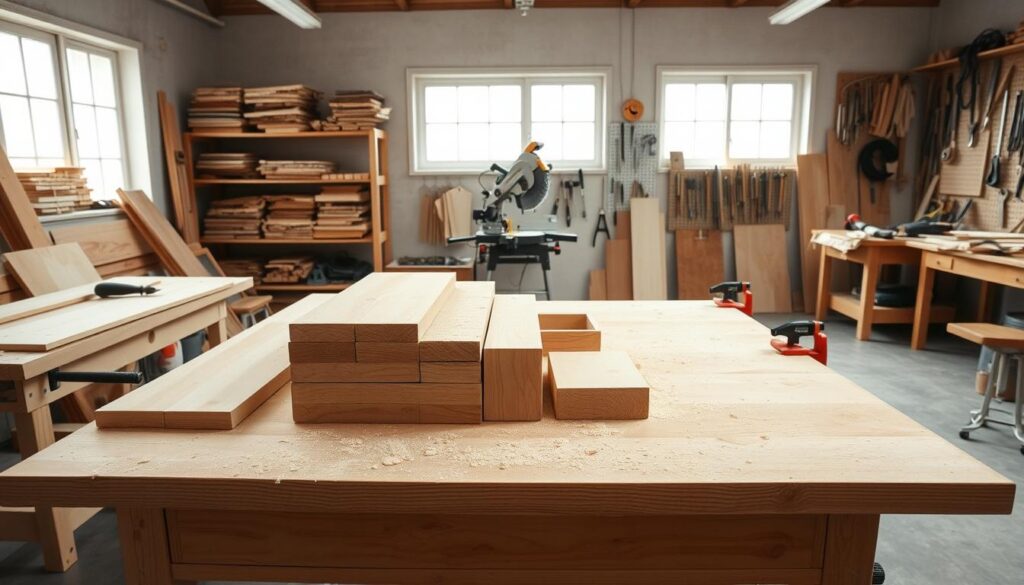
When selecting pine or other wood boards, carefully inspect each piece for straightness. Avoid boards with warping, large knots, or cracks that could affect your final surface.
Staining and Polyurethane Finishing Techniques
Apply wood stain generously with a clean rag, working in the direction of the grain. Allow the stain to penetrate for the recommended time before wiping off excess.
Stain all sides of each board, including backs and ends, even if they won’t be visible. This prevents having to disassemble and restain later.
After stain dries completely, apply polyurethane using smooth, even strokes. Use at least two coats with light sanding between applications for a durable, professional finish.
DIY Coffee Table IKEA Hack: Transform Affordable Furniture
This stage transforms individual components into a cohesive finished piece through systematic assembly. The method ensures structural integrity while achieving your desired aesthetic.
Step-by-Step Assembly Procedures
Begin by marking the center point of your surface. This reference guides proper board placement. Work with one piece at a time for precision.
Apply adhesive to the back of each board, avoiding the ends. Leave about 3/4″ clearance on each side. This prevents messy overflow when boards overhang the edges.

Gluing, Clamping, and Securing the Boards
Position your first board in the center location. Ensure equal overhang on both ends. Immediately clamp each end to prevent movement.
Flip the entire unit over to access the underside. Install two screws through the original surface into each board end. This temporary fixation holds everything during glue curing.
Work outward from the center, alternating sides. Repeat the gluing and clamping process for each subsequent board. Maintain tight spacing between pieces.
The adhesive forms the primary bond while screws provide reinforcement. Allow the assembly to cure overnight with weight applied. This ensures flat surfaces and maximum strength.
Applying Finishing Touches to Enhance Your Style
Final details can elevate your piece from functional to extraordinary, showcasing your unique vision. This phase brings together all your hard work into a cohesive final product.

Incorporating Rustic and Farmhouse Details
When you flip your completed project right-side up, you’ll see a beautiful surface with seamless wood planks. No visible hardware creates a clean, professional appearance.
The natural wood characteristics combined with your stain choice create authentic warmth. This rustic aesthetic brings texture that complements various design approaches beautifully.
Embrace the natural aging process of softer wood species. Scratches and wear marks actually enhance the lived-in character that defines this appealing style.
Final Sealing and Protective Coatings
Apply a final protective topcoat after assembly for maximum durability. This step is crucial for pieces that will experience regular use.
The sealing process ensures your creation maintains its beautiful look for years. It protects against spills, scratches, and everyday wear while preserving the wood’s natural beauty.
Your finished piece should reflect both beauty and functionality. Let it develop its own unique patina over time, embracing the philosophy that well-used items have the most character.
Using Impact Drivers for a Secure Build
When securing wood boards from underneath a surface, you need a tool that delivers consistent power without stripping screws. An impact driver excels in this situation where traditional drills often fall short.

The rotational impact force creates a hammering action that pulls boards downward. This ensures a flush, gap-free fit against your surface.
Benefits Over Traditional Drills
Standard drills can slip out of screw heads or fail to drive screws completely. Impact drivers maintain consistent contact throughout the process.
Their compact design makes maneuvering between table legs much easier. You’ll appreciate this when working on the end points of each board.
The Ryobi Cordless Impact Driver offers excellent performance at a reasonable price. Many experienced creators recommend this specific model for home projects.
You’ll drive approximately 30-50 screws for this piece. The impact mechanism reduces user fatigue significantly compared to standard tools.
This project provides excellent justification for adding an impact driver to your collection. The time savings and superior results make it worth the investment.
Your finished creation will maintain structural integrity for years. Proper fastening ensures every component stays securely in place.
Creative Variations and Customization Ideas
Your creativity doesn’t have to stop with the basic wood plank design—there are countless ways to personalize your creation. These modifications let you tailor each piece to your specific needs and aesthetic preferences.
Repurposing Other IKEA Pieces
Think beyond traditional coffee tables when planning your next project. The LACK side table has become legendary in creative communities with over 36 documented transformations.
You can transform benches into matching tables or use shoe racks for slatted designs. Even bed bases from the as-is section can become modern centerpieces for under $10.
Adding Unique Storage and Decorative Elements
Create additional storage by stacking multiple LACK tables vertically. This clever idea maximizes your living space while maintaining style.
Consider wrapping surfaces in sisal rope for coastal vibes or applying marble contact paper for elegant appearances. These simple hacks completely transform the character of your pieces.
The beauty of these variations lies in their adaptability. Once you understand basic techniques, your imagination becomes the only limit to what you can design.
Infusing Color and Texture with Paint and Paper
Moving beyond natural wood finishes opens up a world of creative possibilities through strategic use of paints and decorative papers. These materials allow you to completely redefine your piece’s character without structural changes.
The right combination can transform a simple surface into a focal point that reflects your personal aesthetic. This approach offers flexibility for seasonal updates or complete style overhauls.
Selecting the Right Palette for Your Home
Your color choices should complement your existing room elements. Pull inspiration from artwork, textiles, or architectural features already present in your space.
Spray paint provides smooth, professional coverage in minutes. Metallic finishes like gold or silver create glamorous accents without brush marks.
Adhesive paper offers commitment-free experimentation. Marble patterns or wood grain films add instant texture that you can remove when ready for change.
| Technique | Best For | Application Time | Commitment Level |
|---|---|---|---|
| Spray Paint | Metallic finishes, smooth surfaces | Quick (30-60 min) | Permanent |
| Contact Paper | Patterns, temporary updates | Fast (15-30 min) | Removable |
| Two-Tone Paint | Geometric designs, modern looks | Medium (2-3 hours) | Permanent |
| Chalk Paint | Vintage, distressed finishes | Long (4+ hours) | Permanent |
Consider painted borders or contrasting edges for definition. These details make even basic pieces appear custom-designed and substantial.
Your final design should harmonize with your room’s overall style. This ensures your customized creation enhances rather than clashes with your established decor.
Integrating Farmhouse and Modern Home Decor Trends
Modern farmhouse design successfully bridges the gap between contemporary simplicity and traditional warmth. This approach creates spaces that feel both current and timeless throughout your living area.
The beauty lies in combining clean lines with textured, natural materials. Your transformed piece becomes the perfect centerpiece for this balanced aesthetic.
Balancing Minimalism with Rustic Charm
When styling your room, maintain equilibrium between rustic wood elements and cleaner modern pieces. This prevents overwhelming your space with too much of either look.
Pair your creation with a sleek sofa in neutral tones. Add contemporary artwork while incorporating softer touches like woven baskets and linen textiles.
Create visual continuity by repeating similar finishes throughout your home. If your piece features dark walnut stain, incorporate that same wood tone in other areas.
| Design Element | Farmhouse Contribution | Modern Contribution | Balanced Result |
|---|---|---|---|
| Materials | Natural wood, texture | Sleek metals, glass | Warm minimalism |
| Color Palette | Earthy tones, warmth | Neutral shades, cool tones | Harmonious contrast |
| Furniture Lines | Distressed, character | Clean, geometric | Structured charm |
| Accessories | Vintage, organic | Sleek, contemporary | Layered personality |
This design philosophy works beautifully in open-concept layouts. Your living area flows seamlessly into kitchen and dining spaces without dramatic style shifts.
The finished piece should harmonize with your established decor. This ensures your customized creation enhances rather than clashes with your overall home aesthetic.
Troubleshooting Common DIY Challenges
Even experienced creators encounter challenges that require practical solutions during their projects. Understanding how to prevent and address common issues ensures your finished piece meets quality standards.
Addressing Wood Warping and Glue Issues
The most critical step for avoiding warped surfaces begins at the lumber yard. Carefully inspect each board by sighting down its length and laying it flat on the floor. Reject any pieces that rock or twist.
If you discover minor warping after purchase, clamp the board flat for 24-48 hours in a climate-controlled space. Severely warped boards should be exchanged.
Apply adhesive liberally but avoid the ends when boards overhang your base. This prevents messy cleanup while ensuring strong bonding. Wipe excess glue immediately with a damp cloth to prevent staining issues.
Ensuring a Stable and Even Surface
The overnight curing process with weight applied is essential for flat results. Skipping this step can cause boards to pop up or create uneven surfaces.
If your finished piece develops a wobble, check that all legs contact the floor evenly. Sometimes uneven floors require felt pads or adjustable levelers.
Address loose boards by adding screws spaced 8-12 inches apart from underneath. This secures problematic areas to the base structure effectively.
Remember to stain all wood surfaces before assembly. Forgetting this means visible unstained edges later. Working in humid conditions requires extra drying time for both stain and glue.
Conclusion
Your completed creation stands as proof that personalized home decor doesn’t require professional expertise or unlimited funds. This project demonstrates how basic skills can yield remarkable results that transform your living space.
The techniques you’ve mastered—from material selection to proper finishing—serve as valuable ideas for future endeavors. These skills apply to various storage solutions and other side pieces throughout your home.
Remember that the true value extends beyond financial savings. The satisfaction of creating something with your own hands adds personal meaning to your coffee table and other customized items.
Share your finished transformation with creative communities to inspire others. Your experience might encourage someone to attempt their first DIY hack, beginning their own journey of home personalization.