
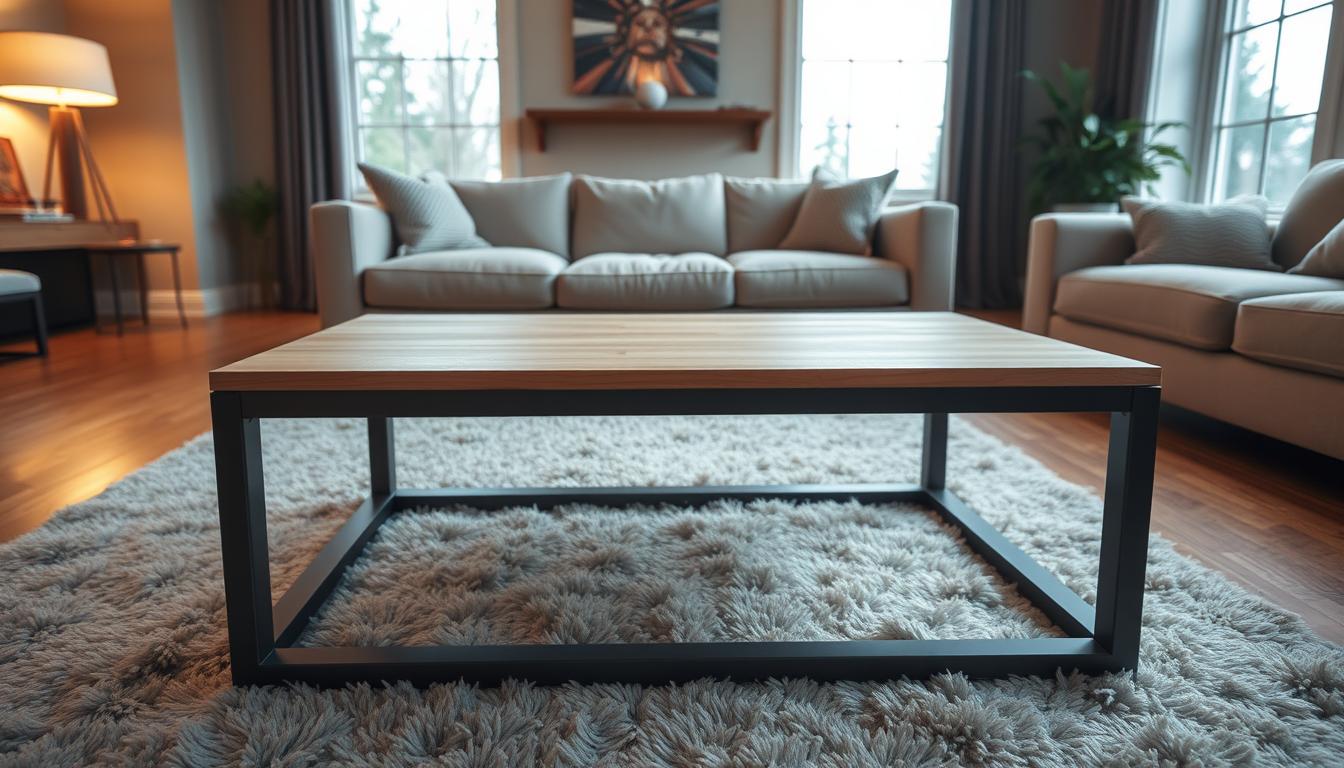
Did you know the average American spends over four hours a day in their living room? This space is the heart of your home, and the centerpiece that often anchors it all is a single piece of furniture.
More and more people are choosing to build their own furniture. This trend lets you add a personal touch to your home without spending a fortune. You can create something that truly reflects your style and needs.
A well-designed centerpiece does more than hold your drink. It becomes a gathering spot for family and friends. It starts conversations and sets the mood for your entire room. With the right project, you can build a functional work of art.
The possibilities are almost endless. You can work with rustic wood and metal for an industrial look. Or try modern designs that mix materials like concrete and glass. Some projects even include clever features like hidden storage or convertible heights.
This guide will show you how to get started. You’ll see that you don’t need to be an expert to create a stunning piece. With some inspiration and basic guidance, you can build a focal point that makes your living area unique.
Key Takeaways
- Your living room is a central part of your home, and the right centerpiece can transform its atmosphere.
- Building your own furniture is a popular way to personalize your space while managing your budget.
- A well-crafted piece serves as both a functional surface and a social hub for gatherings.
- Numerous design styles are achievable, from rustic and industrial to modern and multi-functional.
- Even beginners can successfully complete a project with the proper planning and inspiration.
- Using various materials, including reclaimed wood or concrete, allows for unique and creative results.
- A custom-built item adds significant character and value to your home’s decor.
Inspiration and Creative Design Concepts
Rustic and industrial styles have surged in popularity for their unique blend of warmth and edge. These designs create a focal point with significant character. They balance raw, natural elements with sleek, modern touches.
This approach allows you to build a piece that stands out. It adds a personal touch to your living space.
Rustic and Industrial Style Inspirations
Combining wood and steel creates a stunning rustic industrial vibe. This look offers a perfect balance between rugged charm and modern sophistication. You can achieve an authentic piece for around $100 with smart material choices.
Embrace wood imperfections for added character. The visible grain and knots in a sycamore slab become key design features. These elements catch the eye and make each piece unique.

Pairing a rough wood top with hairpin legs introduces a Mid Century Modern flair. This mix creates visual tension that makes your table a conversation starter. The result maintains its rustic charm while feeling contemporary.
Unique Design Elements and Visual Appeal
Consider unique bases like a tree stump to bring natural beauty indoors. These organic shapes feel grounded and earthy. They offer a striking visual centerpiece for your room.
Leg style dramatically changes the overall look. Industrial metal pipes provide an urban edge. Chunky, sturdy builds highlight wood grain and withstand daily use.
Concrete and wood combinations look classy yet modern. This blend offers industrial edge with natural warmth. Your final piece will have strong visual appeal that complements your decor.
Materials and Techniques for Your DIY Project
Understanding material properties helps you build a table that perfectly suits your space and lifestyle. The right choices ensure your furniture is both beautiful and durable.
Your selection impacts the final look and feel of your entire project.
Selecting the Right Wood and Metal Components
Choose wood that showcases its natural character. Sycamore or live edge slabs offer stunning grain patterns. These materials create a unique table top with visual depth.
Metal legs define your piece’s style. Industrial pipes provide a sturdy, urban base. Sleek hairpin legs add a modern flair to your design.

Consider how components work together. A chunky wood board needs strong support. Proper screws and joinery ensure a stable piece of furniture.
Innovative Uses of Upcycled and Natural Materials
Upcycling is a fantastic way to add character. Reclaimed wood from pallets or old barns tells a story. Each piece brings its own history and patina.
Natural elements like tree stumps or rope create organic warmth. They make your coffee table feel like part of the environment.
Combine materials for striking contrasts. Pair a concrete paver base with a smooth wood top. This blend offers modern industrial appeal.
Prepare edges carefully for a professional finish. Sanding and sealing protect your furniture for years of use in your living space.
Cool DIY Coffee Tables: Creative Builds That Impress – Step-by-Step Guide
A clear plan transforms your vision into a tangible piece of furniture you can build with confidence. This guide provides a detailed tutorial for a classic farmhouse design.
Following precise plans ensures your project succeeds from the first cut. You will create a sturdy and impressive final product.
Planning Your Table Design and Gathering Tools
Start by gathering all materials. For a 46.5″ x 38.5″ table, you need specific lumber cuts for the legs, apron, supports, and top.
Essential tools make the work easier. A Kreg Jig K4 Pocket Hole System is a key investment. It simplifies creating strong joints without complex skills.
You will also need a miter saw, drill, and sander. Having everything ready saves time and prevents interruptions.

Detailed Build Process and Construction Tips
Begin assembly by attaching the apron boards to the legs using 2″ pocket hole screws. Use a scrap wood piece as a spacer for a perfect inset.
Next, measure and cut the support boards to fit between the aprons. Secure them with 1.25″ screws.
For the top, line up the boards and place the frame upside down on them. Drill screws through the supports into each board. Kreg Jig screws with washer heads pull the wood tightly together, preventing gaps.
Finishing Touches: Staining, Weathering, and Personalization
Sand the entire piece thoroughly. Round the edges for a comfortable, timeworn feel.
Add character by distressing the wood with a rock or hammer. This creates authentic marks and indents.
Apply a stain like Minwax Dark Walnut to enhance the wood grain. Seal it with a dark wax for protection and a rich look. This entire project can be completed in an afternoon.
Enhancing Your Living Space with DIY Coffee Tables
Your new table transforms from a project into the heart of your living space. This piece becomes the anchor point that ties together your entire seating arrangement. It influences furniture placement and creates natural traffic flow.
Integrating Your Table into a Modern Living Room
Balance rustic or industrial styles with contemporary decor. Pair wooden tables with clean-lined sofas and minimalist accessories. This creates visual cohesion throughout your room.
Match your table’s materials to other furniture pieces. Coordinate wood tones with side tables or echo metal elements in lighting. This strategy creates effortless flow in your living area.
Your table serves multiple functions beyond holding drinks. It becomes a gathering point for conversations with friends. It also works as an activity center for family games.
Use complementary decor to frame your table. Area rugs, throw pillows, and plants highlight it as a central element. Lighting enhances textures and materials for evening ambiance.
Consider practical sizing relative to your sofa. Ensure proper height for comfortable use and clearance for movement. Your custom piece brings warmth to rooms with cool color schemes.
This integration creates inviting environments where people feel comfortable gathering. Your home becomes a welcoming space for making memories.
Conclusion
The final piece of your furniture journey represents more than just a surface – it’s a testament to your personal craftsmanship. You’ve explored the complete process from initial design concepts through material selection and construction techniques.
Your completed project serves dual purposes in your living area. It functions as both a practical surface for daily use and a decorative centerpiece that anchors your room’s design. This piece becomes a gathering point where memories are made with friends and family.
The skills you’ve developed open doors to future furniture projects. The satisfaction of creating something functional with your own hands builds confidence that store-bought items cannot match. Your unique creation reflects personal style while enhancing your home’s decor.
Whether you chose rustic industrial designs or modern minimalist lines, your finished table proves impressive furniture doesn’t require expensive purchases. Take this knowledge and begin transforming your space one project at a time.