

Did you know the average American living room contains over 25 small items cluttering surfaces? Remotes, magazines, and throws often create visual chaos. This guide tackles that exact problem.
You can create a beautiful centerpiece for your home that also conquers clutter. A custom piece offers a smart solution for keeping essentials organized yet within easy reach.
This project is designed for various skill levels. Whether you are new to woodworking or have experience, you will find an approach that fits. We explore designs like lift-top lids and sliding trays.
Our focus is on combining form and function. The result is a durable, professional-looking piece that maximizes your available area. It transforms a compact living space into a more organized and spacious environment.
Key Takeaways
- Building a custom piece can maximize functionality and aesthetic appeal in your home.
- This guide provides solutions for common storage challenges with items like remotes and blankets.
- Learn about various design approaches, including lift-top mechanisms and sliding trays.
- The project is adaptable for different skill levels, from beginner to advanced.
- Gain confidence through planning, material selection, and professional construction techniques.
- The finished product will be a durable, multi-purpose centerpiece for everyday use.
Getting Started: Planning Your Space-Saving Coffee Table
The foundation of any successful woodworking endeavor begins with careful planning. Thoughtful preparation eliminates guesswork and builds confidence throughout your construction process.
Materials and Tools Overview
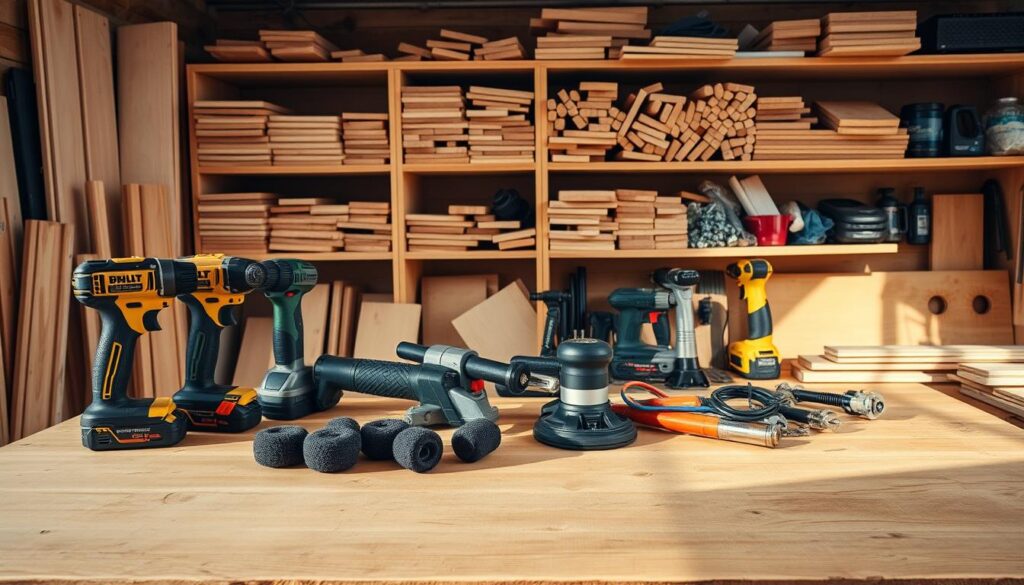
Gathering appropriate materials is your first critical step. Your wood selection ranges from budget-friendly pine to durable hardwoods like oak. Essential tools include various saw types for precise cutting.
You’ll need specific hardware like drawer slides and magnet locks for functional storage. Power tools ensure efficient assembly while hand tools provide precision. Proper materials and tools make your project smoother.
Measuring and Layout Considerations
Accurate dimensions are crucial for proper fit and function. Measure your existing furniture and room traffic patterns carefully. Your table height should align with your sofa seat for comfort.
Create detailed plans with cut lists before making any cuts. This helps visualize the construction process and estimate costs. Proper dimensions prevent surprises during assembly.
Consider using scaled drawings or 3D modeling tools for complex plans. This ensures your final design functions properly in your space. Thoughtful layout guarantees your table meets both aesthetic and storage needs.
Design Inspiration and Hidden Storage Solutions
Modern living demands furniture that adapts to our changing needs throughout the day. The right design can transform your living area into a more organized and versatile space. You have several innovative approaches to consider for your project.
Exploring Lift-Top and Sliding Tray Concepts
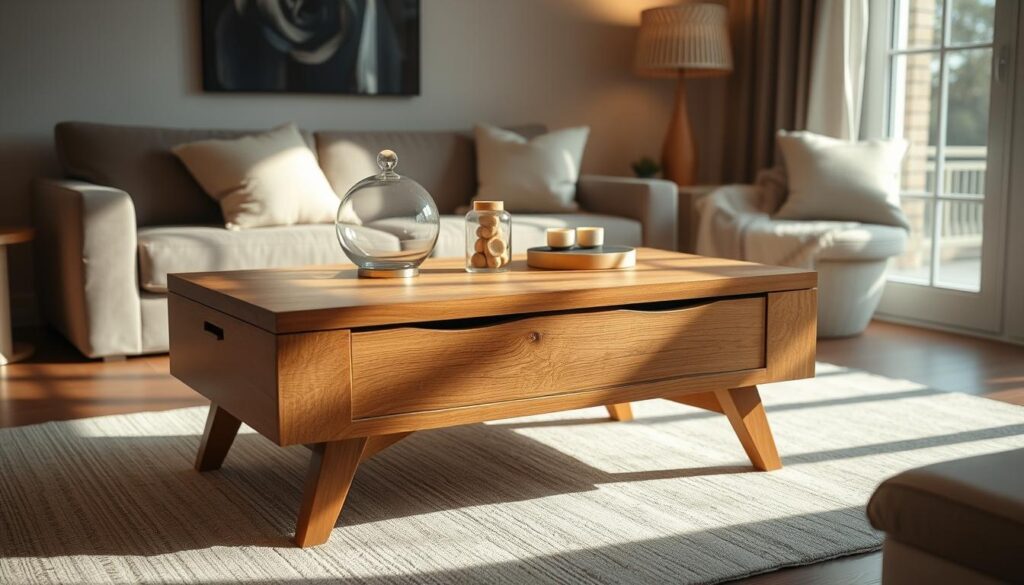
Lift-top mechanisms create a seamless transition between casual use and functional workspace. Gas spring kits allow the surface to rise smoothly, revealing concealed compartments beneath. This design keeps your essentials organized yet accessible.
Sliding tray concepts offer a simpler alternative. They use standard drawer slides mounted underneath portions of the top. This creates accessible storage without complex hardware installation.
Incorporating Nested Tables and Fold-Out Extensions
Nested configurations provide exceptional flexibility for entertaining. Smaller tables pull out from the sides to expand your surface area. They tuck away neatly when not needed, maintaining a compact footprint.
Fold-out extensions work well in studio apartments. Hinges and locking support legs enable the piece to unfold into larger surfaces. Careful hinge placement ensures proper weight distribution for dining use.
Your design plans should complement your existing décor style. Consider how each option maximizes your available space while meeting your storage needs.
DIY Coffee Table with Hidden Storage: Clever Space-Saving Build
Your living room deserves a centerpiece that works as hard as you do. This specific design combines clever engineering with practical organization solutions. It addresses real challenges without sacrificing style or functionality.
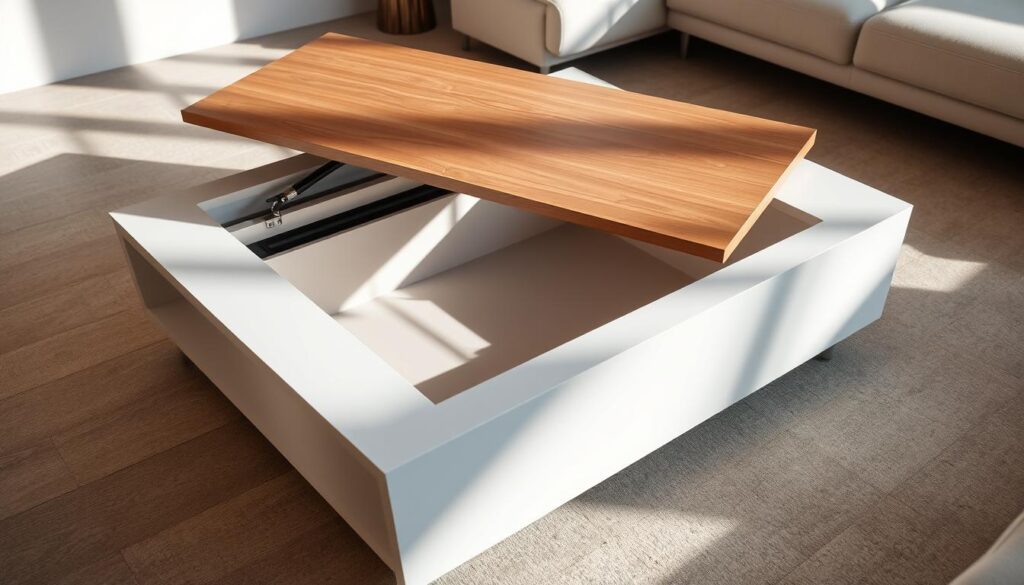
Strategically placed compartments remain invisible during normal use. They maintain clean lines and an uncluttered appearance. Yet they provide ample room for storing everyday items that typically create mess.
Building your own custom piece offers significant advantages. You can tailor dimensions precisely to your room’s layout. Material selection lets you match existing furniture perfectly.
This approach proves particularly valuable in compact living areas. Apartments and condos benefit greatly from multi-functional furniture. Every square foot matters in these environments.
The investment of time yields a piece customized to your exact specifications. You often achieve this at lower cost than purchasing ready-made alternatives. The result reflects your personal style and capabilities.
Hidden features transform a simple surface into an organizational hub. They help maintain a tidy environment by providing dedicated spots for clutter. This project demonstrates how thoughtful design solves common home storage problems.
Detailed Construction Process
This hands-on phase requires methodical execution to ensure structural integrity and smooth operation. Each step builds upon the previous one, creating a solid foundation for your furniture piece.
Building the Framework and Assembling the Tabletop
Begin by constructing the framework using precise cuts. Attach the legs to the sides with wood glue and screws for maximum strength.
Cut your plywood to exact dimensions for the top and bottom surfaces. Use a table saw or circular saw for clean edges.
Installing Drawer Slides, Magnet Locks, and Hidden Compartments
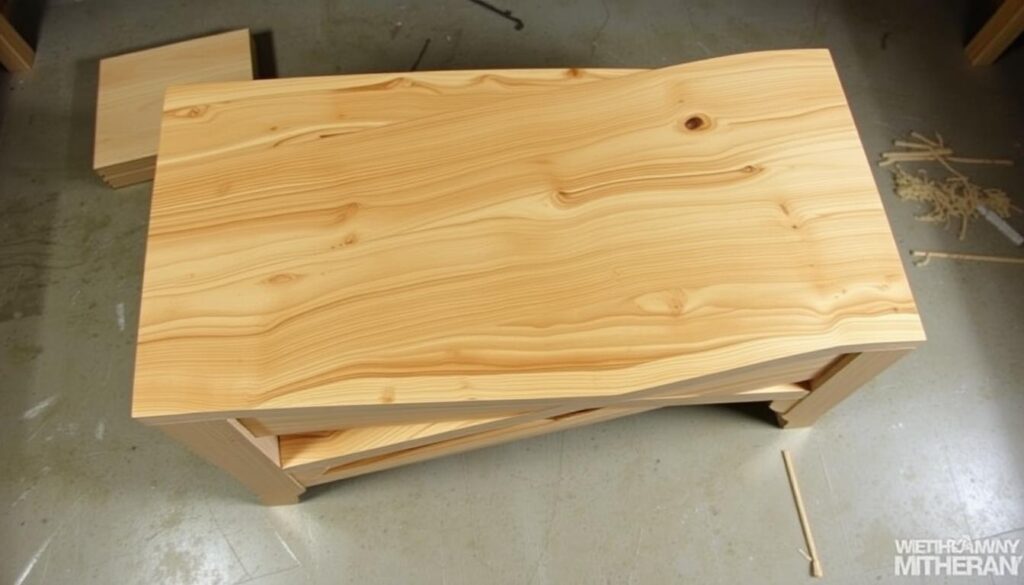
Position drawer slides carefully, testing alignment before securing them permanently. Install magnet locks to keep compartments securely closed.
Add trim pieces to conceal hardware while maintaining clean lines. This step ensures professional-looking results.
Applying Woodburning, Staining, and Finishing Touches
Sand all surfaces thoroughly before applying your chosen stain. Work with the wood grain for even coverage.
Allow proper drying time between coats. The final finish protects your work and enhances its appearance.
Essential Tips for a Professional Home DIY Project
Achieving a polished, professional result requires more than just following construction steps. It involves a mindful approach to safety, material handling, and anticipating potential challenges. These insights will help you navigate the process smoothly.
Tools, Safety, and Handling Materials
Your safety is the most important thing. Always wear safety glasses and hearing protection when operating power tools. Keep your workspace well-lit and organized to prevent accidents.
Selecting the right materials is crucial for your home project. Kiln-dried lumber prevents warping. Pine plywood is a forgiving choice for beginners.
Proper tool technique ensures clean cuts. Support your workpiece firmly. Use a guide when breaking down large panels.
Troubleshooting and Overcoming Common Challenges
Even the best plans can encounter hiccups. A common issue is wobbly legs. First, check if your floor is level. Then, ensure all legs are identical in length and joints are square.
If drawer slides bind, verify they are mounted perfectly parallel. Minor adjustments can often fix alignment problems. For gaps in joints, wood filler can provide a seamless fix.
Patience is your greatest tool. Test-fit everything before making permanent connections. Taking your time at each stage leads to superior results you will be proud to place in your home.
Conclusion
As you place the final piece into position, you’ve transformed raw materials into a functional work of art. Your journey from initial plans to completed project demonstrates what’s possible with careful attention to detail. The satisfaction of creating something with your own hands is truly rewarding.
The skills you’ve developed—precise measuring, cutting wood, and applying the final finish—will serve you well in future endeavors. Each step has built your confidence and technical ability. These competencies transfer directly to other home improvement projects.
Your new coffee table seamlessly blends style and utility. The clean lines and professional finish create a beautiful centerpiece for your living space. More importantly, it solves real organizational challenges while maintaining aesthetic appeal.
This project represents more than just furniture construction. It’s a testament to your growing capabilities in woodworking. The techniques you’ve mastered here provide a solid foundation for countless creative pieces to come. Well done on reaching this significant milestone in your DIY journey.