
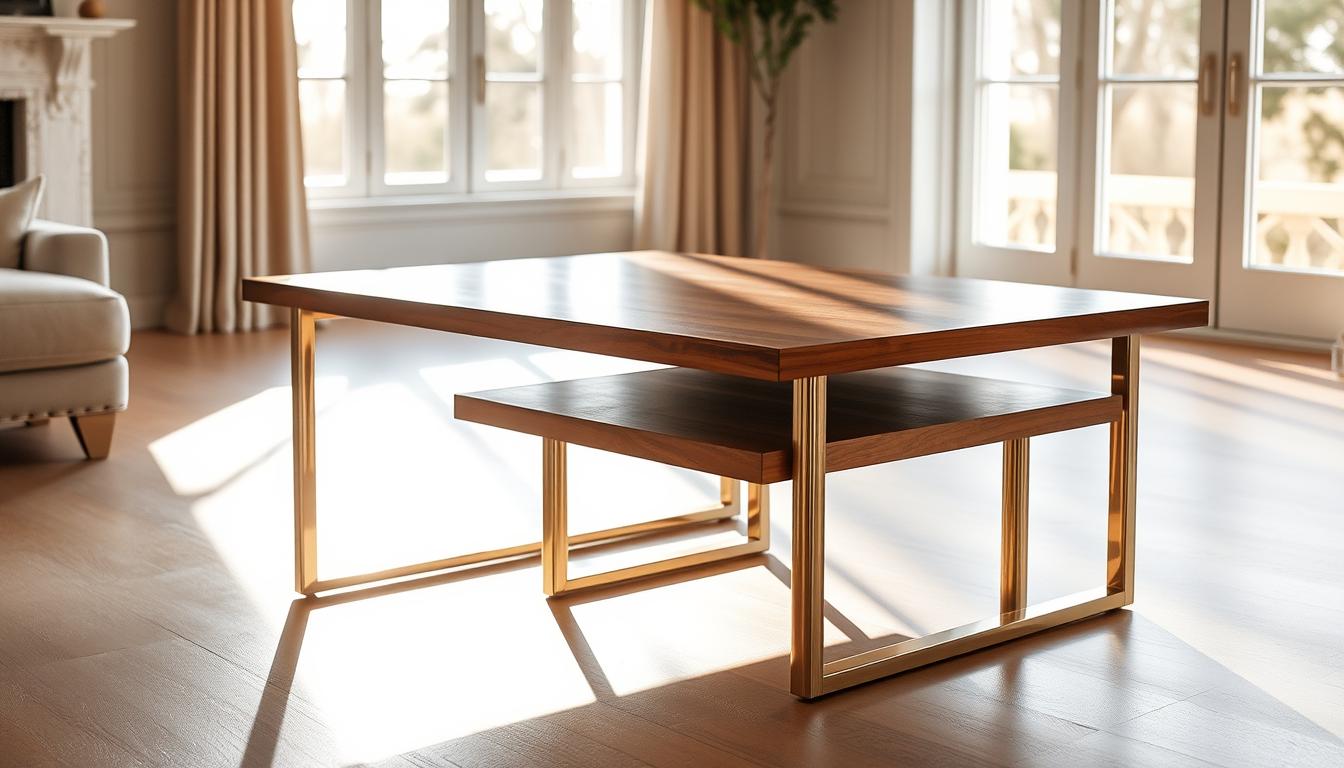
Surprising fact: many living rooms gain usable surface area with under 20 square inches of extra footprint when you choose a compact table pair. That small gain can change how you host and relax.
You get a clear view of why this two-piece option is a smart, stylish upgrade for your living room. A coordinated pair gives more surface without crowding the space. You can place drinks, books, and remotes within reach while keeping a cohesive style.
The design works as a centerpiece when nested and turns into two independent pieces for movie nights, work sessions, or weekend entertaining. We preview the key selection factors you should weigh now — dimensions, height versus seating, materials, durability, color, and price — so you move from browsing to confident choice.
Expect clear product page content next: material specs, care tips, easy assembly notes, and shipping details. This pair packs value into a compact footprint, giving the look and function of larger layouts without bulk or visual clutter.
Key Takeaways
- A coordinated pair adds usable surface while keeping your living room airy.
- The duo nests for a tidy centerpiece and separates for flexible use.
- Check dimensions, height, materials, and color to match seating and rugs.
- Price and durability matter for long-term value.
- Product pages should include specs, care, assembly, and shipping details.
Why Choose a Two-Piece Nesting Coffee Table Set for Your Living Room
A compact pair gives you flexible surfaces that adapt as your day changes. In tight apartments and roomy family areas alike, this layout expands function while keeping the floor visually open. You keep a tidy view when the pieces are nested and gain extra reach when you slide the companion out.
Space-saving versatility for small and large spaces
Space-saving versatility
Keep the pair nested as a unified coffee table for a minimal look. Or separate them to flank sofas and extend reach across sectionals.
The compact footprint works well in studio apartments and wide living rooms. It scales to your layout without heavy visual weight.
Separate or stack: how you use them day to day
Daily use and flexibility
You can move the smaller table as a mobile perch for laptops or snacks, then slide it back to reclaim floor space. Dual surfaces help keep remotes and devices off the main top, reducing clutter.
“Two coordinated surfaces make hosting, working, and relaxing simpler.”
- Quickly expand service area for guests.
- Improve ergonomics by placing each table where reach matters most.
- Turn the second piece into a temporary laptop or game station.
Practical furniture choice: this approach gives function without fuss, so your living room feels curated and ready for use.
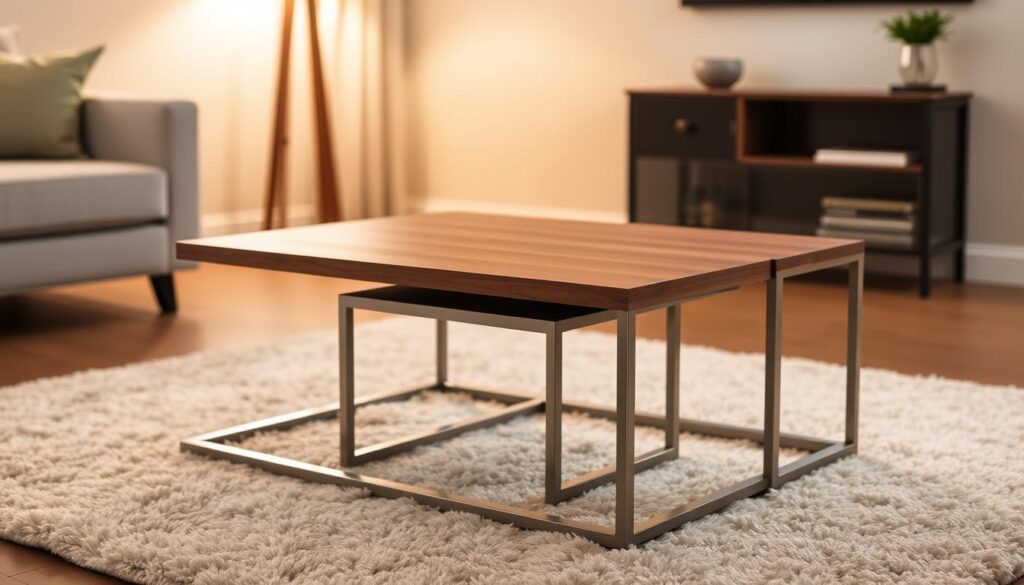
Design Overview: A Cohesive Coffee Table Pair That Works Hard
This coordinated pair is engineered to read as one sculptural piece when stacked and to perform as two complementary accents when separated.
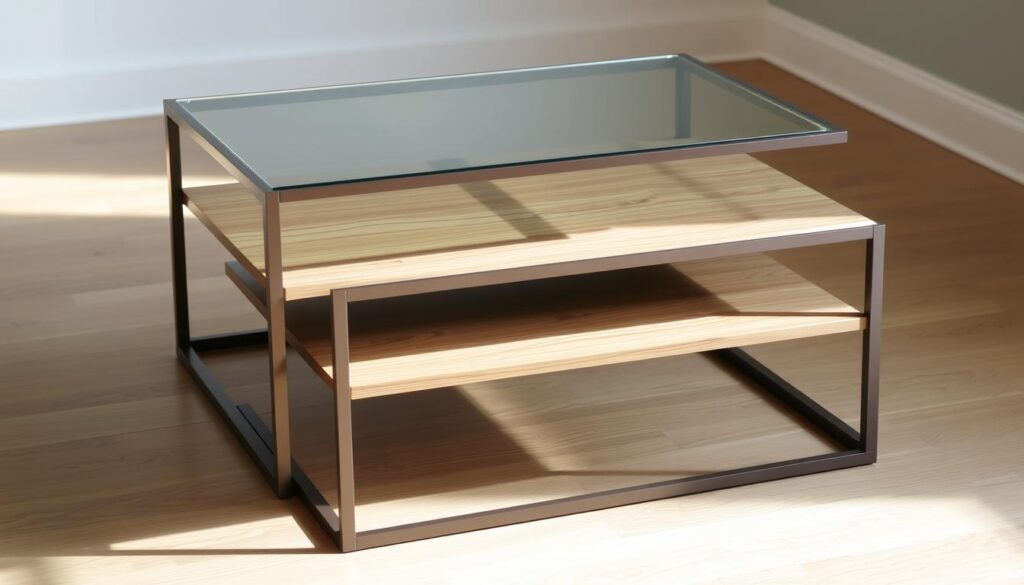
The design favors balanced scale so the tops and leg stances sit comfortably beside sofas and sectionals. That means the set integrates with your room furniture instead of dominating it.
Edges, overhangs, and clearances are dialed in to reduce knuckle bumps and toe stubs. Heights align with seat cushions so you can set down a drink or book without awkward reaches.
Finishes and underside details receive the same care as visible surfaces. Hardware, grain direction, and consistent color tones keep the look polished from every angle.
- Smooth nesting mechanics: offset frames or tapered legs that glide without scraping.
- Surface texture options: matte for low glare, satin for balance, gloss for impact.
- Visual cohesion: matched edges and aligned wood grain for a tailored appearance.
“Finish quality and real-life scale are what reviewers notice first.”
Before you buy: check live reviews and product details for perceived sturdiness, finish durability, and true dimensions to ensure the pair fits your living style and daily needs.
Nested Coffee Tables: Build a Versatile Two-Piece Set
Sliding the smaller top beneath its companion creates layered surfaces that conserve room without sacrificing reach.
What “nesting” means and how it benefits your layout
Nesting means one top slides partly or fully under the other. This creates a layered silhouette that saves floor space and keeps an extra surface ready when you need it.
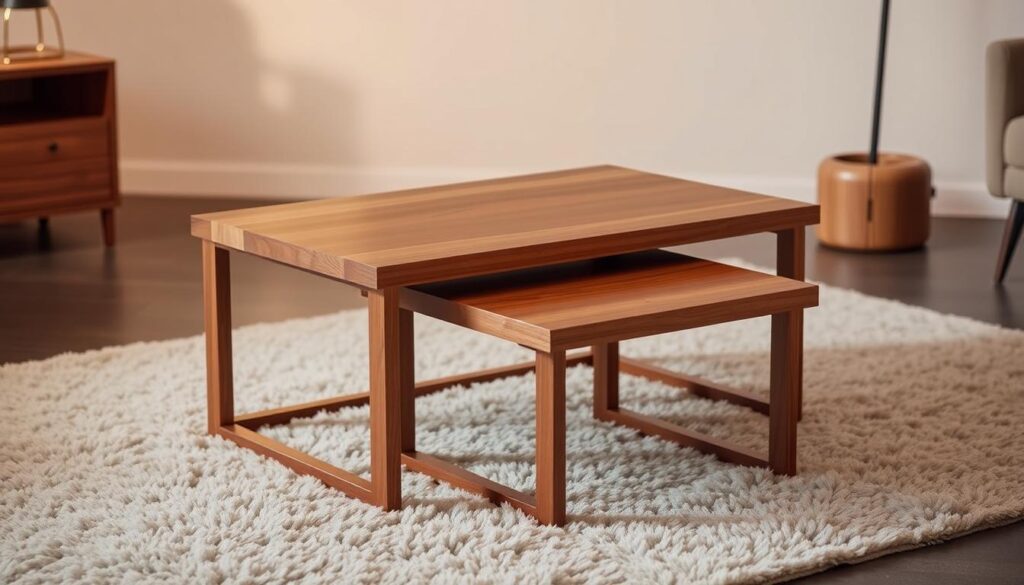
Common shapes: round, square, and rectangular
Round sets soften traffic paths and work well near chaise lounges. Square and rectangular pairs line up with straight sofas and rugs for a cleaner look.
Matching proportions for sofa and sectional depths
Match the larger top to at least one-third to one-half of your sofa length. Keep tops within a couple inches of cushion height for comfortable reach.
“Staggered heights and subtle color contrasts help the pair read like curated decor.”
- Wood tones add warmth and easy upkeep.
- Use a color accent on the smaller top to energize the seating area.
- Measure sofa depth and knee clearance so the smaller piece tucks smoothly.
| Shape | Best use | Visual effect | Recommended dimensions |
|---|---|---|---|
| Round | Traffic-friendly living room corners | Softens lines | 36–42″ / 24–28″ |
| Square | Centered on rugs, balanced layouts | Architectural, neat | 30–36″ / 20–24″ |
| Rectangular | Long sofas, sectionals | Linear, extends reach | 40–48″ / 24–32″ |
Dimensions That Fit Your Sofa and Room
Start by matching the tabletop height and reach to how you actually sit and move in the living area.
Height guidelines relative to seat height
Keep the top within about two inches of your sofa seat height for comfortable reach. This simple rule helps the pair look intentionally proportioned and keeps drinks and remotes easy to reach.
Tabletop reach zones for everyday use
Aim for a reach zone of roughly 16–18 inches from the seat edge to the nearest table edge. That distance prevents awkward leaning and protects knee clearance while still keeping essentials close.
Proportion notes: the larger coffee table should span about 40–60% of your sofa width. The smaller companion needs to clear armrests and chaise depths when angled into position.
In narrow rooms, favor shallower tops so walkways stay open. Leave a few inches of rug border so the pair sits fully on the rug for better stability and visual cohesion.
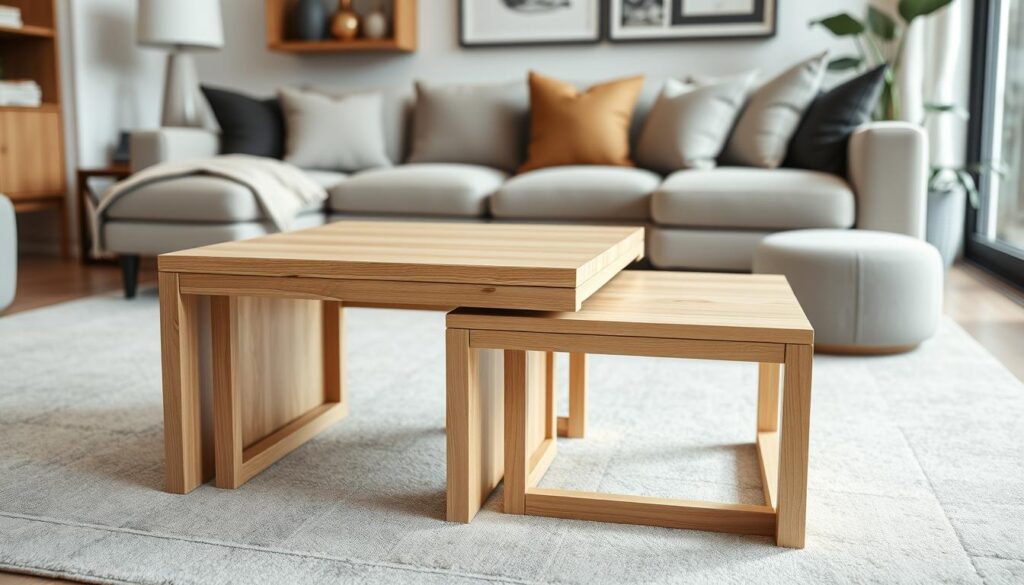
“Choose designs with adjustable glides if you expect occasional assembly tweaks—re-leveling feet removes wobble over time.”
- Check leg angles and base diameters so the smaller table slides under without scraping the larger frame.
- Prioritize depth in tight layouts to keep circulation while offering daily surface area.
Materials & Construction: Built for Everyday Living
Choose materials that stand up to daily life so your living room surface stays useful and attractive.
Wood tops offer warmth and long-term repairability. Solid wood delivers natural character and can be sanded if dinged. Veneers give the look of real grain while keeping cost and weight down. Engineered cores resist warping in humid rooms.
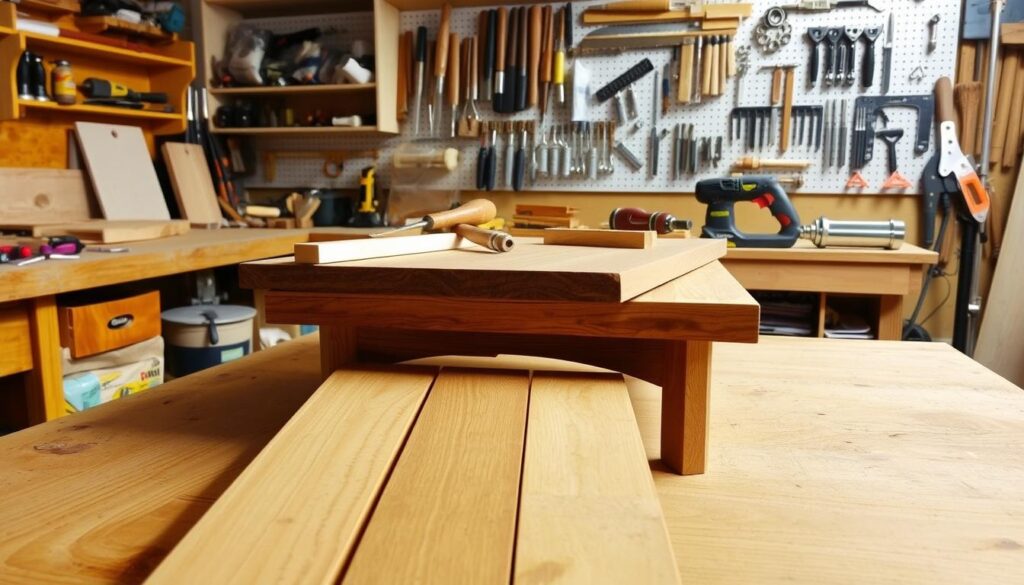
Metal bases and finishes
Metal frames add stiffness and prevent wobble when the smaller piece slides in and out. Powder-coated finishes hide scuffs. Brass or gold tones introduce warmth and pair well with both light and dark rugs.
Glass and stone surfaces
Glass keeps the footprint airy and reflects light, but it needs gentle cleaners to avoid haze. Stone and marble bring luxury and unique veining. Use coasters and felt pads to prevent etching and scratches.
“Check welds, joinery, and underside bracing—these details stop racking from repeated moves.”
- Practical tip: Adjustable levelers and felt pads protect floors and stabilize on rugs.
- Sample price tiers: Maylin glass-and-gold $195.00; Bette white-and-gold $255.00; Rodrigo weathered-wood-and-metal $295.00.
- For nesting coffee designs, inspect edge banding, sealed finishes, and hardware to reduce water rings and wear.
| Material | Advantages | Considerations | Price example |
|---|---|---|---|
| Solid wood | Repairable, warm patina | Heavier; can dent | Rodrigo $295.00 |
| Veneer/Engineered | Stable, cost-effective | Edge banding matters | Bette $255.00 |
| Glass | Light, shows floor & light | Shows fingerprints; fragile | Maylin $195.00 |
| Stone/Marble | High-end look; unique veins | Can etch; heavy | Varies widely |
Style & Finish Options to Complement Your Home
Style choices and finish details determine whether the pair reads light and modern or warm and nostalgic.
Modern silhouettes emphasize clean planes and slim bases. Mid century profiles bring tapered legs and warm wood tones that pair well with iconic seating.
Color stories guide the mood: natural wood warms, black reads crisp, white lightens, and gold adds refined contrast. Coordinating color across tables and seating builds visual cohesion in your living room.
Choose matte finishes if you prefer minimal calm. Pick satin sheens to add subtle light play and to pair with metallic accents. These options change perceived scale: thin edges feel lighter; chunkier tops feel grounded.
When you review product photos and finish samples, check true tone against your rug and sofa. Good product content shows close-ups and in-room shots so you can make the right choice.
“Mix complementary finishes—like a wood top with a black base—to add depth without visual clutter.”

Use Cases: Coffee Table, Side Table, or End Table
Think of the second top as a mobile landing pad for drinks, books, and devices during gatherings. You get surface flexibility without adding bulky furniture, and it keeps your living area tidy when the event ends.
Slide-out serving surface for entertaining
Slide the smaller table out to serve drinks and snacks, then tuck it back under to clear floors quickly. This move makes hosting easier and keeps pathways open during busy gatherings.
Split the pair as flanking end tables
Separate the pieces to act as matching end table stands beside a sofa. They create balanced lamp spots and keep remotes and reading material within reach.

Flexible placement in apartments, studios, and condos
In compact layouts the mobile table doubles as a side table for work or dining in front of the TV. When you’re done, park it neatly beneath the main surface to save space.
Angle the smaller top toward a chaise or beside an accent chair to form a personal perch. For parties, distribute the tops across conversation clusters so guests have multiple landings for glasses.
“Stack, straighten, and you’re done — the nested configuration makes resetting your room quick.”
- Practical use: keeps floors open when foot traffic rises.
- Adapts across seating types for targeted convenience.
- Helps you manage clutter without sacrificing service area.
Two-Piece vs. Three-Piece Nesting Tables: Which Should You Choose?
When you weigh options, the number of pieces changes how the grouping feels and functions in your room.
Two-piece options like the Bette 2-piece white and gold ($255.00) or the Maylin round glass pair ($195.00) keep the silhouette simple. They are easier to move, clean around, and store. If you host occasionally, a smaller grouping often covers your needs with less fuss.
Three-piece designs such as the Belcourt square trio (Natural and Black, $285.00) add modular flexibility. You get extra service surfaces for larger gatherings or multiple seating zones. The trade-off is visual complexity and more nesting clearance needed in tight rooms.
Consider these factors when making your choice:
- How often you host and how many surfaces you actually use.
- Footprint and storage — a third piece needs extra nesting space.
- Material upgrades versus price — glass, metal, or wood affect durability and cost.
- What user reviews note about stability, scale, and scratch resistance.
“Start with a smaller pair if you’re undecided; you can always add a coordinating accent later.”
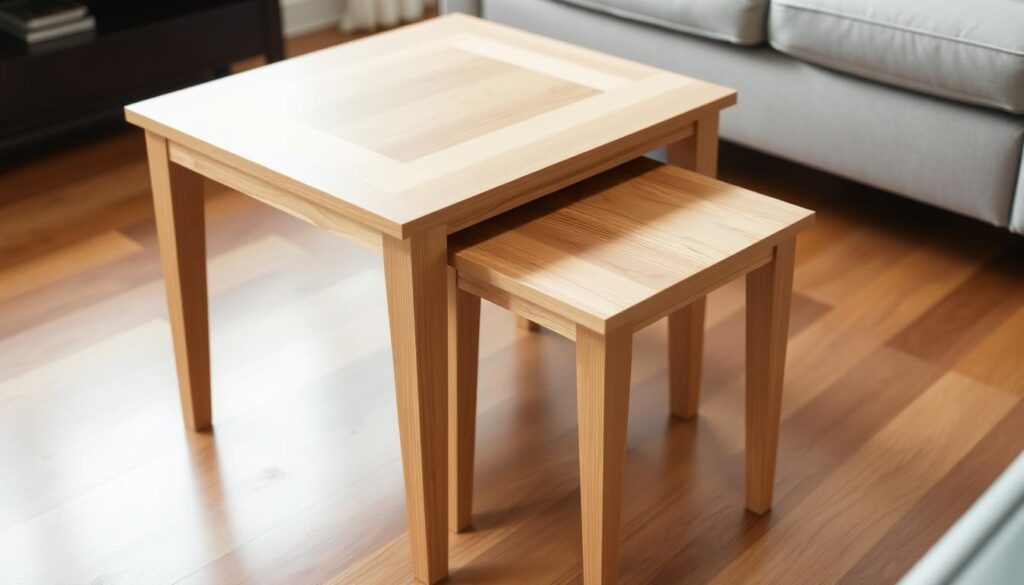
Set Configuration Ideas for Everyday and Hosting
Small moves—angle, slide, or split—let these tops change function in seconds without disrupting flow.
L-shaped layouts for sectionals
For sectionals, angle the smaller table into the L to bring surfaces closer to the chaise without blocking legs. Slide it back when you need open space for foot traffic.
Staggered heights for layered decor
Stagger heights to add a curated, layered look. Display decor on the higher surface and keep the lower one clear for coffee and remotes.
If your living room is long, split the pieces to anchor two seating clusters. Reunite them for movie nights to centralize snacks and games.
Use color contrast to add depth: a lighter secondary table beside a darker main surface draws the eye and helps guests spot where to place a drink.
In mid century-inspired rooms, pair tapered bases with rounded tops and rotate the smaller table slightly for an asymmetric composition that still nests neatly.
“When hosting, position the secondary table near the busiest seat so the person farthest from the main top still has a landing zone.”
- Keep pathways clear by aligning edges with the rug border to prevent crowding near the sofa end.
- For everyday routines, designate the smaller surface as a work perch, then tuck it back to reset your room quickly.
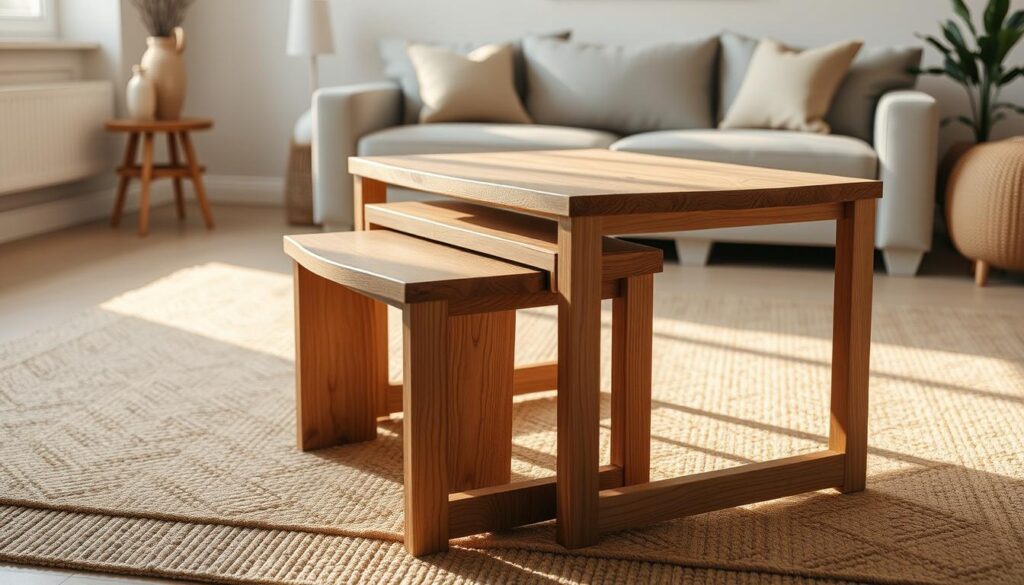
| Situation | Action | Benefit |
|---|---|---|
| Sectional chaise | Angle smaller piece into the L | Improved reach without blocking legs |
| Long living room | Split pieces across seating clusters | Balanced zones for conversation and viewing |
| Entertaining | Place secondary near busiest seat | Guests have easy landing spots for drinks |
| Daily use | Use smaller top as work perch, then tuck | Quick reset and clutter control |
Assembly Made Simple
A fast, fuss-free assembly gets your new living room surface ready without stress or surprise.
What’s typically included and what you may need
Most packages arrive with labeled parts, hardware, and basic tools. First, scan the instructions to confirm all items are present before you begin.
Tip: Lay out parts in groups so you can find screws and brackets quickly. Dry-fit leg frames and tops without tightening fully. This makes alignment simple and saves time.
Quick tips to prevent wobble and protect floors
- Alternate tightening screws in a crisscross pattern to seat joints evenly and reduce the chance of a rocking table.
- If floors are uneven, adjust levelers on each leg; a quarter turn often removes wobble.
- Use felt pads or rubber caps under each leg to protect finishes, especially on the smaller piece you’ll slide frequently.
- Recheck fasteners after 24–48 hours of use; settling can loosen hardware slightly.
- Keep the instructions and spare hardware in a labeled bag taped to the underside of the larger top for future maintenance and details.
“Dry-fit, then tighten—this sequence prevents alignment surprises and speeds final assembly.”
Care, Cleaning, and Spill Management
A little attention each day prevents most stains, scratches, and finish problems before they appear.
Daily dusting and gentle cleaners by material
Dust daily with a soft, dry cloth. For wood tops, use a slightly damp microfiber then dry immediately to keep finishes even.
For glass, wipe with a lint-free cloth and an alcohol-based cleaner. Spray the cloth, not the surface, to avoid liquid seeping into seams.
Protective practices to reduce water rings and scratches
Blot spills right away—especially coffee, wine, and citrus—to limit staining and finish harm. Coasters and trays cut water rings dramatically.
On stone or marble, stick to pH-neutral cleaners and follow reseal instructions from the manufacturer. Felt pads under decor prevent micro-scratches.
Teach simple household routines: place hot mugs on coasters and lift planters rather than dragging them. If your table color is light, act fast on pen marks and dye transfer.
“Keep a small kit of coasters, felt pads, and a gentle cleaner nearby for quick touch-ups.”
| Material | Daily Care | Quick Spill Response |
|---|---|---|
| Wood | Slightly damp microfiber, dry wipe | Blot, avoid ammonia cleaners |
| Glass | Lint-free cloth, alcohol cleaner | Wipe dry, spray cloth not surface |
| Stone / Marble | pH-neutral cleaner, reseal per instructions | Blot, use coasters and felt pads |
Durability Details: From Family Rooms to High-Traffic Spaces
In busy family living areas, the right construction prevents wobble and keeps wear low. Look for robust joinery and welded frames so repeated sliding won’t rack the unit over time.
Finish quality matters: catalyzed lacquers protect wood tops from daily scuffs, while powder coating on bases reduces chipping. Rounded edges and thicker tops soften impacts and hold trays, books, or a heavier load without flexing.
Pay attention to review notes about stability on rugs and whether protective pads stay stuck. Those user comments reveal long-term performance more than specs alone.
Protect high-traffic surfaces by using trays for crumbs and to catch spills. Rotate decor occasionally so wear is spread across the surface instead of concentrated in one spot.
- Check that glides are sturdy and replaceable if the smaller companion is moved often.
- Confirm welded seams and corner reinforcement to avoid wobble over months of use.
“Durable construction and thoughtful finishes turn an everyday table into long-term value.”
Customer Reviews and What to Look For
User reviews turn marketing claims into real-world expectations. They help you spot issues that matter in daily use, from wobble on rugs to finish wear under bright lamps.
Stability, finish, and sizing that match your room
Prioritize reviews that test stability on hardwood, tile, and rugs. Look for remarks about how the pieces slide, lock, and re-stack without scraping.
Seek review comments about finish quality. Note scratch resistance on glass, stain resistance on wood, and whether metal frames show fingerprints or chip.
- Scan photos to judge scale next to sofas and sectionals.
- Check for real-life sizing notes that translate inches into reach and comfort.
- Watch for price comments—consistent praise at a given price signals real value.
“Filter reviews by newest first to spot changes in production or packaging.”
Finally, read content about packaging, assembly time, and included hardware. These small details shape your unboxing and long-term satisfaction with your nesting coffee purchase.
Shipping, Delivery, and Returns in the United States
Before you check out, review estimated delivery windows so you know when to expect your order.
Processing times vary by warehouse and stock status. During checkout you’ll see shipping options and estimated arrival dates based on your chosen speed and carrier.
Typical processing times and carrier delivery
Standard orders usually process in 1–5 business days. Expedited options shorten transit but may cost more.
Large furniture shipments sometimes arrive via freight and require a scheduled window. Make sure an adult is available to sign at the end of delivery.
How to inspect items on arrival
On delivery day, check the carton for dents, punctures, or crushed corners. Photograph exterior damage before opening.
Open on a soft surface. Lay out parts and verify the item count against the packing list. Keep packaging until the table is assembled and approved.
If anything is missing or damaged, contact support immediately with photos and order details to speed replacement or return.
- Confirm building access and elevator dimensions for apartment deliveries.
- Keep return windows and restocking rules in mind when you complete your purchase.
| Topic | What to do | Why it matters |
|---|---|---|
| Timelines | Check checkout estimates | Sets realistic arrival expectations |
| Inspection | Photograph damage; verify parts | Simplifies claims and replacements |
| Returns | Save original packaging | Ensures full refund or exchange |
“Photograph cartons and keep packing until you verify the product — it speeds claims and protects your purchase.”
Price, Availability, and Purchase Options
Price isn’t the whole story — factor in shipping, assembly, and expected lifespan when choosing your next living room surface.
Compare value across materials and finishes: glass-and-metal pairs often cost less than stone or solid wood tops. Premium finishes can justify a higher price through improved durability and an elevated look.
Use the product quick view to scan specs fast, then open the full page to check construction, care, and assembly details before you complete a purchase.
Back-in-stock alerts and wishlists
Availability shifts by finish and color. Save the exact item to a wishlist so you get back-in-stock alerts rather than settling for an alternate option.
Low-stock notices and checkout timing
Low-stock banners like “Only 3 left” create urgency during sales. If you want the piece and the price looks right, finish your purchase to lock inventory and delivery windows.
| Feature | Why it matters | Tip |
|---|---|---|
| Select options / Quick View | Speeds comparison | Use Quick View for dimensions and weight |
| Wishlist / Alerts | Tracks exact item | Enable alerts for preferred color or finish |
| Shipping | Affects total cost | Combine orders to save on freight |
“Balance upfront price with long-term value — the right options can reduce returns and keep your living room looking fresh.”
Loyalty and Offers: What to Know Before You Buy
Loyalty perks can lower your final cost and add meaningful extras when you buy furniture for your home. These programs often reward regular shoppers with points, targeted offers, and member-only events.
Quick note: World Market Rewards is voluntary for U.S. residents (excludes Puerto Rico and territories). Members must be 18 or older, keep a working email, and use a unique 10-digit Member ID. By joining you accept program rules, site Terms and the Privacy Policy.
How U.S. loyalty programs generally work
Most programs award points or perks when you shop. Enrollment usually asks for basic account information and agreement to program rules.
- Points convert to discounts or special offers on future purchases of items you want.
- Retailers may run separate credit card promotions with distinct cardholder agreements and terms.
- Expect to provide an email and unique ID so purchases can be tracked and offers delivered.
Why you should review terms, eligibility, and privacy
Before you tap to enroll, read the full details on data usage and opt-in preferences. Promotions can include blackout dates, exclusions, or minimums that affect real savings.
“Check account access so you can tap to view points, saved offers, and bonus events tied to specific categories.”
Tip: Keep documentation for cardholder promotions separate from general loyalty content so you understand limits and benefits clearly.
Conclusion
End your search with a compact duo that adapts from a unified focal point to two practical surfaces in seconds.
You get everyday flexibility: keep the pair stacked as a tidy centerpiece or split them to bring coffee, laptops, and snacks closer to every seat in your living space.
Prioritize proportions that suit your sofa and room, and match materials to your lifestyle. Choose wood, glass, or stone finishes and a color that ties into your room furniture for a cohesive view.
Balance price with build quality; durable coatings, solid joinery, and rounded edges protect against spills and scratches. Follow the assembly instructions, check shipping windows, and scan recent reviews before you add the item to your cart.
With smart material choices and simple care, these tables blend function and design so your living area looks orderly and performs well for years.