
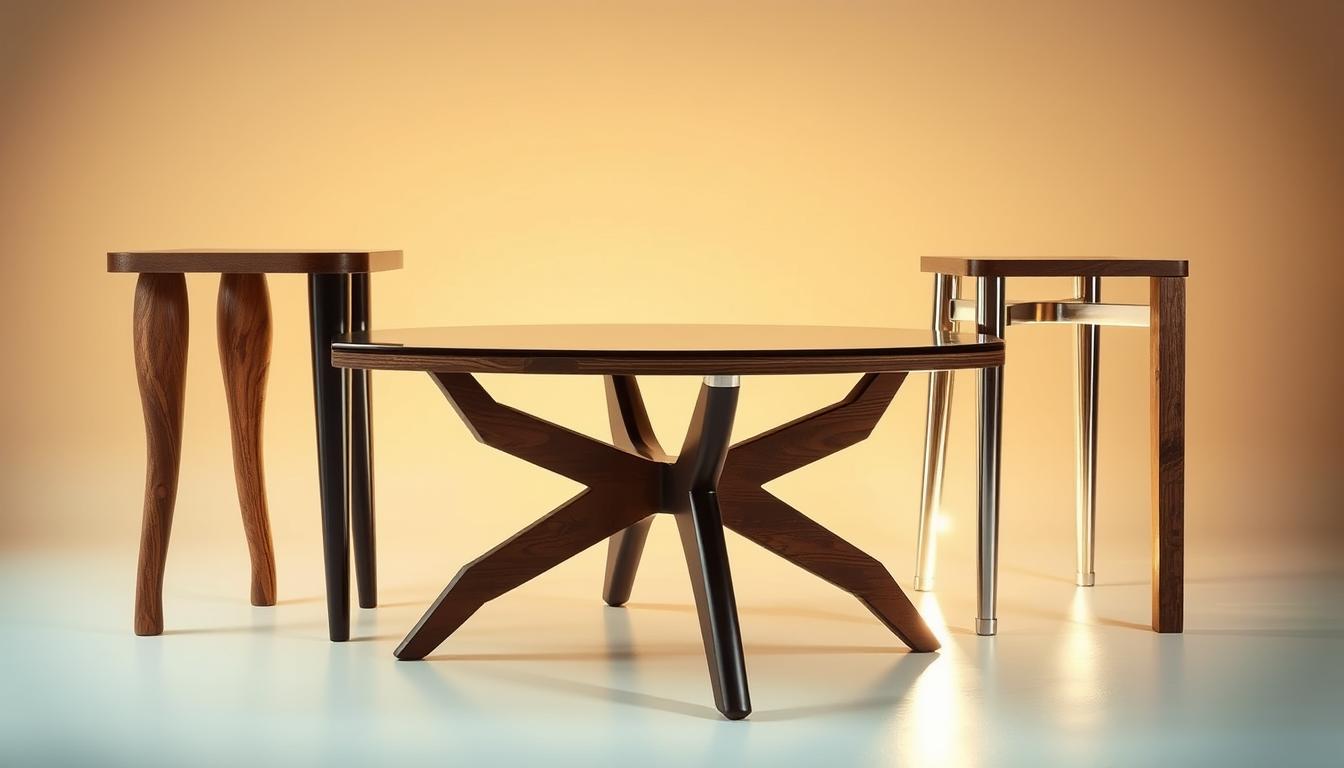
Surprising fact: swapping the base on a coffee table can change how a whole room feels, yet most homeowners never touch this detail.
You can modernize a living room with a simple parts swap that affects height, balance, and visual weight. Standard tops sit near 16–18 inches, and picking 17–19 inches often improves use and comfort.
Choose mixed materials—wood with brass or matte black—or go light with acrylic to open a small space. Unfinished legs let you stain or paint affordably and create a custom match with your decor.
In this guide you’ll learn when to pick wood versus metal, which mounting plates matter, and how finishes change the overall look. The result is a smart, stable furniture upgrade that fits your interior and daily life.
Key Takeaways
- Swapping the base can dramatically update room style with minimal cost.
- Height and mounting hardware affect comfort and stability.
- Mixed materials and clear finishes help balance visual weight in small spaces.
- Unfinished parts offer affordable, custom paint or stain options.
- Select table legs based on load ratings and the top’s size for lasting performance.
Kickstart Your Build: How Coffee Table Legs Define Style, Stability, and Space
A table’s foundation signals style and carries the real weight of daily use. Your choice sets tone, scale, and how the whole room feels at a glance.
Style meets function: what your base says about the living area
Skinny, tall legs can look elegant but may fail under a chunky top. Match leg thickness to the table top for a balanced silhouette and lasting stability. Midcentury tapered legs can clash with a rustic surface, so align aesthetic cues for cohesive decor.
Bolt-on mounting plates make swaps fast. Most hardware fits standard plates, letting you refresh a coffee table without a full rebuild. Consider materials and finish: a dark sheen can anchor a small space, while lighter frames open sightlines around seating.
“Good bases hide heavy work: they should feel deliberate, not accidental.”
| Feature | Best For | Notes |
|---|---|---|
| Thick wood | Heavy tops, rustic coffee table | High strength; warm finish |
| Metal frame | Modern living room, slim tops | Thin profile, strong load rating |
| Open acrylic | Small space, airy interior | Visually light; pairs with ornate tops |
Metal Coffee Table Legs Ideas for a Modern, Durable Look
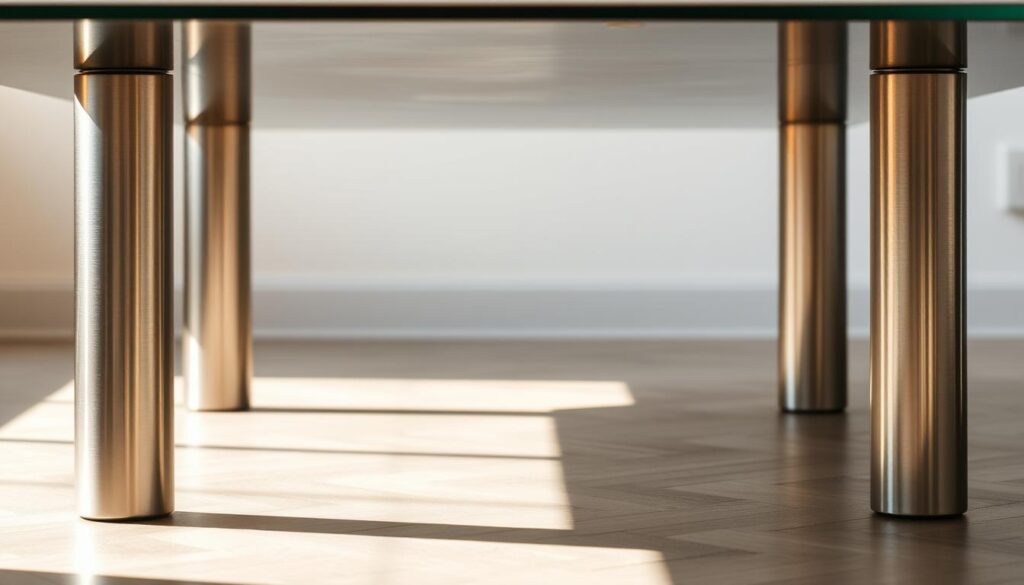
Metal bases give you sculptural freedom while handling real weight. You can pick a slim profile that keeps sightlines open or a bold shape that anchors the seating area.
Notable signature forms include Wishbone, Radix, Curva, and Wineglass. Each offers a different silhouette so you can match scale and tabletop mass. Summa Spider and Norah bring a sculptural presence when you want the base to be a focal point.
Welded frames, trapezoid, and diamond silhouettes
Welded steel frames and trapezoid or diamond supports deliver sleek profiles without sacrificing stability. These shapes brace weight across a wide footprint while remaining visually light.
Finish choices and durability
Powder coat offers excellent scratch resistance for daily furniture. Matte black and brushed steel give distinct tonal options—matte for contrast, brushed for a softer sheen.
- Pre-drill mounting points and protect the top during attachment.
- Align brackets precisely for even load distribution.
- Wipe metal surfaces and check hardware periodically for long life.
| Design | Best Use | Finish |
|---|---|---|
| Wishbone / Radix | Light to medium tops; sculptural focal point | Powder coat, matte black |
| Welded trapezoid / diamond | Heavy tops; slim modern silhouette | Brushed steel, powder coat |
| Summa Spider / Norah | Minimalist rooms; statement anchoring | Matte black or custom powder color |
Wooden Coffee Table Legs That Add Warmth and Character
A well-chosen wooden base can turn a plain top into a room’s focal point. Oak and pine offer distinct benefits, so match the species to how often the furniture will be used.
Solid oak holds up to frequent use and heavy tops. It resists dents and shows rich grain for traditional and transitional styles.
Pine is lighter and easier to shape. It suits casual or cottage looks and works well for smaller side tables or tops that see gentle use.
Solid oak vs. pine: choosing by durability and style
Weigh oak’s toughness against pine’s approachable aesthetic when you pick legs for a daily-use surface. Oak supports thick tops and long service life. Pine gives a brighter look and is easier to refinish.
Reclaimed beams, balusters, and spindles for one-of-a-kind tables
Salvaged barn beams, antique balusters, and turned spindles add instant character. These parts create conversation pieces and pair well with both modern and rustic tops.
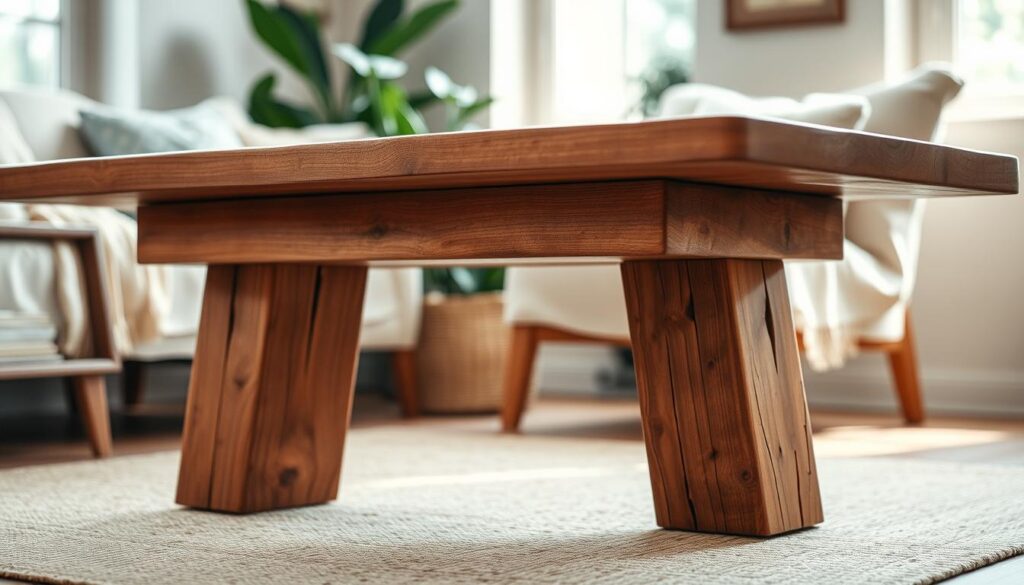
- Prep reclaimed wood by cleaning, sanding, and sealing to protect grain and prevent pests.
- Choose turned styles, fluted details, or pedestal bases to match your design and the tabletop thickness.
- Use joinery and hardware rated for hardwoods to avoid splits during installation.
“Match leg proportion to the top thickness for a stable stance and pleasing silhouette.”
| Wood Type | Best Use | Finish Notes |
|---|---|---|
| Oak | Frequent-use coffee tables; heavy tops | Stain to highlight grain; oil finish for durability |
| Pine | Light-use tables; cottage or casual styles | Paint or light stain; easy to refinish |
| Reclaimed beams & balusters | Statement bases; rustic or mixed styles | Clean, seal, and stabilize; keep patina for character |
Hairpin Legs and Midcentury Vibes: Easy DIY Wins
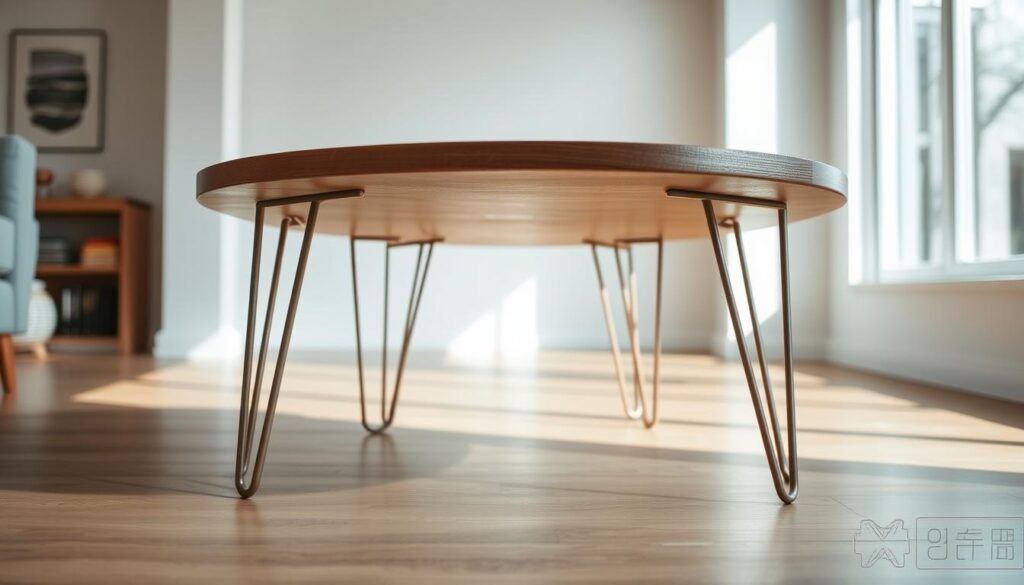
Hairpin supports bring a slim midcentury silhouette that refreshes a worn top in an afternoon. They arrive widely stocked, attach with basic mounting plates, and work with just a few simple tools.
When to pick them: choose hairpin legs when you want a fast, stylish update that needs minimal tools and straightforward diy steps. Match the metal gauge to the tabletop size so your coffee table stays sturdy for daily use.
Finish and fit matter. Raw, clear-coated, or colored hairpins change the overall look and pair well with contemporary or vintage tops. Position legs for good knee clearance and traffic flow around seating.
“Hairpin mounts open up space visually while offering surprising strength when sized correctly.”
- Use simple mounting plates to protect the top and speed installation.
- Pick thicker gauges for larger tops and thin gauges for small surfaces.
- Pair midcentury lines with modern finishes to balance style and scale.
| Feature | Best For | Notes |
|---|---|---|
| 3/8″ steel hairpins | Small to medium table tops | Lightweight look; moderate load |
| 1/2″ steel hairpins | Large coffee table tops | Higher load capacity; stable stance |
| Powder-coated finish | High-traffic rooms | Scratch-resistant; color options |
Industrial Pipe and Mixed-Metal Legs for Loft-Style Decor
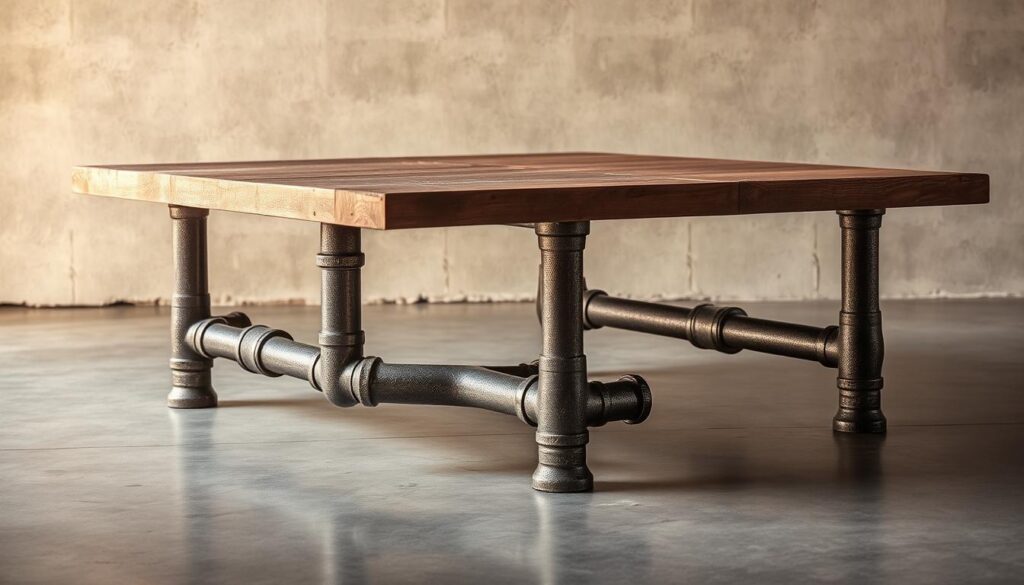
Industrial pipe frames give loft rooms a bold, engineered silhouette that handles heavy tops with ease.
X-shaped or cross-braced pipe supports anchor large tabletops while keeping the stance rigid and sculptural. Configure threaded flanges and stiff crossbars to spread load across a wide footprint.
Mix black steel with copper accents to add intentional contrast against a warm wood tabletop. Patinated copper brings warm highlights that balance matte metal finishes and modern decor.
- Cut and deburr pipe ends, then tighten fittings for a secure connection and long life.
- Place pads under flanges to protect floors and confirm all flanges align so the furniture sits level.
- Choose clear coat, matte black paint, or a sealed patina for wear resistance that matches your design.
“Cross-braced frames deliver both visual weight and practical support for heavy tops.”
| Feature | Best Use | Notes |
|---|---|---|
| X-shaped pipe base | Large, heavy tabletops | High rigidity; industrial aesthetic |
| Mixed-metal finish | Warm wood tops | Copper accents for contrast; seal to prevent tarnish |
| Threaded flange system | Modular assembly | Easy tightening; add floor pads for protection |
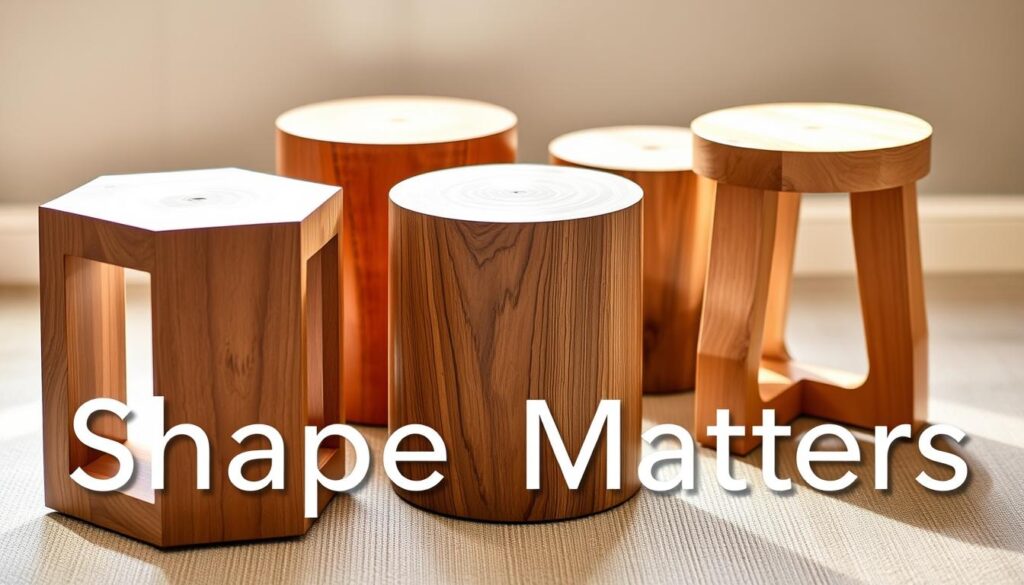
Shape Matters: Table Legs for Round, Square, and Rectangle Coffee Tables
The base shape you pick changes how people move around the piece and how the room feels.
Round surfaces benefit from Uzar metal bases or nested sets that expand function without blocking flow. Uzar frames keep sightlines open and let you slide seating close in tight rooms.
Square layouts work well with Faras, Summa Spider, or Norah supports. These centerset designs create balanced sightlines and anchor seating around a focal point.
For rectangular tops, clear acrylic supports offer a modern balance. Acrylic keeps the visual footprint light so the top and surrounding furniture stay the focus.
- Match base geometry to the table shape so movement feels natural in your living room.
- Verify overhang and setback so supports don’t block seating or traffic patterns.
- Coordinate styles and finishes so the base unifies other furniture and highlights the design.
- Use proportion rules to support both weight and the visual mass of the top.
- Run simple installation checks so the piece sits level and secure regardless of shape.
| Top Shape | Recommended Base | Practical Benefit |
|---|---|---|
| Round | Uzar / Nested sets | Improves flow; flexible surface area |
| Square | Faras / Summa Spider / Norah | Centers seating; balanced sightlines |
| Rectangle | Clear acrylic supports | Lightens visual weight; modern look |
Pairing Legs with Burl Wood and Specialty Tabletops
Burl slabs carry dramatic grain, so pair them with a restrained base that lets the wood sing.
Minimal metal frames like Xeni, Yami, and Wishbone keep focus on the burl while providing strong support. Curva and Uzar work when you want softer curves or a bolder architectural stance.
Protect the slab and pick placement
Check mounting plates and bolt patterns before you commit. Use full-length plates or stepped brackets when the top is thin. That prevents stress points and preserves natural edges.
Balance contrast by using dark metal under a lighter burl. This highlights grain without overpowering the look. Seal the tabletop and coat metal with a protective finish for day-to-day wear.
- Verify hardware compatibility and weight distribution for the unique slab.
- Decide leg placement to preserve live edges and emphasize silhouette.
- Compare sourcing and lead times—burl tops and select metal table legs can be limited and costly.
| Match | Best For | Notes |
|---|---|---|
| Xeni / Yami / Wishbone | Minimal, high-contrast look | Strong support; low visual weight |
| Curva / Uzar | Softer curves or bold architecture | Pairs with irregular edges; more presence |
| Protective finish | All burl tops | Prevents scratches and heat marks |
Tip: confirm pricing and taxes at purchase—rare burl pieces often carry extra lead time and fees.
DIY Coffee Table Legs Ideas: Creative Ways To Customize Your Build
Try pairing warm wood posts with slim metal collars for a look that reads both modern and timeless. Mixing materials—wood with brass or matte black accents—is a strong 2025-forward trend that lifts simple furniture into refined decor.
Personalize with finish. Paint, stain, or stenciling let you match the table to room tones. Use a durable topcoat so the surface resists daily coffee-table use.
Mix materials: wood plus brass accents for 2025-forward style
You’ll combine solid wood uprights with brass collars or matte black mounts to create a custom base. Select hardware that fits the wood species and load requirements so the piece stays safe and stable.
Paint, stain, and stenciling tips to personalize furniture legs
Start with unfinished parts to control color and sheen while keeping costs low. Test small samples against your top and decor before committing to a full finish.
Small-space strategy: acrylic and open-frame legs to “lighten” the room
Open-frame bases and clear acrylic supports reduce the visual footprint. They preserve sightlines and make compact spaces feel larger without sacrificing stability.
- Plan a finishing schedule: allow full cure time before regular use.
- Match materials structurally when mixing metals and wood to avoid stress points.
- Place legs symmetrically for balance from every viewing angle.
| Goal | Recommended Approach | Note |
|---|---|---|
| Trend-forward look | Wood + brass collars | Use sealed brass for longevity |
| Budget personalization | Unfinished parts, paint/stencil | Test samples; use durable finish |
| Small room | Clear acrylic or open frames | Keeps visual space light |
Build It Right: Height, Mounting Plates, and Rock-Solid Attachment
Start by deciding the finished height you need; a small change can make a big difference in comfort and sightlines. Standard heights run 16–18 inches, while ADA guidance for public spaces favors 17–19 inches. Add the tabletop thickness to the leg length so the final surface sits in the ergonomic sweet spot.
Standard heights and accounting for tabletop thickness
Measure twice and include top material in your math. Thick slabs need shorter legs; thin tops need extra backing or plates so fasteners hold without splitting.
Mounting hardware: angled brackets, full-length plates, and load ratings
Choose angled brackets for bolt-on convenience and full-length plates when the top is thin or reclaimed. Check manufacturer load ratings for any metal table or steel component before you commit.
Stability checks: shims, felt pads, and floor protection in busy homes
Use shims to remove wobble, and add felt or rubber pads to protect floors. Tighten fasteners on a regular schedule so the furniture stays solid over time.
“Pre-drill, measure again, and pick the right tools so connections stay tight without damage.”
- Reinforce thin or recycled tops with support blocks or full-length plates.
- Confirm knee clearance and remote reach before final mounting.
- Follow safe-handling practices during installation to protect the finish on both the top and the base.
| Check | Recommended Action | Why it matters |
|---|---|---|
| Final height | Add tabletop thickness to leg length | Ensures ergonomic use and visual balance |
| Mounting hardware | Angled brackets or full plates; verify load rating | Prevents pullout and increases longevity |
| Stability & floor | Shims, felt pads, periodic tightening | Eliminates wobble and protects floors in high-traffic rooms |
Smart Sourcing in the United States: Where to Buy and What to Look For
Start locally and expand online—combining neighborhood salvage yards with e-commerce gives the best selection for parts and reclaimed elements.
Unfinished legs save money and let you pick finishes that match your home and interior goals. You’ll also find branded metal table legs from makers that share drawings and live chat to answer fit questions.
- Compare sources: online marketplaces, local hardware stores, and salvage yards for rare materials and fair prices.
- Check specs: verify load ratings, materials, and included hardware before purchase so your furniture performs safely.
- Health & sustainability: prefer low-VOC or LEED/GreenGuard-certified finishes to reduce emissions in living spaces.
- Logistics: confirm shipping times, return policies, and whether drawings or mounting guides are provided to save time on projects.
“Bring photos and exact measurements to the store—visuals speed decisions and prevent costly mismatches.”
Also consider ADA guidance for public-facing pieces and document vendor warranties so the final choice meets both aesthetic and practical needs.
Conclusion
A strong base can remake a simple top into a practical centerpiece that fits how you live.
You’ve seen how the right table legs transform a coffee table into a lasting piece for your living space. Follow trends like mixed-material accents and clear acrylic supports when you want visual lightness without sacrificing strength.
Keep standards in mind: aim for about 16–18 inches of finished height and match the base style to the top. Use proper hardware and check load ratings so each leg attachment stays secure over time.
Final note: plan placement, pair metal or wood finishes to the room’s styles, and run a short stability check after installation. These small steps make the project feel finished and keep the piece performing day after day.